
Five stars on a hotel’s website promise a great deal, but travellers who book luxury hotels in the UK regularly will tell you the star rating is only the beginning. True luxury is quieter than marble lobbies and gold taps: it is a room that sleeps beautifully, staff who solve problems before you notice them and a hundred small details handled without fuss. This guide explains what five-star service really includes, and how to tell a genuinely luxurious hotel from one that is merely expensive.
What Five Stars Really Mean in the UK
In the UK, star ratings are awarded by independent inspectors who assess facilities and quality across the whole stay, from booking to checkout. Five stars indicate exceptional quality, but the system measures standards, not character. A grand country house hotel, a city boutique property and a coastal resort can all hold five stars while offering completely different experiences, which is why choosing between luxury hotels in the UK starts with the kind of trip you want, not the badge on the door.
It also helps to know what the rating does not guarantee. It will not tell you whether the spa books up weeks ahead, whether the best rooms face a noisy street, or whether the restaurant is a destination in its own right or an afterthought. Those are the details this guide helps you check.
The Room: Space, Quiet and Sleep Quality
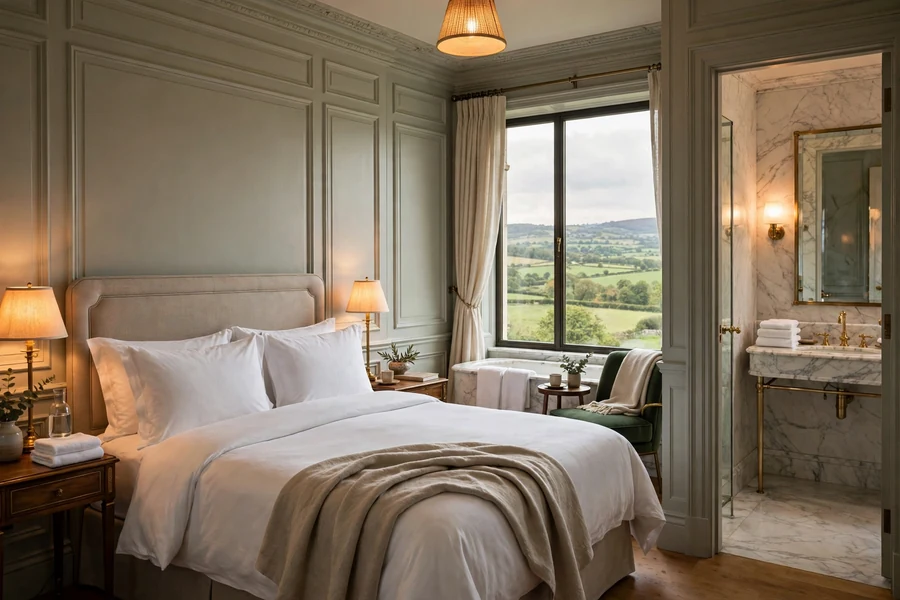
The heart of luxury is the room itself, and the first measure is sleep. Expect a large, properly made bed with quality linen, blackout curtains that actually meet in the middle, and sound insulation that keeps corridor noise where it belongs. Rooms in genuine five-star properties are generously sized, with a seating area that is more than a single chair and a bathroom you would happily spend time in: a deep bath, a walk-in shower with real water pressure, heated floors in winter and towels that feel like they belong to the hotel rather than a launderette.
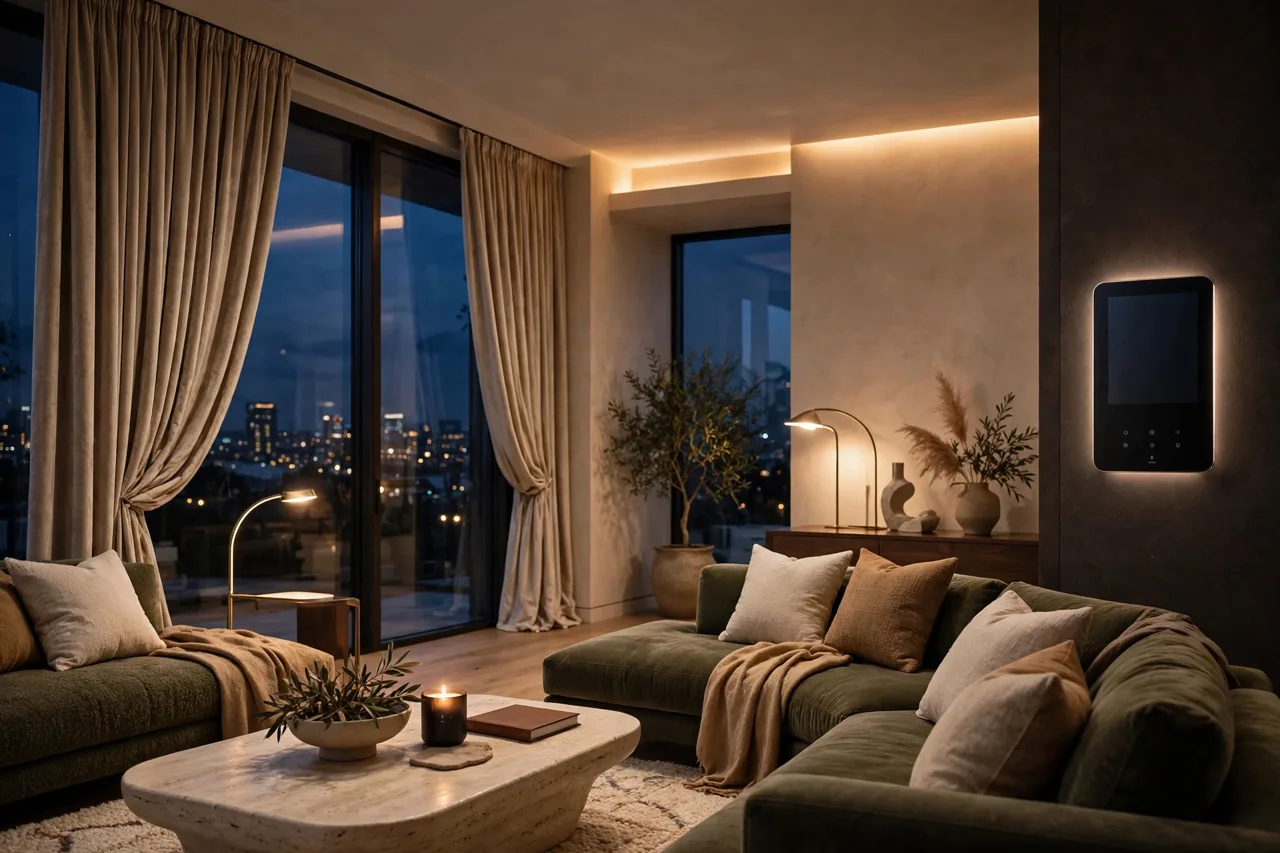
Technology should work invisibly. Lighting you can dim without a puzzle, sockets where you actually need them, fast Wi-Fi and a television that connects to your own accounts are now baseline expectations. The same thinking that guides our advice on smart home technology for luxury homes applies in the best suites: technology that serves the guest quietly, rather than showing off.
Service That Anticipates Rather Than Reacts
Anyone can train staff to smile. Luxury service is anticipatory: the concierge who has already booked the restaurant you mentioned in passing, the housekeeper who notices you use extra pillows and provides them the next night without being asked, the doorman who has a car ready in the rain. Staff-to-guest ratios are higher in true luxury hotels in the UK, and it shows in the small economics of attention: your name is remembered, your preferences are recorded and your problems are owned by the first person you tell.
Turndown service, a proper concierge desk, 24-hour room service with a menu worth ordering from and staff empowered to fix things on the spot are reliable markers. If a hotel’s team can arrange the theatre tickets, the private transfer and the impossible dinner reservation in one phone call, you are in the right place. It is the same standard of care that premium car owners expect from the services in our guide to car servicing as a premium experience: expertise that removes effort from the customer entirely.
Dining, Spas and the Details in Between
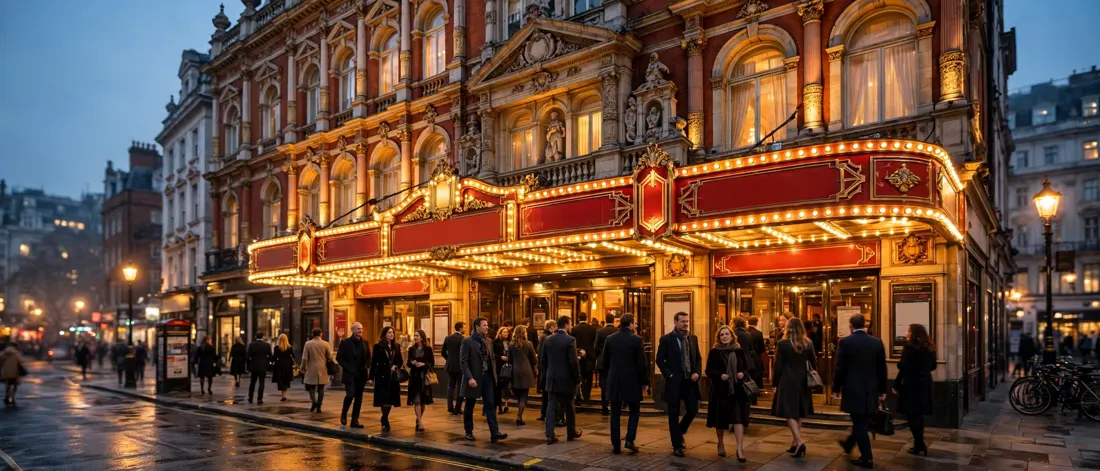
Food is where many luxury hotels justify their rates. Breakfast should be an event in itself: cooked to order, unhurried and generous. The best properties have restaurants people book without staying the night, bars with serious cocktail programmes and afternoon teas that locals treat as an occasion. If you are planning a trip around culture as well as comfort, pairing a great hotel with an evening out using our guide to planning a London theatre trip is a combination that rarely disappoints.
Spas and wellness facilities separate the good from the great. Look for treatment lists with real depth, thermal suites rather than a token sauna, and pools designed for lengths rather than photographs. In-room details matter too: fresh flowers, quality toiletries from houses such as those in our guide to luxury perfume houses, a minibar stocked with local produce and, in the finest rooms, a welcome that reflects the place, such as estate honey at a country house or shortbread at a Scottish lodge.
Location as Part of the Luxury
A five-star hotel in the wrong location is a compromise, however polished the service. In cities, luxury means being close enough to walk to what you came for, while staying on a street quiet enough to sleep. In the countryside, it means grounds: gardens, parkland, a lake or a stretch of coast that makes the hotel a destination in itself. Many travellers build a whole itinerary around two or three great properties, and our guide to planning a luxury driving tour of the UK shows how to link them into a route worth savouring.
For shorter escapes, the same principles apply on a smaller scale. Our guide to planning a luxury weekend break in the UK covers how to judge a property when you only have two nights and every detail counts double.
How to Choose the Right Luxury Hotel for Your Trip
Start with the purpose of the trip. A celebration calls for occasion and theatre; a rest calls for quiet, space and a spa; a city break calls for location and a concierge who can open doors. Then read recent reviews for patterns about sleep, service recovery and breakfast, the three things guests consistently remember. Check what is actually included in the rate, because parking, spa access and even breakfast are sometimes extras at this level.
Value at this level is rarely about finding the lowest rate. It is about paying for the stay you actually want: the quiet room at the back of the building, the spa slot at the hour you prefer, the table by the window. Shoulder seasons, Sunday nights and two-night packages often bring the best rooms within reach of a one-night budget in peak season, and loyalty programmes at the major groups can add upgrades and late checkout without extra cost. A short phone call before booking, asking what the hotel would recommend for your occasion, costs nothing and frequently improves the stay more than a discount would.
Finally, book directly and say what the stay is for. Luxury hotels in the UK reserve their best rooms and their goodwill for direct guests, and a note that you are celebrating, resting or visiting for a particular event gives the team something to work with. Five stars may get a hotel onto your shortlist, but it is the anticipation of your needs, handled quietly and personally, that earns the word luxury.