
Grand touring is the oldest idea in motoring luxury: a powerful, comfortable car, a beautiful road, and days arranged so that the driving is the holiday rather than the commute between sights. A well-planned luxury driving tour of the UK plays to everything Britain does well: short distances between dramatically different landscapes, country house hotels that welcome muddy boots and polished coupes alike, and roads that reward a fine chassis without demanding heroics. This guide explains how to choose a route, pace the days and prepare a prestige car so the tour feels effortless from the first mile to the last.
What makes a luxury driving tour different
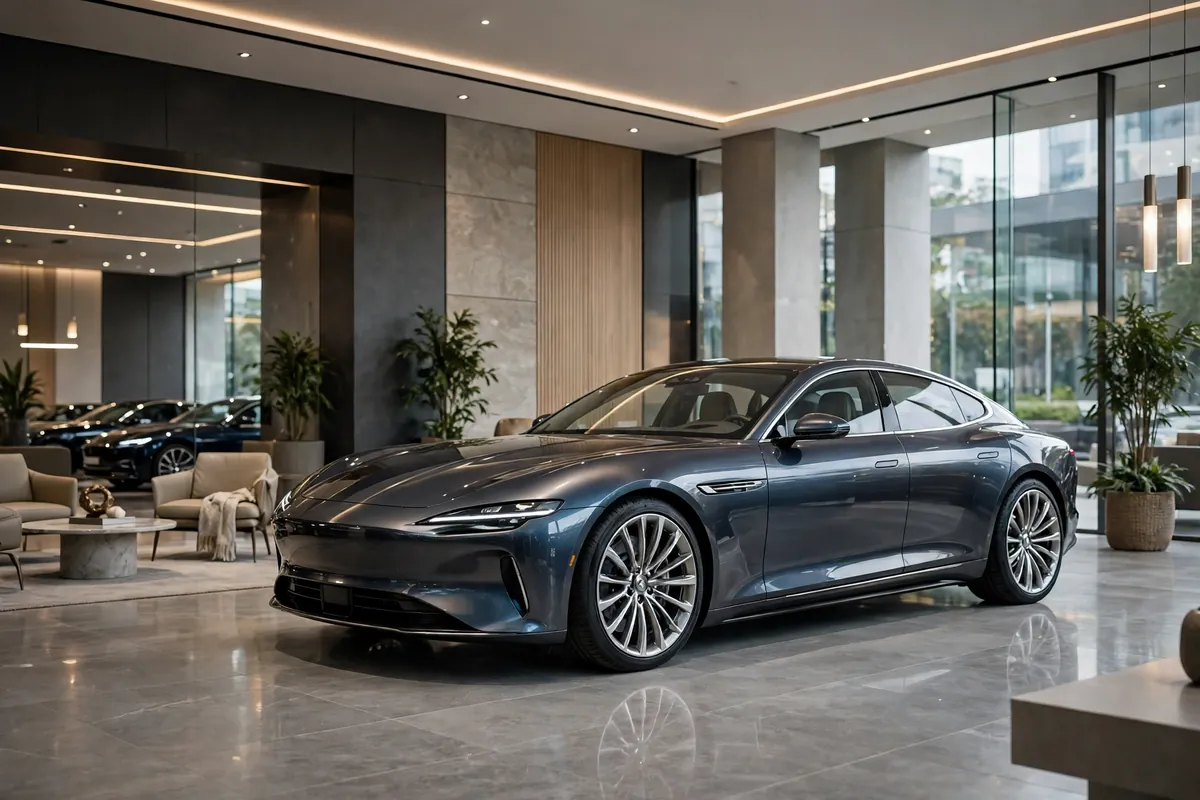
Any road trip covers ground. A luxury driving tour is designed around pleasure per mile: fewer motorway hours, more roads chosen for their scenery and rhythm, and stops selected for food, gardens, galleries and rest rather than speed. The car matters too. A grand tourer earns its name over distance, blending performance with refinement, supportive seats, a quiet cabin and luggage space for more than a weekend bag. Just as important is the mindset: the tour is not a race between hotels. Arriving unhurried, with the car as fresh as the driver, is the whole point.
Choosing your route: classic British touring roads
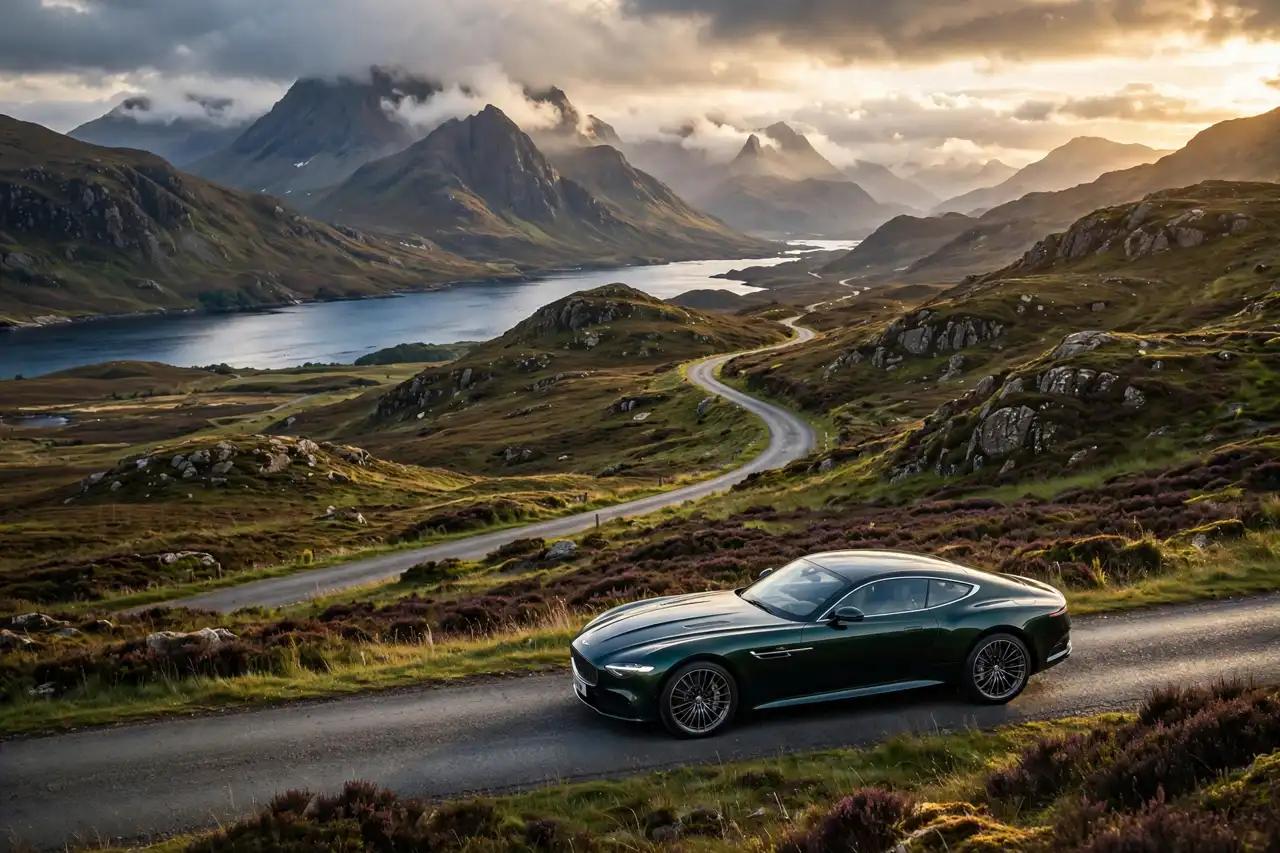
Scotland offers the grandest canvas. The North Coast 500 loops around the Highlands through scenery that changes from sea lochs to moorland in a single afternoon, and it pairs naturally with a slower return through the Great Glen. In England, a Cotswolds circuit delivers honey-coloured villages, gardens and some of the country’s best country hotels within easy reach of London. Eryri, the Snowdonia national park in Wales, threads mountain passes between slate-grey lakes, while the Lake District rewards those who tour outside peak season, when its passes and lakeside roads can be enjoyed at a gentler pace. A fine tour often strings two regions together with one deliberately easy day between them, and builds in a rest day with no driving at all somewhere in the middle.
Pacing the days: miles, stops and stays
The classic mistake is over-ambition. Two hundred miles on Highland or Welsh roads is a full and satisfying day, not a morning’s work, and the best tours rarely exceed three or four hours of driving before a proper stop. Plan fuel and charging with the same care as the route itself: rural filling stations keep rural hours, and prestige cars on premium fuel or hybrids and EVs on tour benefit from knowing where the next stop is. Our guide to hybrid servicing for luxury cars explains the checks that keep a hybrid tourer untroubled, while drivers of full electric models will find the same ground covered in our article on EV servicing for luxury electric cars. Book hotels with secure parking, and favour places where dinner is in-house: after a day’s driving, the luxury of not getting back in the car is real.
Preparing a prestige car for a long tour
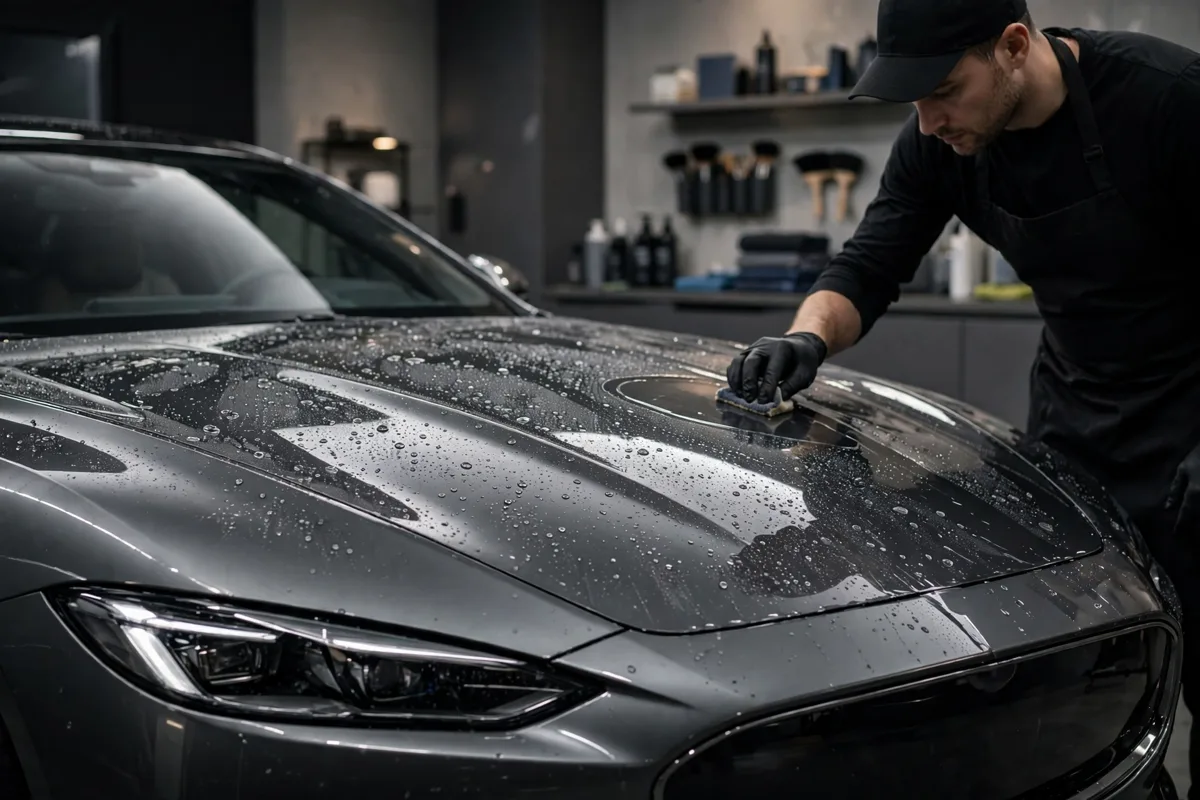
A grand tour is the worst possible setting for a small fault to announce itself, so preparation begins a fortnight before departure. A professional pre-tour inspection should cover tyres, brakes, fluids, battery and lights, and our guide to vehicle inspection for premium cars sets out what a thorough check includes. Tyres deserve special attention: tread depth, even wear and correct pressures transform both safety and ride quality over long distances, and our tyre services guide for premium cars explains the standards to insist on. Precise steering geometry matters just as much on sweeping A-roads, which is why our article on wheel alignment for precision handling belongs on the pre-tour reading list. Finally, assemble the quiet essentials: a warning triangle, a high-visibility jacket, the locking wheel nut key, a tyre inflator and the car’s handbook. Luxury touring goes best when nothing is left to improvisation except the weather. The foundation beneath all of it is the standard of care described in our overview of auto services for premium and luxury vehicle care.
Packing and travelling well
How you pack shapes how the car feels. Soft bags conform to a coupe’s boot far better than hard cases, and distributing weight low and centrally keeps the handling that makes the car enjoyable. Keep the cabin clear of clutter: a grand tourer should feel like a well-kept drawing room, not a luggage rack. A small kit within reach earns its place on every tour, including a microfibre cloth and glass cleaner for the windscreen, a bottle of water, and a proper paper map of the region. Navigation systems are excellent until a valley takes the signal; the map is also an invitation to spot the unplanned detour, which is often where a tour makes its best memories. Build slack into every day for the same reason. A distillery that invites you in, a beach that appears around a bend, a village bakery with a queue of locals: these cannot be scheduled, only allowed for. Travelling well also means travelling considerately, slowing through villages, giving cyclists and horse riders room, and remembering that the roads you are enjoying are other people’s everyday routes. The warmth of the welcome grand touring receives in rural Britain depends on exactly that courtesy.
Choosing when to go
Timing shapes a tour as much as the route does. Late spring brings long evenings, quiet roads and gardens at their best, while early autumn offers golden light, harvest menus and, once schools return, noticeably emptier hotels. High summer in the Highlands and Lakes is glorious but busy, and single-track roads are more relaxing when you are not meeting a motorhome every half mile. Winter touring has its own austere charm in the right car, with log fires waiting at each stop, though short days demand shorter driving legs and a flexible plan when the weather turns. Whatever the season, booking the key hotels first and letting the route form around them produces calmer tours than fixing every mile in advance and racing to keep up with an itinerary.
The art of the journey home
Every tour ends, and the final day deserves the same design as the first. Avoid finishing with a marathon motorway slog that overwrites a week of pleasure; instead, route home through one last good road and a long lunch. Once back, a wash, a check of the tyres and a note of anything the car asked for during the trip will keep it ready for the next departure, because with grand touring there is almost always a next one. The roads are waiting, the car was built for exactly this, and the only remaining question is which coastline, pass or valley you point it at first.