
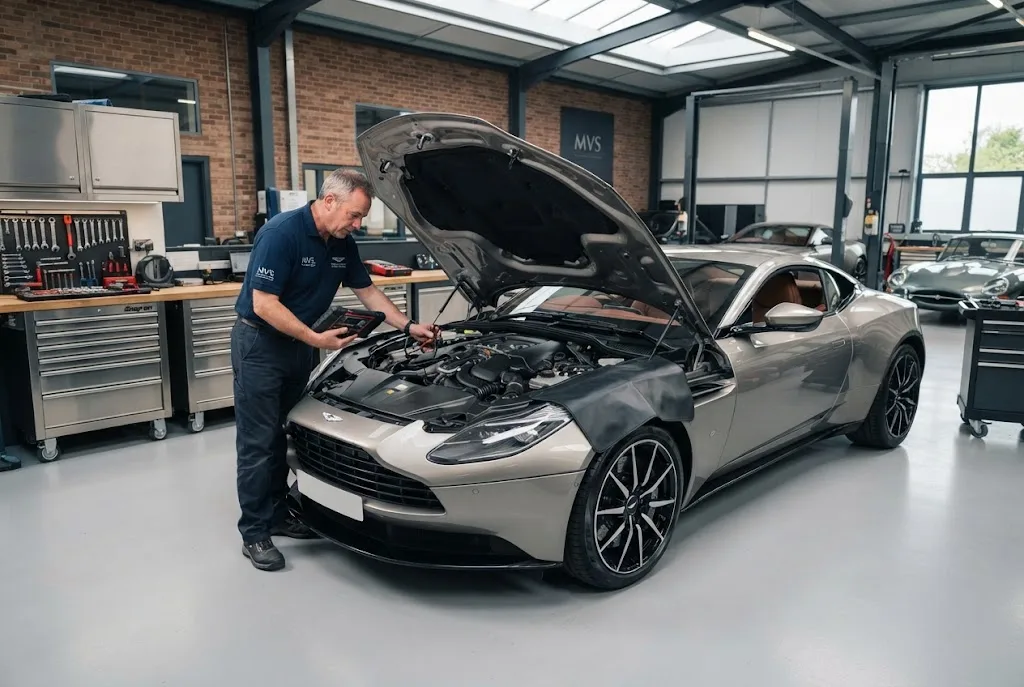

A thorough vehicle inspection can be one of the most valuable steps when buying a premium or luxury car in the UK. A prestige vehicle may look immaculate in photographs and still have mechanical, cosmetic or ownership-related issues that are not immediately obvious. An inspection gives a buyer an opportunity to assess the vehicle’s condition before committing to a significant purchase.
For expensive used cars, the assessment should go beyond a quick visual check. Buyers should consider the mechanical condition, bodywork, tyres, brakes, electronics, service history, mileage evidence and ownership documentation. When appropriate, a specialist inspection can provide an additional layer of confidence, particularly when buying a performance car, luxury SUV, executive vehicle or collector model.
Why a Vehicle Inspection Matters for Premium Cars
A vehicle inspection can reveal issues that may not be apparent during a short test drive. Premium vehicles often contain complex mechanical and electronic systems, meaning a fault may require specialist equipment or experience to identify.
The financial consequences of overlooking a problem can also be greater with a luxury vehicle. A worn suspension component, advanced electronic fault, damaged alloy wheel or transmission issue may cost considerably more to address than an equivalent problem on a simpler vehicle.
An inspection is therefore not simply about finding faults. It helps a buyer understand the condition of the vehicle and decide whether the asking price appears reasonable in light of its current state.
What Is Included in a Vehicle Inspection?
The exact scope of an inspection varies between providers, but a comprehensive assessment can examine several areas of the vehicle.
- Exterior bodywork and paint condition
- Signs of previous accident damage or repairs
- Tyres, wheels and visible suspension components
- Braking components where accessible
- Engine bay and fluid levels
- Visible signs of leaks or corrosion
- Interior condition and equipment
- Warning lights and electronic systems
- Diagnostic fault information where appropriate
- Service and maintenance records
- Mileage and ownership documentation
- General roadworthiness and condition
The level of examination depends on whether the inspection is a basic condition check, a mechanical assessment or a specialist pre-purchase inspection. Buyers should establish what is actually included before booking.
Pre-Purchase Inspection for a Used Luxury Vehicle
A pre-purchase inspection is particularly useful when buying a used prestige vehicle privately or from a seller who is not providing an independent assessment.
The inspection should ideally take place before the buyer becomes financially committed to the transaction. If significant problems are discovered, the buyer can reconsider the purchase, negotiate on price or ask the seller to address specific issues.
Timing matters because an inspection performed after the purchase may provide useful information about the vehicle’s condition but does not give the buyer the same opportunity to make an informed purchasing decision.
When possible, choose an independent specialist rather than relying entirely on the seller’s description of the vehicle. An independent assessment can provide a more objective view of condition.
Luxury Vehicle Assessment: Mechanical Condition
A luxury vehicle assessment should consider the mechanical systems that are relevant to the specific model. A technician may look for evidence of leaks, abnormal wear, warning lights, unusual noises or other signs of developing problems.
The engine is only one part of the assessment. Transmission behaviour, steering, suspension, brakes and drivetrain components can also have a major influence on a premium vehicle’s condition and future running costs.
Modern luxury vehicles may also have advanced driver-assistance features, electronic suspension, adaptive lighting, parking systems and extensive infotainment equipment. A specialist inspection can help identify faults that might otherwise be overlooked during a casual viewing.
Checking the Vehicle’s Service History
Service history can provide important evidence about how a vehicle has been maintained. Look for documented servicing, invoices, inspection records and evidence that maintenance was carried out at appropriate intervals.
A complete service history does not automatically guarantee that a vehicle is problem-free. However, missing records can make it more difficult to establish what maintenance has been completed and when.
Buyers should compare the recorded mileage across available documents and look for inconsistencies. Service invoices can also provide useful information about components that have already been replaced or repairs that have previously been carried out.
For premium vehicles, maintenance history can be especially valuable because it may reveal whether expensive scheduled work has already been completed. If major maintenance is approaching, that potential cost should be considered when evaluating the vehicle.
Ownership Verification Before Buying
Ownership verification is another important part of the buying process. The person selling the vehicle should be able to provide appropriate documentation and information about the car’s history.
Buyers should compare the vehicle identification information with the relevant documentation and make sure the details are consistent. If information supplied by the seller does not match the vehicle or available records, pause the transaction until the discrepancy is explained.
It is also sensible to establish whether the seller is the registered keeper and whether there are circumstances that could affect the transaction. Buyers should never feel pressured to complete a purchase before they are satisfied with the documentation.
Vehicle Provenance and Why It Matters
Vehicle provenance refers broadly to the documented history and background of a vehicle. For ordinary used cars, this can help establish ownership and maintenance history. For rare, high-value or collectible vehicles, provenance can become even more significant.
A premium vehicle with well-documented history may be easier to assess than one with incomplete records. For collector cars, documentation can include previous ownership information, restoration records, specialist invoices, photographs and other evidence connected with the vehicle’s history.
Provenance should not be confused with mechanical condition. A vehicle can have an impressive history and still require substantial mechanical work. Both elements need to be considered separately.
Signs of Previous Accident Damage
Bodywork should be inspected carefully for signs that panels have been repaired or replaced. Differences in paint finish, inconsistent panel gaps, unusual overspray or mismatched trim can warrant further investigation.
However, visual inspection alone cannot identify every form of previous damage. Some repairs may have been completed to a high standard and can be difficult to detect without specialist equipment or documentation.
If accident history is disclosed or suspected, buyers should ask for supporting documentation and consider whether an independent inspection is appropriate before proceeding.
Inspecting Tyres, Wheels and Brakes
Tyres and wheels deserve particular attention on premium vehicles. Large alloy wheels can be expensive to replace, while low-profile tyres may be more susceptible to visible damage from potholes and kerbs.
Inspect tread condition, tyre age where relevant, sidewalls and wear patterns. Uneven wear can sometimes indicate alignment, suspension or other mechanical issues rather than simply indicating that the tyres are approaching replacement.
Brake condition should also be considered. Performance and luxury vehicles may use larger or more sophisticated braking systems, making replacement components relatively expensive.
For broader guidance on premium vehicle tyre maintenance, buyers can also explore our tyre services guide.
Specialist Inspections for High-Value Vehicles
Specialist inspections can be particularly valuable when purchasing a vehicle with unusual specifications, high performance or substantial value. A technician familiar with the relevant manufacturer may recognise model-specific issues that a general inspection could miss.
For example, an inspection of a performance vehicle may need to pay closer attention to suspension components, braking systems, drivetrain condition and evidence of track use. A luxury SUV may require greater attention to electronic systems, air suspension and four-wheel-drive components.
The more specialised the vehicle, the more important it can be to select an inspector with appropriate knowledge of that type of car.
What to Do With the Inspection Report
An inspection report should not simply be filed away after the assessment. Use it to understand the vehicle’s current condition and potential future expenses.
Separate findings into immediate concerns, recommended maintenance and minor cosmetic observations. Safety-related or mechanically significant issues should receive the greatest attention.
If the inspection identifies substantial work, obtain realistic repair estimates before deciding whether to proceed. You can then compare the expected repair costs with the asking price and the value of comparable vehicles.
Using an Inspection When Negotiating Price
An independent inspection can provide useful evidence during price negotiations. If the assessment identifies genuine mechanical or cosmetic issues, a buyer can discuss those findings with the seller rather than relying on general assumptions about the vehicle.
Not every inspection finding should result in a price reduction. Used vehicles naturally have some wear, particularly when they have accumulated significant mileage. The key is to distinguish normal age-related condition from problems that could require meaningful expenditure.
A professional report can make that distinction easier and support a more informed conversation between buyer and seller.
Vehicle Inspection and Long-Term Ownership Costs
The purchase price of a premium vehicle is only one part of its overall cost. Servicing, tyres, brakes, insurance, taxation, fuel and unexpected repairs can all influence affordability.
That is why an inspection can be particularly useful before purchasing an older luxury car. Identifying upcoming maintenance requirements allows the buyer to build a more realistic ownership budget.
Where unexpected repair costs arise after purchase, owners may also investigate options such as repair finance, subject to affordability and the terms of the finance agreement.
Vehicle Inspection Checklist for Buyers
Before completing a premium vehicle purchase, consider the following questions:
- Has the vehicle been independently inspected?
- Does the service history appear complete and consistent?
- Does the recorded mileage match the available documentation?
- Are the tyres and wheels in good condition?
- Are there signs of previous accident repairs?
- Do the vehicle identification details match the documentation?
- Are there warning lights or diagnostic faults?
- Are major maintenance items due soon?
- Does the seller provide satisfactory ownership documentation?
- Have expected repair and maintenance costs been considered?
Final Thoughts on Vehicle Inspection
A professional vehicle inspection can give buyers valuable insight into the condition and history of a premium car before they commit to ownership. It can identify mechanical concerns, highlight upcoming maintenance requirements and provide a clearer picture of whether the asking price reflects the vehicle’s actual condition.
For luxury and performance cars, the inspection should ideally be matched to the vehicle. A specialist assessment may be worthwhile when the car has complex technology, unusual specifications, significant value or a history that requires closer investigation.
Ultimately, the strongest buying decision combines condition, documentation, provenance and affordability. Taking time to inspect a prestige vehicle properly can help reduce unpleasant surprises and support more confident long-term ownership.
