
Luxury perfume houses create some of the most distinctive fragrances you can wear. Understanding them changes how you choose scent. Have you ever wondered why one bottle feels like a work of art? Another, however pleasant, may feel made to please everyone. The answer usually lies in the house behind it. This guide introduces luxury perfume houses for UK readers. It will help you explore fine fragrance with confidence.
First, it explains what a perfume house actually is. Next, you will see how heritage, niche and artisanal houses differ. The guide also compares them with mainstream fragrance brands. Finally, it explains how to discover scents that feel personal. You do not need expertise to begin. No single style counts as the best. The aim is simpler. You will gain a clear map of a world that can seem exclusive. Then you can explore it at your own pace.
What Are Luxury Perfume Houses?
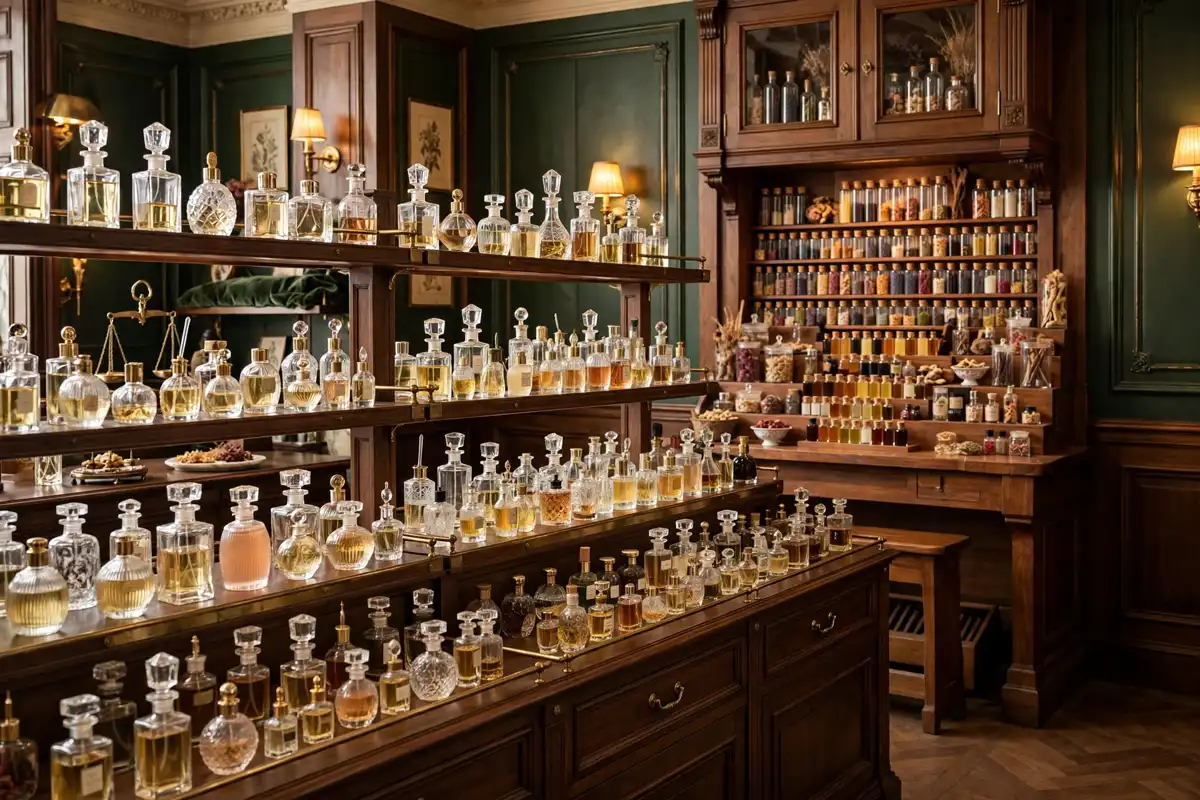
A perfume house is a maker devoted mainly to creating fragrance. Some houses focus almost entirely on perfume. They build their reputation scent by scent, over many years. Others began in related crafts, such as apothecary or grooming. Fragrance later became their defining work. What unites luxury perfume houses is intent. Perfume is not an afterthought for them. Nor is it a seasonal accessory. It is the centre of what they do.
That focus shows in the finished scent. A house usually has a recognisable character. That character runs through its whole collection. Individual fragrances may still smell very different. One house may favour bright, citrus-led compositions. Another may lean towards woods, resins or soft florals. In short, learning that character is part of the pleasure. It helps you find houses whose style suits your taste. You no longer chase individual bottles at random.
What Makes Luxury Fragrance Houses Different?
Luxury fragrance houses differ from mainstream producers in their overall approach. No single ingredient explains the difference. The emphasis falls on balance and quality of composition. It also falls on the skill of the perfumer. Each scent should carry a clear creative idea. A fragrance should develop on the skin over time. For example, it opens with lighter notes first. Then it moves through its heart. Finally, it settles into a lasting base.
- A clear creative direction, rather than a formula that only follows a trend.
- Careful blending, so no single note shouts without purpose.
- Character, meaning a scent you recognise and remember.
- Presentation that matches the perfume, with bottles treated as part of the experience.
- A smaller, more considered collection, instead of constant new launches.
This does not mean every expensive fragrance is better. A popular scent can also be very well made. Luxury houses simply meet a different standard. Does the perfume have identity and balance? And does it stay in the memory, as well as on the skin?
Heritage Perfume Houses: Tradition You Can Trace
Heritage perfume houses are the long-established names of fragrance. Their value lies in continuity. Many have preserved classic styles of perfumery. They have also maintained archives of earlier compositions. In turn, knowledge has passed from one generation of perfumers to the next. A heritage fragrance often reflects years of refinement.
That tradition brings a particular confidence. Heritage houses excel at polished, balanced compositions. Their scents feel composed, rather than experimental. They make a natural starting point for many readers. Do you enjoy classic florals? Many readers also like elegant citrus colognes or warm amber scents. Heritage houses often serve those tastes especially well. However, tradition does not mean old-fashioned here. It means a house knows its own history. It builds on that history, instead of starting again at each launch.
Niche Perfume Houses: Fragrance With a Point of View
Niche perfume houses take a narrower, more focused approach. They do not try to appeal to everyone. Instead, a niche house follows a specific creative vision. It might work with an unusual ingredient. It might explore one family of scents in depth. Or it might create fragrances that feel bold or unconventional.
Niche fragrances can afford to be distinctive. Makers create them for a smaller audience. A niche scent might centre on leather or smoke. It might evoke green leaves, sea air or one flower. That flower might appear in an unexpected way. Not every niche perfume will suit you. That is precisely the point. Discovery is part of the experience. As a result, finding a match can feel deeply rewarding. It beats choosing a scent only because adverts promote it.
How Niche Houses Differ From the Mainstream
The difference is mainly one of intention. Mainstream fragrances aim to please instantly. They target as many people as possible. By contrast, niche creations are more willing to divide opinion. Makers create them first for the idea itself. They also create them for the wearer who will love them. In practice, neither approach is wrong. Knowing which you are buying sets the right expectations.
British Perfume Houses: A Distinctly Local Tradition
British perfume houses deserve a special place here. This guide addresses UK readers, after all. Britain has a long association with perfumery and grooming. It also has deep roots in apothecary crafts, particularly in London. British houses have developed a distinct style over time. Many wearers describe it as understated and crisp. They also call it characterful. Classic colognes belong to that broad tradition. So do lavender and herb-led scents. In addition, tea-like freshness and refined florals belong there too.
Restraint often makes British houses appealing. A British fragrance may not announce itself loudly. Yet it rewards close attention. Over time, it reveals careful detail as it develops on the skin. UK readers also gain a practical pleasure here. They can explore houses rooted in British life and landscape. City grooming culture offers one reference. Country gardens and coastal air offer others. Starting close to home makes an excellent first step. The references feel familiar. The craftsmanship still feels special.
Artisanal Perfume Houses and Exclusive Fragrance Houses
Artisanal perfume houses work on a smaller scale. Their work is more hands-on. An independent perfumer often leads them directly. That perfumer blends, refines and presents the collection personally. Small batches are typical for these houses. Close involvement at every stage is typical too. So is a strong personal signature. An artisanal fragrance can feel intimate. You sense one maker’s idea in its purest form.
Exclusive fragrance houses occupy a related space. Exclusivity should mean limited, considered distribution. It should not mean simply a high price. Nor should it mean a dramatic bottle. The best exclusive houses earn the description. They earn it through quality and individuality. Both types of house teach the same lesson. In essence, luxury means attention. It means attention to ingredients and to blending. Above all, it means attention to the wearer.
Luxury Fragrance Brands and Prestigious Perfume Brands: Understanding the Labels
The language of fragrance can be confusing. Luxury fragrance brands are not always perfume houses in the strict sense. Prestigious perfume brands are not always houses either. A fashion house may release excellent fragrances. A jeweller or beauty brand may do the same. Skilled perfumers often create those fragrances. Yet the brand’s main business lies elsewhere. Of course, those scents can be beautiful and worth wearing. Still, the brand’s relationship with perfumery differs. A house devoted to fragrance alone works differently.
Ask one simple question. Is fragrance the heart of this brand? Or is it one product line among many? The answer does not decide quality alone. It does explain differences in style and direction. In addition, it explains collection size. Specialist brands tend to build deeper collections. They build them around a recognisable identity. Broader luxury brands often reflect a fashion image. They may also follow a seasonal story. Understanding that distinction helps you compare like with like.
How to Judge Quality Before You Buy
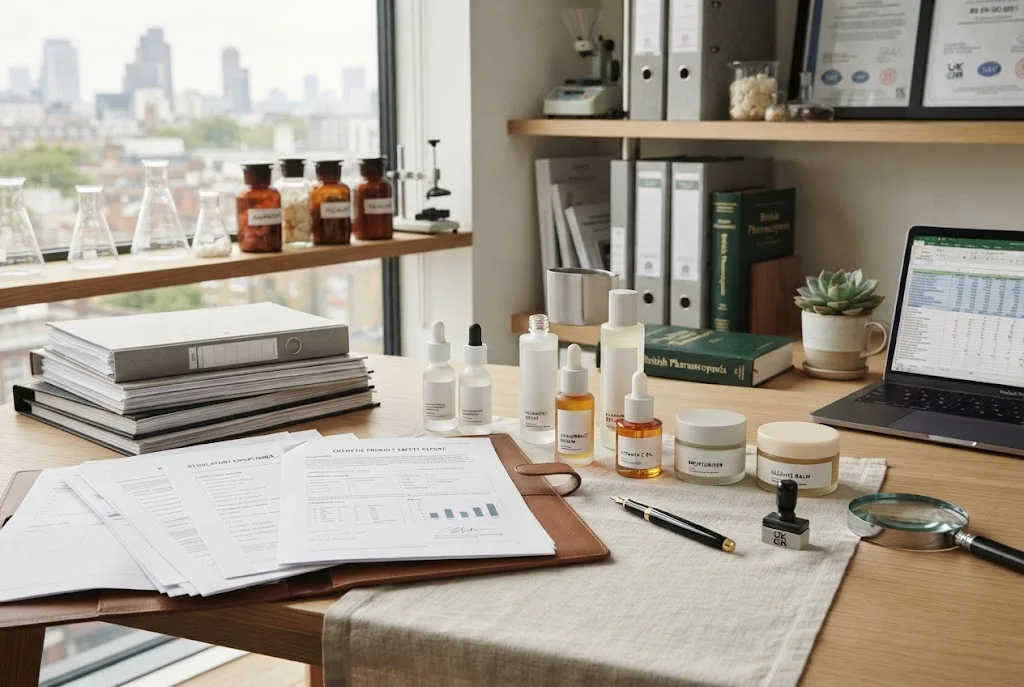
Judge a fragrance first on your own skin. Do not judge it on a card. Nor should you judge it from the bottle. Perfume changes with warmth and time. Wear it for several hours, if you can. Notice how it opens, settles and fades. Check whether you still enjoy its later stages. The base is the part you will live with longest. Clear labelling and honest presentation also matter. Our guide to UK beauty industry regulations explains the rules behind beauty products. Those rules form part of trusting what you buy.
Apply the same care you use when choosing the best beauty products for your routine. Consider what a product aims to do. Check whether it suits you personally. Also check whether its claims match your experience of it. With perfume, resist hype and sample widely. The right fragrance suits your taste. It also suits your occasions and your budget. It need not carry the most famous name.
How to Start Exploring Luxury Perfume Houses
Begin slowly, and let curiosity lead. A few simple habits will make your first steps more enjoyable. They will also make those steps far less costly.
- Start with samples or discovery sets where shops offer them. Live with a scent before you buy a full bottle.
- Try one fragrance at a time on the skin. Give it a full day, not just the first minutes.
- Keep short notes on what you liked or disliked. Use plain words such as fresh, warm, powdery, green or smoky.
- Explore by house, not just by bottle. A house you love makes future choices easier.
- Visit a fragrance counter or specialist shop when you can. Ask questions. Good staff expect curiosity, not expertise.
Above all, trust your own response. Luxury perfume houses offer history, craft and imagination. The variety is remarkable. Heritage houses offer polish. Niche and artisanal makers offer invention. There is no correct favourite, and there is no test to pass. Start with the scents that move you. Learn why they move you. Let your collection reflect your own taste, however small it is. Overall, that matters more than any label. That is what fine fragrance is for.