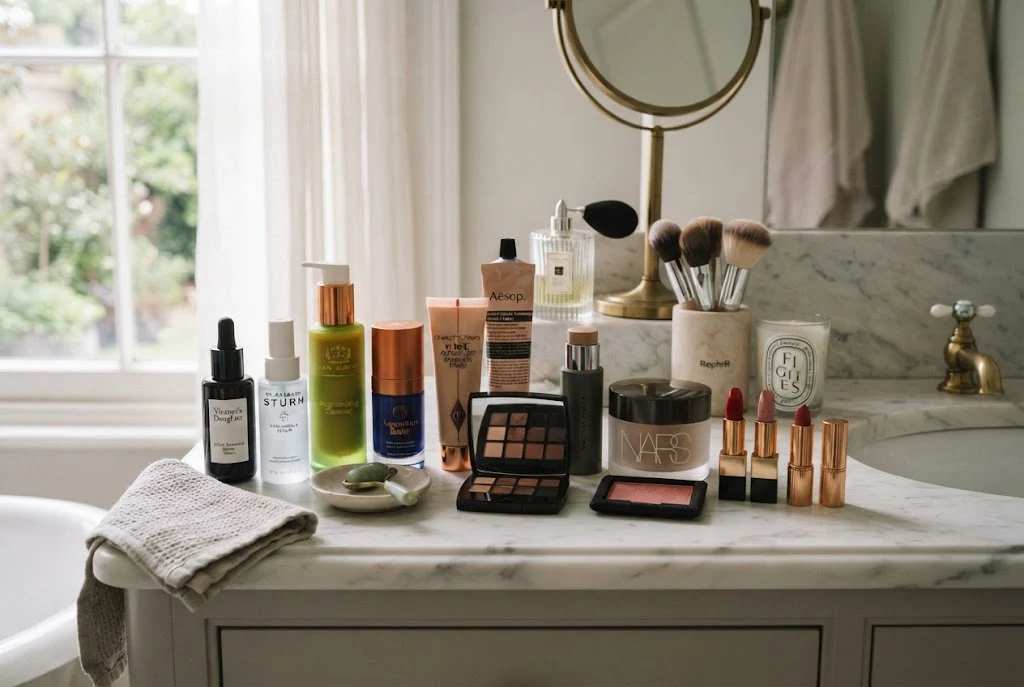

Beauty writing combines creativity, research and clear communication to help readers understand products, routines, trends, brands and the wider beauty world. From magazine features and product reviews to ecommerce descriptions and educational blog posts, effective beauty content needs to be both engaging and useful.
The beauty sector is particularly well suited to content publishing because consumers often research before making a purchase. They may want to understand an ingredient, compare products, learn how to use a particular cosmetic or follow the latest industry developments. Good writing can answer those questions while building trust with an audience.
However, writing about beauty is more than describing attractive products. Strong beauty content considers the reader’s intent, uses accurate information, avoids exaggerated claims and presents recommendations responsibly. For brands and publishers, this approach can support stronger audiences, better search visibility and long-term editorial authority.
What Is Beauty Writing?
Beauty writing is the creation of written content focused on subjects such as skincare, makeup, haircare, fragrance, personal care, beauty treatments, trends, products and the beauty industry itself.
The format can vary considerably. A short product description has a different purpose from a detailed skincare guide, while a beauty news article requires a different approach from a personal opinion piece.
Common forms include:
- Beauty blog articles
- Product reviews
- Buying guides
- Skincare and makeup tutorials
- Ingredient explainers
- Beauty trend reports
- Brand stories
- Magazine features
- Beauty news
- Ecommerce product descriptions
- Email marketing content
- Social media copy
Although these formats have different objectives, they all benefit from accurate information, a clear audience and an appropriate editorial voice.
Why Beauty Content Writing Matters
Beauty content writing plays an important role in how consumers discover and evaluate products. Beauty purchases can involve personal preferences, different skin or hair needs and a wide range of competing products. Useful content can make that decision-making process easier.
For example, someone searching for information about a skincare ingredient may not be ready to buy anything immediately. An educational article can answer their question first. Later, that same reader may explore a product guide, comparison or review.
This creates a wider content journey. Instead of trying to turn every visitor into a customer immediately, publishers and brands can provide useful information at different stages of the research process.
That approach also supports search visibility. Content that clearly answers genuine questions can attract relevant organic traffic and create opportunities to connect readers with other useful resources.
Different Types of Beauty Writing
There is no single style of beauty writing. The most effective approach depends on the purpose of the content and the expectations of the intended reader.
Beauty Blog Writing
Beauty blog writing usually focuses on practical information, education, inspiration or commentary. Articles can cover skincare routines, makeup techniques, product categories, seasonal trends, ingredient information and broader industry topics.
A successful blog article should have a clear purpose. Rather than covering everything about a subject, it should identify the reader’s main question and answer it thoroughly.
For example, an article about choosing a moisturiser could explain what different product types do, what factors readers should consider and how to compare products. The information should remain useful even if the reader has not decided which brand to purchase.
Beauty Journalism
Beauty journalism is more closely associated with reporting, interviews, news, features and industry developments. It requires careful attention to sourcing and factual accuracy.
Beauty journalists may cover new product launches, company developments, changing consumer behaviour, industry events, expert interviews and emerging trends. The writing needs to distinguish reported information from opinion or interpretation.
Strong journalism also avoids turning promotional material into editorial coverage without appropriate context. Readers should be able to understand why a story matters rather than simply receiving a rewritten press release.
Beauty Editorial Writing
Beauty editorial writing gives publishers more room for interpretation, analysis and distinctive voice. Editorial pieces may examine why a particular trend has become popular, how consumer attitudes are changing or what a development means for beauty businesses.
The strongest editorial content combines personality with substance. A distinctive voice can make an article memorable, but the argument still needs to be coherent and supported by relevant information.
Beauty Copywriting
Beauty copywriting is generally more focused on persuasion and conversion. It can include website copy, product descriptions, landing pages, email campaigns, advertising copy and promotional material.
Good beauty copywriting communicates benefits without making unsupported promises. Instead of relying on excessive adjectives, effective copy explains what a product is, who it is intended for and why the reader may find it useful.
The tone can also influence how a brand is perceived. A luxury skincare brand may use a different vocabulary from an affordable everyday cosmetics company, but both need clarity and credibility.
How to Write a Strong Beauty Article
A useful beauty article usually starts with a clear understanding of the reader. Before writing, identify what the audience wants to know and what information would genuinely help them.
Start With Search Intent
Search intent describes what someone is trying to accomplish when they search for a particular phrase. A reader searching for “how to build a skincare routine” has a different need from someone searching for “best moisturiser for dry skin”.
The first person primarily wants instructions, while the second is likely comparing products or looking for recommendations. The article should reflect that difference from the introduction onward.
Build a Logical Structure
Clear structure makes longer beauty articles easier to read. Begin with the main answer or purpose, then move through supporting questions in a logical order.
Useful headings can separate definitions, practical advice, comparisons, considerations and conclusions. Short paragraphs and descriptive subheadings also make content easier to scan on mobile devices.
Use Specific Details
Generic descriptions rarely make memorable content. Instead of repeatedly calling a product “amazing” or “high quality”, explain what makes it relevant to the reader.
Specific details can include texture, intended use, product format, application method, finish, routine placement or other genuinely useful characteristics. The appropriate details depend on the subject.
Research Is Essential in Beauty Publishing
Beauty publishing requires more than a polished writing style. Research helps writers distinguish reliable information from assumptions, trends and marketing language.
When writing about ingredients, regulations or product safety, writers should prioritise authoritative sources. Government guidance, recognised professional organisations, manufacturers’ technical information and credible expert sources can all be useful depending on the subject.
Writers should also pay attention to dates. Beauty trends can change quickly, and regulatory information may be updated. An article that was accurate several years ago may require review before being republished today.
For UK-focused beauty content, regulatory subjects should be treated particularly carefully. The UK beauty industry regulations guide can provide a useful related reference when an article discusses cosmetic compliance and business responsibilities.
How to Handle Beauty Product Claims
Beauty products are often marketed with claims about appearance, performance and benefits. Writers need to distinguish between describing a product and guaranteeing a particular result.
This matters especially when writing about skincare, haircare and products that consumers may associate with health-related outcomes. Unsupported or exaggerated claims can reduce trust and may create regulatory or advertising concerns.
A safer editorial approach is to describe the product accurately, explain its intended cosmetic use and provide relevant context. If a claim is important to the article, the writer should consider whether it can be supported by reliable evidence.
Readers generally benefit from precise language. Clear explanations are more valuable than dramatic promises.
Beauty Writing and Product Reviews
Product reviews require a balanced approach because readers often use them when making purchasing decisions. A useful review should explain both strengths and limitations rather than presenting every product as universally suitable.
Important review elements can include:
- What the product is designed to do
- Who may find it useful
- How it is intended to be used
- Relevant ingredients or product features
- Texture, finish or application experience where appropriate
- Packaging and usability
- Potential limitations
- Value and positioning within its category
Reviews should also make clear when an assessment is based on personal experience, product information or broader research. Transparency helps readers understand the basis of the recommendation.
Writing for Beauty Brands
Beauty brands need content across multiple parts of the customer journey. A product page may explain what a product does, while a blog article can answer a broader question that brings a potential customer to the website through search.
Brand content can also support education. A skincare company, for example, may publish articles about ingredients, routine building and product selection. These resources can establish expertise without turning every article into direct advertising.
When a brand has an ecommerce operation, editorial content can be connected naturally to relevant product categories. The goal should be to help the reader rather than interrupt the article with excessive promotional links.
Beauty Writing and SEO
Search optimisation is increasingly relevant to beauty publishers and brands. However, effective SEO starts with useful content rather than keyword repetition.
A strong article should have a clear primary topic, logical headings, relevant supporting terms and an understandable structure. Internal links can connect related articles and help readers move through a wider content cluster.
For example, an article about beauty writing can naturally connect with content about beauty SEO strategy. This creates a relationship between editorial production and search visibility without forcing unrelated keywords into the article.
Writers should also consider the language readers actually use. Keyword research can reveal questions and terminology, but those insights should guide the content rather than dictate every sentence.
Building Beauty Topical Authority Through Content
A publication becomes more useful when individual articles work together as a connected resource. This is particularly important in a broad subject such as beauty.
A strong content cluster could cover the UK beauty industry, beauty regulation, beauty writing, beauty SEO and product buying guides. Each article should serve a different search intent while contributing to the wider subject.
For example, an industry article can explain the market and major developments. A regulation article can explore compliance. A writing article can focus on editorial practices. An SEO article can address digital visibility, while product guides can help consumers make purchasing decisions.
This approach reduces repetition while allowing a website to build depth across multiple related subjects.
Freelance Beauty Writing as a Career
Freelance beauty writing can involve working with magazines, websites, brands, agencies, retailers and independent publishers. Writers may specialise in particular formats or develop a broader portfolio covering several areas of beauty.
A strong portfolio should demonstrate range without becoming unfocused. Samples might include a product review, educational skincare article, beauty trend feature, product description and brand-focused piece.
Writers can also benefit from developing research skills. Understanding how to verify claims, interpret product information and work with credible sources can make a portfolio more valuable than one based solely on attractive prose.
Developing a Distinctive Writing Voice
Beauty is a crowded publishing category, so a distinctive voice can help a writer stand out. However, voice should support the subject rather than overwhelm it.
A conversational style may work well for a beauty blog, while a news feature may require greater restraint. Similarly, luxury beauty content can use a refined tone, whereas practical consumer guides may benefit from direct and accessible language.
Common Beauty Writing Mistakes
Even well-intentioned beauty content can become less effective when it relies on predictable patterns.
Too Much Promotional Language
Calling every product revolutionary, luxurious or essential can make content sound like advertising. Readers are more likely to trust writing that explains rather than exaggerates.
Weak Introductions
A long introduction that delays the answer can frustrate readers. Start by establishing the topic and explaining why it matters.
Insufficient Research
Beauty content sometimes repeats claims that originated in marketing material rather than independently checking them. Research is particularly important for ingredients, safety, regulations and scientific subjects.
Repetition
Repeating the same idea in slightly different words adds length without adding value. Each section should contribute something new to the reader’s understanding.
Ignoring the Audience
A technically accurate article can still fail if it does not match the reader’s needs. Consider whether the audience wants education, inspiration, comparison, instructions, news or a purchasing recommendation.
A Practical Beauty Content Strategy
A sustainable beauty content strategy starts by identifying the subjects a publication or brand wants to be known for. Those subjects can then be divided into core topics, supporting questions and specific search intents.
For example, a beauty website could create core content around the UK market and then develop supporting articles covering regulation, industry trends, writing, SEO and consumer product guides.
Each new article should have a clear purpose within that structure. Before publishing, editors can ask:
- What question does this article answer?
- Who is the intended reader?
- What makes the article useful?
- Are important claims supported?
- Does the article overlap too heavily with an existing page?
- Are there relevant internal links?
- Does the introduction clearly match the search intent?
- Can the reader easily find the information they need?
This editorial process helps a website grow without simply producing large quantities of repetitive content.
The Future of Beauty Writing
Beauty publishing will continue to evolve as search behaviour, ecommerce, social platforms and consumer expectations change. Readers have more access to information than ever, so simply repeating product descriptions is unlikely to create a strong editorial identity.
Useful, well-researched and transparent content has greater potential to remain valuable. Writers and publishers can differentiate themselves by explaining complicated subjects clearly, asking better questions and giving readers information they can actually use.
AI-assisted content tools may also influence the production process, but human editorial judgement remains important. Research, fact checking, tone, originality and audience understanding cannot be reduced to keyword placement alone.
Final Thoughts on Beauty Writing
Beauty writing sits at the intersection of information, creativity and commerce. Whether the format is a blog post, magazine feature, product review, ecommerce page or brand campaign, successful content starts with understanding the reader.
The strongest beauty content provides a clear answer, uses credible information and maintains a distinctive but appropriate voice. It avoids unnecessary hype and gives readers enough context to make informed decisions.
For publishers, this approach can build a deeper content library and stronger topical authority. For brands, it can support customer education and organic visibility. And for freelance writers, it provides opportunities to specialise in a sector where consumers continually seek new information.
Ultimately, good beauty publishing is not about saying more. It is about making every paragraph useful, relevant and trustworthy.