
When a premium vehicle develops a fault or suffers damage, choosing the right auto repair services can make a meaningful difference to the quality of the repair and the overall ownership experience. Luxury and executive vehicles often feature sophisticated mechanical systems, advanced electronics, specialist components and carefully finished bodywork. They therefore deserve an approach that combines accurate diagnosis, appropriate repair methods and careful workmanship.
Repairing a prestige vehicle is not simply about getting it back on the road. Owners may also want to preserve its performance, appearance, comfort and long-term condition. For that reason, specialist attention can be particularly valuable when a repair involves complex technology, premium materials, bodywork or components that require model-specific knowledge.
What Are Auto Repair Services?
Auto repair services cover work required to diagnose and correct faults, damage or worn components on a vehicle. Depending on the problem, this can include mechanical repairs, electrical diagnostics, brake and suspension work, engine-related repairs, bodywork and other specialist services.
For premium vehicles, the repair process should begin with understanding the actual cause of the problem. A warning light, unusual noise or change in handling can have several possible causes. Replacing components without establishing the underlying fault may not resolve the issue and can create unnecessary expense.
Professional diagnosis therefore forms an important foundation of repair excellence. Once the cause has been established, the owner can make a more informed decision about the appropriate repair.
Why Luxury Repair Requires Specialist Attention
Luxury vehicles can incorporate advanced technology that is not always found in more basic models. Electronic control systems, sophisticated suspension, advanced braking technology and driver-assistance features can all make diagnosis more complex.
There can also be important differences between individual manufacturers and models. A technician familiar with one type of vehicle may not automatically have the same level of familiarity with another. Owners should therefore consider whether a repair provider has relevant experience with the vehicle being repaired.
This specialist approach complements regular vehicle maintenance. Preventative care can reduce the likelihood of some problems developing, while specialist repairs provide a solution when faults or damage do occur.
Auto Repair Services and Accurate Diagnostics
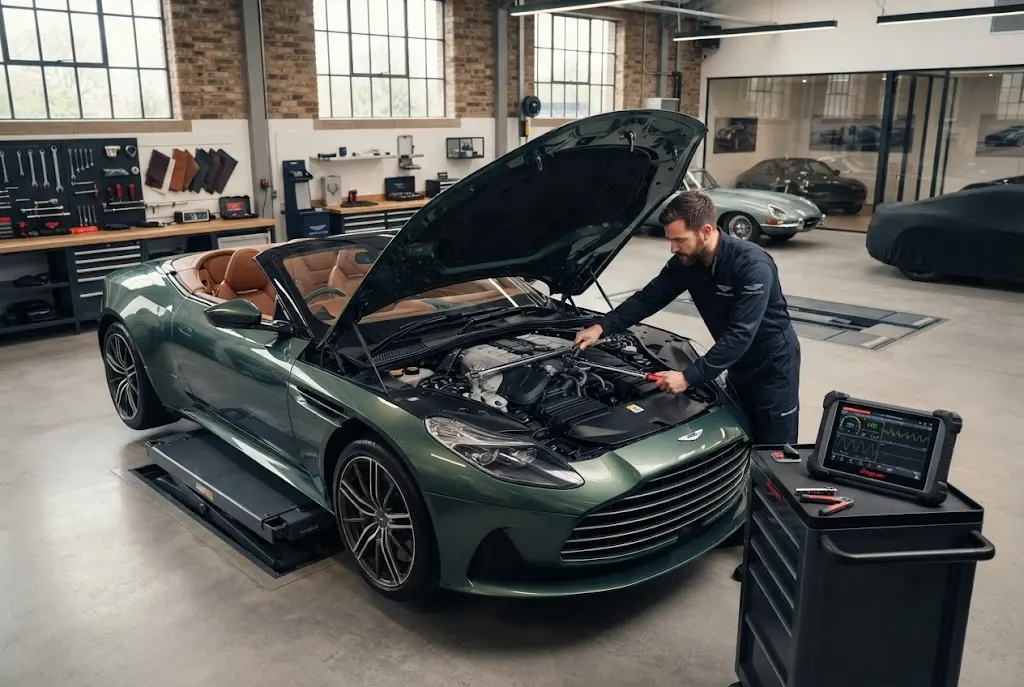
Accurate diagnosis is one of the most important stages of professional vehicle repair. Modern cars can produce electronic fault codes and warning messages, but interpreting those signals correctly still requires technical knowledge.
A diagnostic system may identify an area requiring investigation rather than providing a complete explanation of the problem. A skilled technician can combine diagnostic information with physical inspection, vehicle symptoms and relevant service history.
This process helps establish whether the problem originates from a particular component, wiring, sensor, mechanical system or another source. Once the underlying issue is understood, the repair can be planned more effectively.
Why Guesswork Can Be Expensive
Replacing parts based only on symptoms can lead to unnecessary costs. A warning light does not always mean that the most obvious component is defective, and an unusual noise can sometimes originate from a different area than expected.
Systematic diagnosis reduces this uncertainty. It gives owners a clearer explanation of what has been found and why a particular repair has been recommended.
Mechanical Repairs for Prestige Vehicles
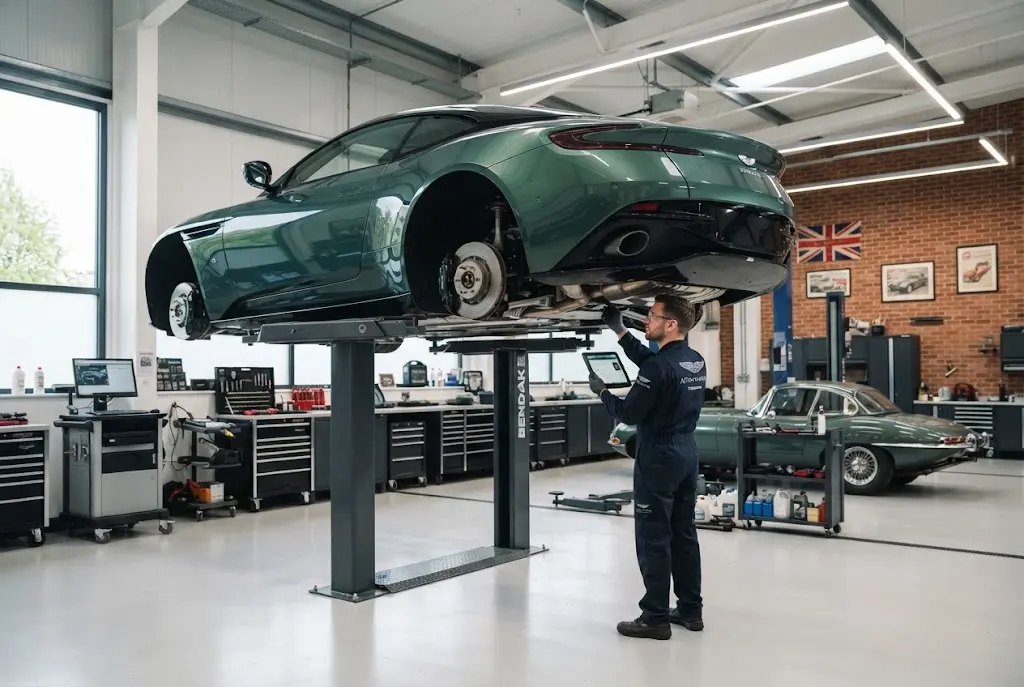
Mechanical faults can affect almost every aspect of a vehicle’s performance. Engine, transmission, cooling, braking and suspension systems all need to work correctly for the vehicle to deliver the driving experience expected from a premium model.
When a mechanical problem develops, early investigation can be beneficial. Small changes in performance, unusual noises or fluid leaks should not automatically be ignored until the next scheduled service.
Routine car servicing can provide opportunities to identify developing mechanical concerns, while a dedicated repair appointment may be necessary when a fault requires more extensive investigation or component replacement.
Premium Bodywork and Cosmetic Repairs
Bodywork is one area where the quality of a repair can remain visible long after the work has been completed. Premium vehicles often feature distinctive paint finishes, complex body shapes and carefully integrated trim.
Accident damage, scratches, dents and other exterior issues may therefore require careful assessment. Panel alignment, surface preparation, paint matching and finishing all contribute to the final appearance.
For a luxury vehicle, an acceptable mechanical repair does not necessarily mean an acceptable cosmetic result. Owners should consider whether the repair provider has the equipment, experience and attention to detail needed to achieve an appropriate finish.
Luxury Repair and Automotive Craftsmanship
Automotive craftsmanship combines technical competence with attention to detail. It is particularly relevant when working on vehicles where finish, precision and presentation are important parts of the ownership experience.
Craftsmanship can be reflected in how a vehicle is inspected, how components are fitted and how cosmetic details are handled. It also involves taking time to understand the vehicle rather than treating every repair as an identical process.
For prestige ownership, this attention to detail can complement the wider premium auto services approach. Servicing, maintenance and repairs should work together as parts of one long-term vehicle care strategy.
Specialist Workshops and Premium Vehicle Care
Choosing a specialist workshop can be worthwhile when a repair involves complex systems or a vehicle with particular technical requirements. Owners should look for evidence of appropriate experience, diagnostic capability and professional working practices.
A good repair conversation should also be transparent. The owner should understand what has been identified, what work is recommended and whether additional investigation is necessary before the final repair can be confirmed.
It can also be useful to ask how the workshop documents completed work. Keeping repair information alongside the vehicle’s service history can make future maintenance easier and provide a clearer record of the vehicle’s ownership.
Restoration Services for Older Prestige Vehicles
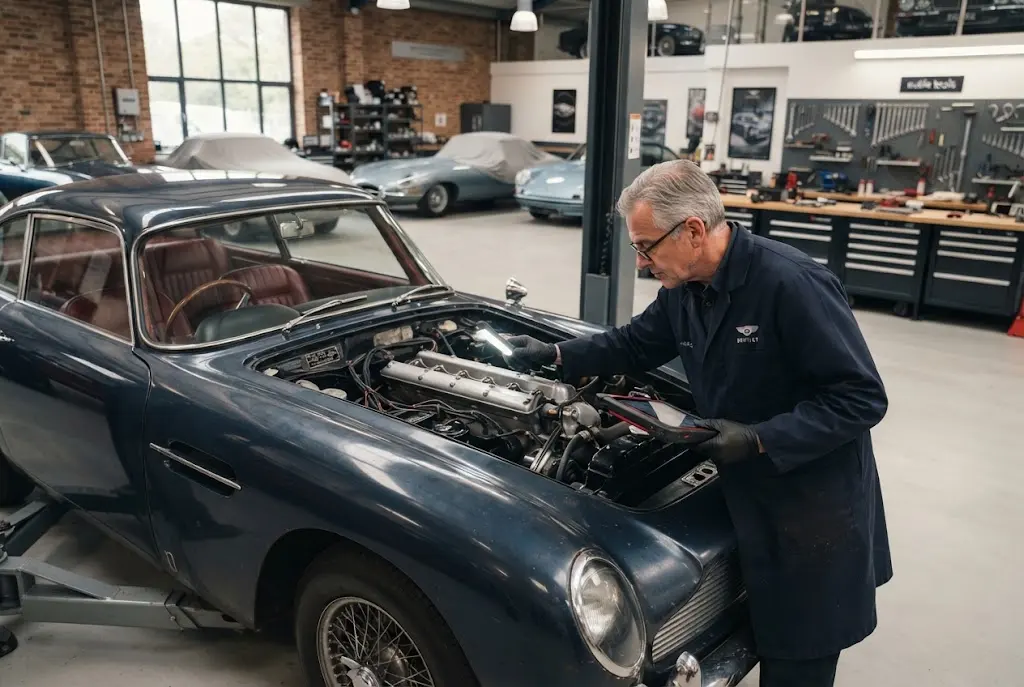
Not every repair concerns a modern luxury car. Older prestige vehicles can require a different type of expertise, particularly when the objective is to preserve original character or restore a vehicle that has deteriorated over time.
Restoration may involve bodywork, mechanical refurbishment, interior work, paint correction or the careful replacement of worn components. The appropriate approach depends heavily on the vehicle and the owner’s objectives.
Restoration should therefore be planned rather than approached as a collection of unrelated repairs. Establishing priorities can help owners decide which work is essential for safety and reliability and which work is focused on preservation or presentation.
Repairing Electronics and Modern Vehicle Systems
Electrical and electronic faults are increasingly important in modern luxury vehicles. A problem with a sensor, control unit, electrical connection or communication system can sometimes affect several vehicle functions.
Because these systems are interconnected, accurate diagnostics are particularly important. Technicians may need to examine fault codes, wiring, connections and system behaviour before identifying the source of the issue.
Owners should be cautious about ignoring persistent warning messages simply because the vehicle continues to operate. Some faults may initially have limited symptoms but deserve professional assessment.
How Vehicle Maintenance Can Reduce Repair Risk
Professional repairs are sometimes unavoidable, but preventative vehicle care can help owners manage certain risks. Regular maintenance allows important components to be inspected and provides an opportunity to identify wear before it becomes a larger problem.
Tyres, brakes, fluids, batteries and suspension components can all require attention at different points in a vehicle’s life. Following the manufacturer’s maintenance schedule and responding to unusual vehicle behaviour can help create a proactive ownership routine.
A comprehensive vehicle maintenance strategy can therefore complement specialist repair work. The two serve different purposes but contribute to the same long-term objective: keeping the vehicle in appropriate condition.
What to Consider Before Authorising a Repair
Before approving significant repair work, owners should understand the problem and the proposed solution. A professional provider should be able to explain the diagnosis in straightforward language.
It can also be useful to distinguish between urgent work and recommendations that can be planned for later. Not every advisory item requires immediate repair, although safety-critical problems should always receive appropriate priority.
Owners may also want to ask whether the repair will affect other maintenance requirements. Coordinating related work can sometimes make the overall repair process more efficient, provided that each task is genuinely necessary.
Auto Repair Services and Service History
Repair records form an important part of a vehicle’s history. They can show when significant faults were addressed, which components were replaced and what work has been completed during ownership.
This information is useful when planning future maintenance because technicians can see what has already been done. It can also be valuable if the vehicle is eventually sold, as a detailed history can provide prospective buyers with greater insight into its care.
Owners should therefore retain repair invoices and relevant documentation alongside their routine service records. A complete history creates a stronger picture of the vehicle’s long-term maintenance.
When Repair and MOT Requirements Overlap
A repair may become necessary after an MOT identifies a defect or advisory item. However, an MOT and vehicle repair have different purposes. The MOT assesses specific legal safety and environmental requirements, while repair work addresses identified faults or damage.
Owners should not assume that passing an MOT means the vehicle requires no further maintenance. Similarly, completing a repair does not remove the need for an MOT when a test is legally due.
For owners who want to organise both requirements, the guide to MOT and service planning can help put annual testing and maintenance into a wider ownership schedule.
Choosing Auto Repair Services for a Luxury Vehicle
The right repair provider should offer more than a convenient location. Consider the workshop’s experience, diagnostic capabilities, repair methods, communication and approach to documentation.
For prestige vehicles, attention to the vehicle’s condition is equally important. Exterior finishes, interior materials and specialist components should be handled carefully during repair work.
Owners should also feel comfortable asking questions. Understanding why a repair is required and how it will be completed allows for better decision-making and creates a more transparent relationship with the workshop.
Building a Complete Premium Vehicle Care Strategy
Repair is only one part of premium vehicle ownership. A stronger strategy combines regular servicing, preventative maintenance, prompt diagnosis and appropriate specialist repair when problems occur.
Scheduled car servicing helps keep routine maintenance organised, while vehicle maintenance provides a broader framework for ongoing care. When a fault or accident occurs, specialist auto repair services can address the problem and restore the vehicle to an appropriate condition.
Owners can also incorporate MOT and service planning into their annual ownership calendar. This helps separate legal testing requirements from routine maintenance while keeping both organised.
The result is a more proactive approach to luxury vehicle ownership. Rather than treating repairs as isolated emergencies, owners can maintain a complete record of the vehicle’s condition and respond appropriately as requirements develop.
Frequently Asked Questions About Auto Repair Services
What do auto repair services include?
Auto repair services can include mechanical repairs, electrical diagnostics, brake and suspension work, fault diagnosis, bodywork and other specialist repairs. The exact service depends on the vehicle and the problem.
Are specialist workshops better for luxury vehicles?
A specialist workshop may be beneficial when a vehicle has complex systems or model-specific requirements. Owners should consider relevant experience, diagnostic capability and the quality of communication before choosing a provider.
Why is diagnosis important before repairing a vehicle?
Accurate diagnosis helps identify the underlying cause of a fault. This can reduce unnecessary parts replacement and give the owner a clearer understanding of the recommended repair.
Can regular servicing reduce the need for repairs?
Regular servicing and preventative maintenance can help identify wear and developing problems earlier. However, no maintenance programme can eliminate the possibility of unexpected faults or damage.
Should I keep records of vehicle repairs?
Yes. Repair records help document the vehicle’s history, provide useful information for future technicians and can become valuable documentation if the vehicle is later sold.
For official information about MOT testing and requirements, motorists can consult the GOV.UK MOT guidance.