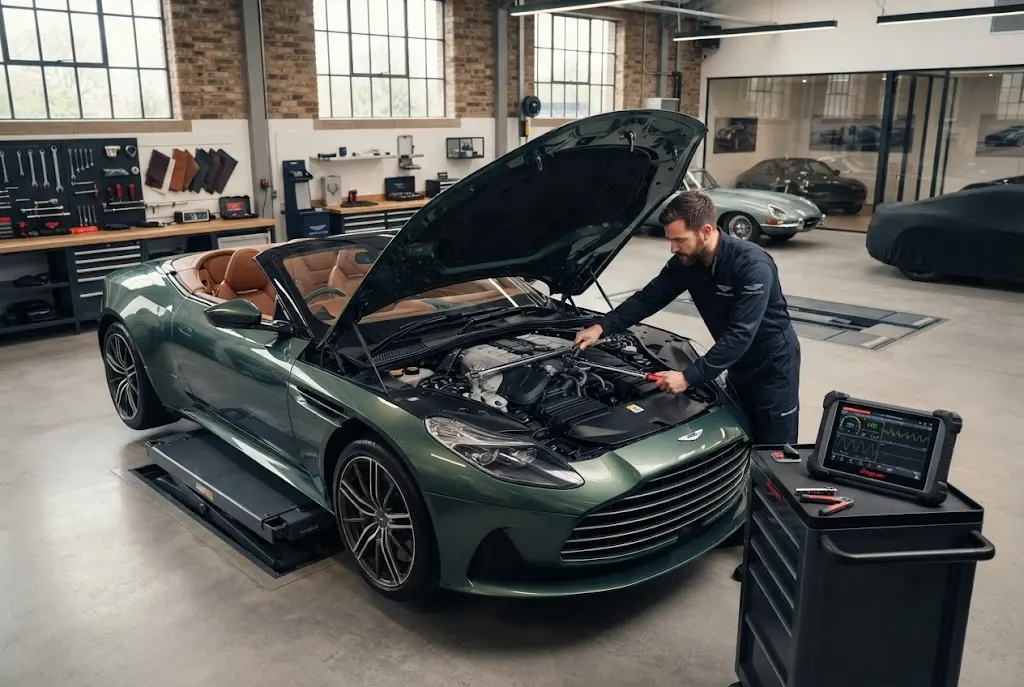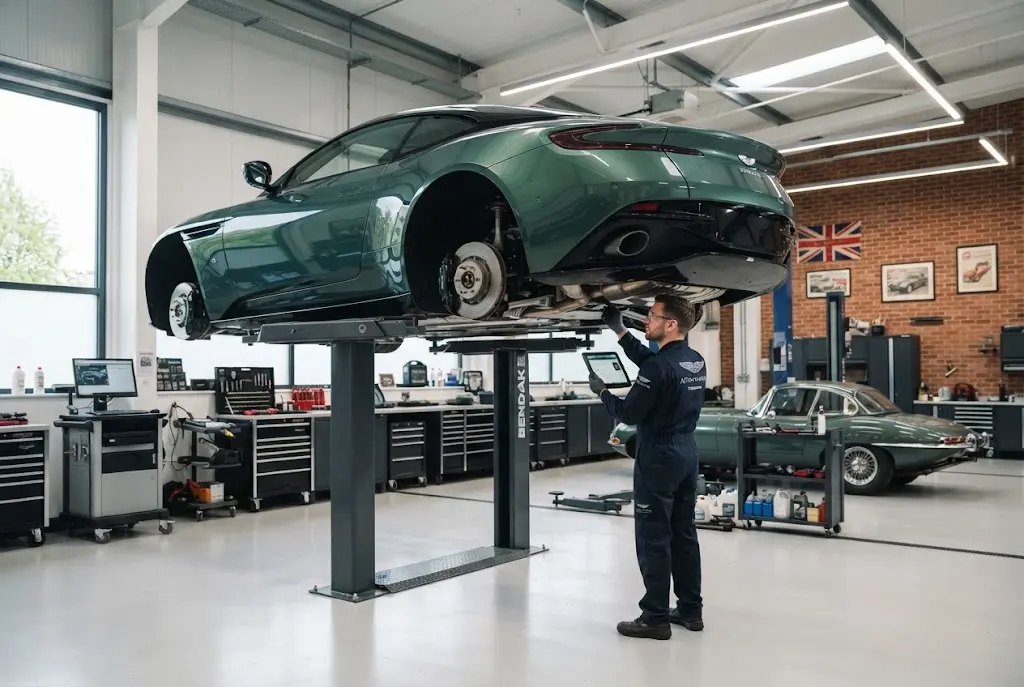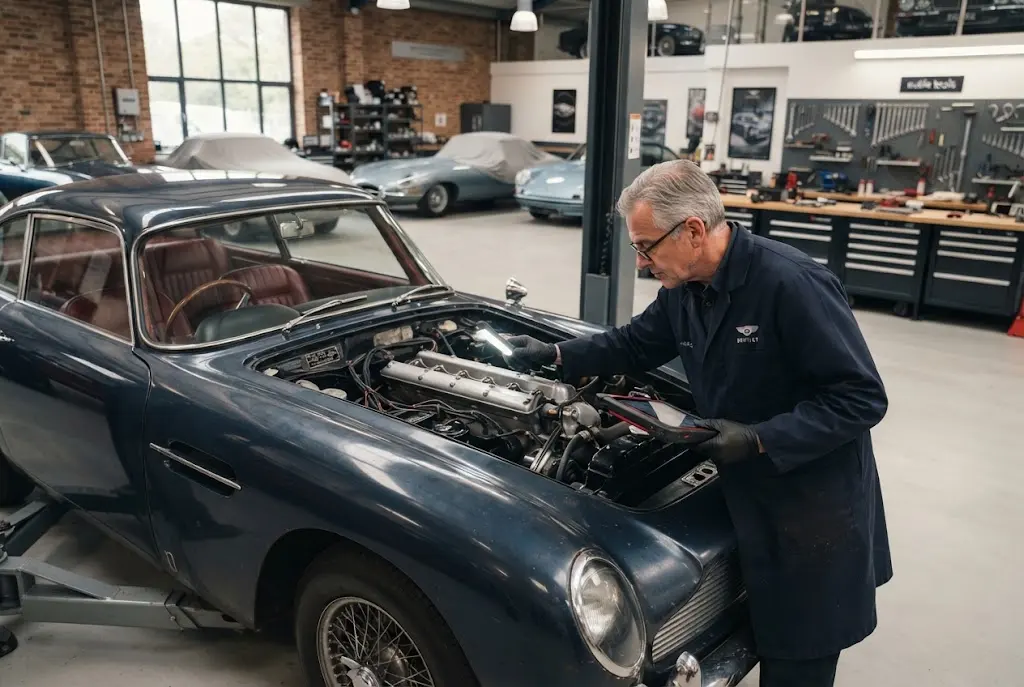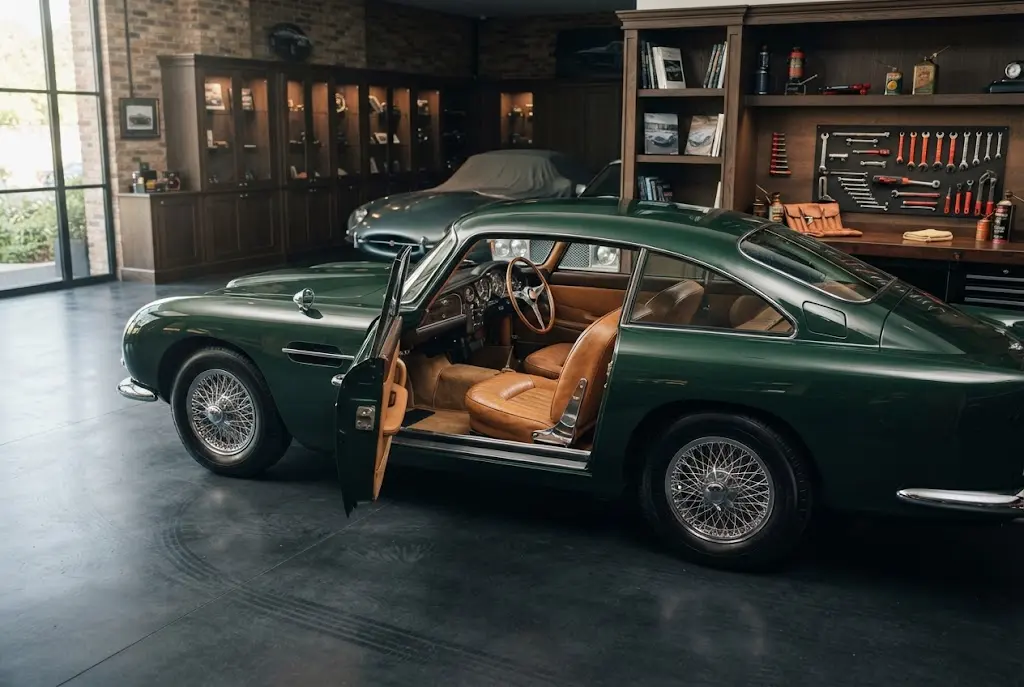

Vehicle maintenance plays a central role in keeping a luxury or executive car reliable, comfortable and enjoyable to drive. Premium vehicles often feature complex mechanical systems, advanced electronics and high-quality components that benefit from consistent attention. A structured approach to maintenance can help owners identify developing issues, keep servicing on schedule and protect the vehicle throughout its ownership.
For luxury vehicle owners, maintenance should not begin only when a warning light appears or a component fails. Preventive care, regular inspections and good record keeping can make vehicle ownership more predictable. They can also help preserve the condition and character of a premium car over the long term.
Why Vehicle Maintenance Matters for Premium Cars
Every vehicle needs maintenance, but premium cars can have particularly sophisticated systems that require careful attention. Engine and transmission components work alongside electronic control systems, advanced suspension technology, braking equipment and driver-assistance features.
When these systems are maintained appropriately, owners can enjoy greater confidence in the vehicle’s day-to-day performance. Maintenance also provides opportunities to identify wear before it develops into a more disruptive problem.
Importantly, vehicle maintenance is broader than scheduled servicing. Servicing follows a defined maintenance programme, while ongoing maintenance can include inspections, tyre checks, fluid monitoring and attention to changes in how the vehicle performs.
Vehicle Maintenance and Preventive Care
Preventive maintenance is based on addressing potential concerns before they become significant faults. Rather than waiting for a component to fail, owners can monitor items that naturally experience wear or deterioration.
Tyres, brakes, batteries, fluids, suspension components and filters are examples of areas that may require attention during a vehicle’s lifetime. The exact requirements vary according to the vehicle, manufacturer recommendations, mileage and driving conditions.
A preventive approach does not mean replacing everything early. Instead, it means inspecting the vehicle properly and making informed decisions about when maintenance is appropriate.
Tyres and Wheels
Tyres have a direct effect on handling, braking and ride quality. Owners should regularly pay attention to tread condition, visible damage and unusual or uneven wear.
Uneven tyre wear can sometimes indicate an alignment, suspension or other mechanical issue. If a tyre develops an unusual pattern, professional inspection can help establish whether there is an underlying problem.
Braking Components
Brake condition is another important part of vehicle care. Changes in braking feel, unusual noises or vibration can justify further investigation.
Premium vehicles may use performance-oriented braking systems, so owners should follow the appropriate maintenance recommendations for their specific model rather than relying on generic assumptions.
Fluids and Filters
Different vehicle systems depend on appropriate fluids and filters. Engine oil is one obvious example, but other systems may also have specific fluid requirements.
Using the correct products and following the manufacturer’s recommended intervals can help support reliable operation. A professional inspection can also identify leaks or other signs that require attention.
Creating a Vehicle Maintenance Plan
A maintenance plan helps turn individual maintenance tasks into a manageable ownership routine. Instead of relying on memory, owners can keep track of servicing dates, mileage, previous repairs and upcoming recommendations.
The plan should begin with the manufacturer’s maintenance schedule. From there, owners can account for how the vehicle is actually used. A car driven long distances every week may require different attention from a vehicle that is driven occasionally for shorter journeys.
Seasonal considerations can also be useful. Before a long road trip, for example, checking tyres, brakes, fluid levels and general vehicle condition can provide additional reassurance.
For scheduled maintenance, owners can also refer to the dedicated car servicing guide. It explains how interim, full and major servicing can fit into a broader ownership strategy.
How Vehicle Maintenance Supports Vehicle Preservation
Long-term ownership is not only about mechanical reliability. Many luxury vehicle owners also want to preserve the vehicle’s overall condition and presentation.
Exterior paintwork, wheels, trim, interior materials and other visible components contribute to the vehicle’s character. Regular attention can help owners notice deterioration early rather than allowing small issues to become more difficult to address.
Mechanical preservation matters as well. Consistent maintenance can help ensure that important systems receive appropriate attention throughout the vehicle’s life. While maintenance cannot eliminate normal wear, it can provide a more structured way to manage it.
The Value of a Complete Service History
A detailed service history is one of the most useful records a vehicle owner can maintain. It provides a chronological account of servicing, repairs and maintenance work.
This information can help future technicians understand what has already been completed. It can also help owners determine when certain maintenance tasks may become relevant again.
For premium vehicles, documentation can be particularly valuable. A well-maintained car with clear records can provide a stronger ownership history than a vehicle where maintenance has been carried out without consistent documentation.
Owners should therefore keep service invoices, repair records and other relevant documentation in an organised place. Digital records can also be useful when available.
Vehicle Maintenance Between Scheduled Services
Scheduled servicing provides important maintenance checkpoints, but owners should still pay attention to their vehicle between appointments. Drivers are often the first people to notice changes in vehicle behaviour.
A new warning message, unfamiliar noise, vibration, unusual smell or change in handling should not automatically be dismissed because the next service is still months away.
Some changes may be minor, but others can indicate a developing problem. Prompt professional assessment can help determine whether immediate action is necessary or whether the issue can be monitored.
When Maintenance Reveals a Repair Requirement
Regular maintenance can sometimes uncover a fault that requires more extensive work. For example, an inspection may reveal worn suspension components, brake deterioration, an electrical issue or another mechanical concern.
When this happens, diagnosis should come before unnecessary parts replacement. A professional technician can investigate the symptoms and determine the likely cause before recommending appropriate work.
For larger faults, owners may need dedicated auto repair services. Keeping maintenance and repair records connected helps create a clearer picture of the vehicle’s overall history.
Choosing the Right Approach to Prestige Maintenance
Luxury vehicle maintenance benefits from an approach that recognises the particular requirements of the car. Owners should consider whether the workshop understands the vehicle’s systems, uses appropriate diagnostic equipment and communicates maintenance recommendations clearly.
Technical competence is important, but so is attention to detail. A premium vehicle should be handled carefully throughout its visit, particularly where its paintwork, interior materials and specialised components are concerned.
Owners should also feel comfortable asking why a particular maintenance task is recommended. Clear explanations help distinguish essential work from preventative recommendations and allow owners to plan expenditure more effectively.
Maintenance Planning for Different Types of Ownership
There is no single maintenance routine that works for every premium vehicle. Usage patterns can have a meaningful effect on maintenance requirements.
Daily Executive Vehicles
An executive vehicle used every day may accumulate mileage quickly. Regular servicing, tyre inspections, brake checks and attention to fluid levels can therefore become particularly important.
Low-Mileage Luxury Vehicles
A vehicle that spends considerable time parked should not automatically be considered maintenance-free. Components such as batteries and tyres can still require attention, while the manufacturer’s time-based servicing recommendations may continue to apply.
Performance Vehicles
Performance-oriented cars can place greater demands on tyres, brakes and other components depending on how they are driven. Owners should follow the manufacturer’s recommendations and seek specialist advice where driving conditions are particularly demanding.
Combining Maintenance With MOT and Servicing
Vehicle maintenance should be considered separately from the MOT, even though both can be incorporated into an annual ownership plan. An MOT assesses specific safety and environmental requirements, while maintenance and servicing focus on the condition and upkeep of the vehicle.
Passing an MOT does not mean that every maintenance requirement has been completed. Likewise, completing routine maintenance does not replace an MOT when a test is legally required.
Owners can make annual planning easier by considering both requirements together. The guide to MOT and service planning provides additional context on managing these responsibilities.
How Maintenance Can Improve the Ownership Experience
Good maintenance is not simply about avoiding breakdowns. It can also support the qualities that make premium vehicles enjoyable to own.
A well-maintained vehicle can feel more consistent on the road, while a clear maintenance plan can reduce the uncertainty associated with unexpected servicing requirements. Owners can also benefit from knowing which work has been completed and what may be approaching.
This creates a more proactive form of ownership. Instead of reacting to every problem independently, owners can manage the vehicle as a long-term asset.
Building a Long-Term Vehicle Maintenance Strategy
A strong maintenance strategy begins with the manufacturer’s recommendations and develops around the vehicle’s real-world use. Owners should keep records, monitor changes in performance and arrange appropriate professional inspections when necessary.
Combining preventive maintenance with scheduled car servicing can help create a balanced approach. When faults arise, appropriate auto repair services can address more substantial problems, while annual MOT and service planning helps keep testing and maintenance organised.
The goal is not to maintain a luxury vehicle unnecessarily. Instead, it is to give the vehicle the right attention at the right time. That means following recommended schedules, responding to genuine signs of wear and using professional expertise when a problem requires investigation.
Ultimately, effective vehicle maintenance supports more than mechanical reliability. It can help preserve the vehicle’s condition, strengthen its service history and contribute to a more enjoyable ownership experience. For premium and executive cars, that consistent attention is an important part of long-term automotive care.
Frequently Asked Questions About Vehicle Maintenance
What does vehicle maintenance include?
Vehicle maintenance can include scheduled servicing, inspections, fluid checks, tyre and brake monitoring, battery care and attention to components that experience normal wear. Exact requirements vary by vehicle and manufacturer.
What is preventive vehicle maintenance?
Preventive maintenance involves monitoring and addressing potential problems before they develop into more serious faults. It focuses on planned inspections and appropriate maintenance rather than waiting for a component to fail.
How often should a luxury car be maintained?
Maintenance requirements depend on the vehicle, manufacturer schedule, mileage, age and usage. Owners should follow the recommended service intervals and arrange additional inspections when the vehicle develops unusual symptoms.
Does low mileage mean a vehicle needs less maintenance?
Not necessarily. Some maintenance requirements are based on time as well as mileage. Components such as batteries, tyres and fluids may still require attention even when a vehicle is driven relatively infrequently.
Why should I keep maintenance records?
Maintenance records provide useful information about the vehicle’s history. They can help technicians plan future work, help owners track completed maintenance and provide valuable documentation if the vehicle is later sold.
For official information about MOT requirements and testing, motorists can consult the GOV.UK MOT guidance.