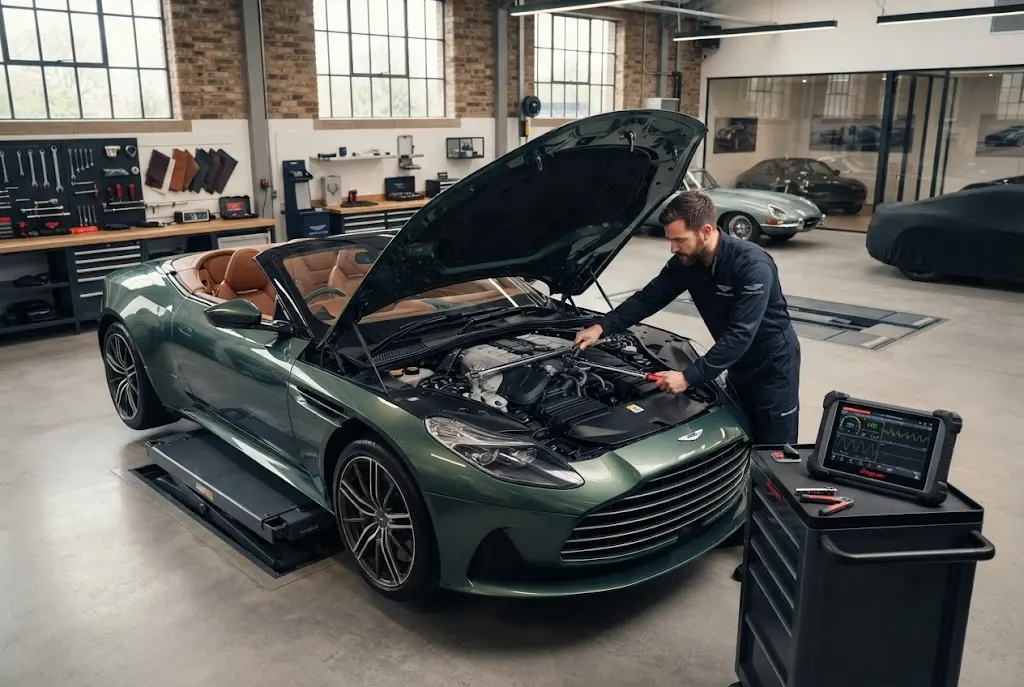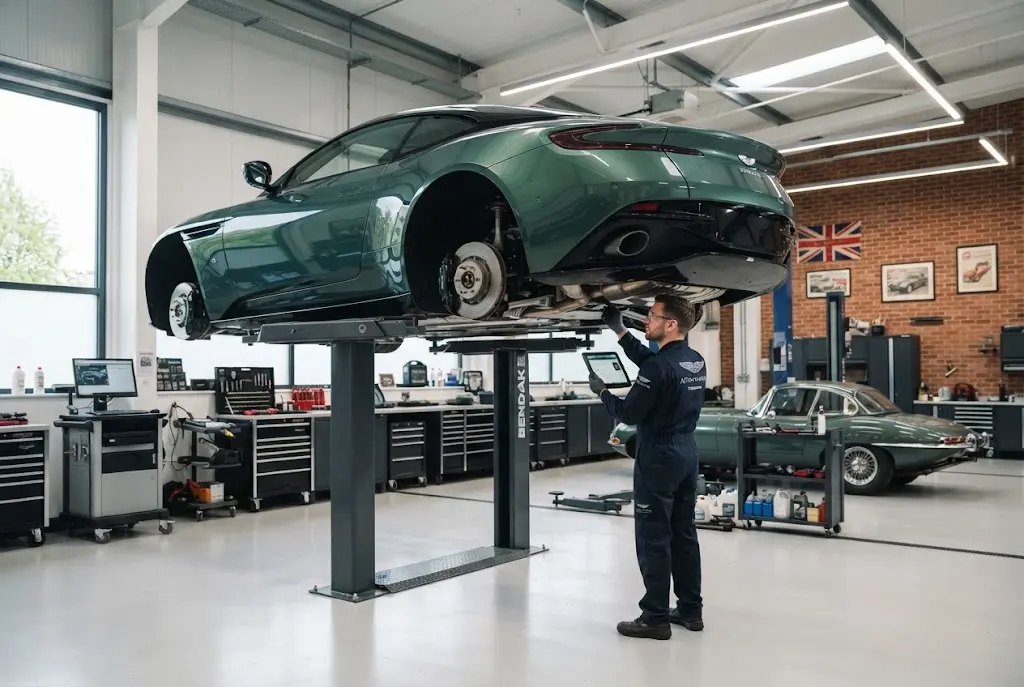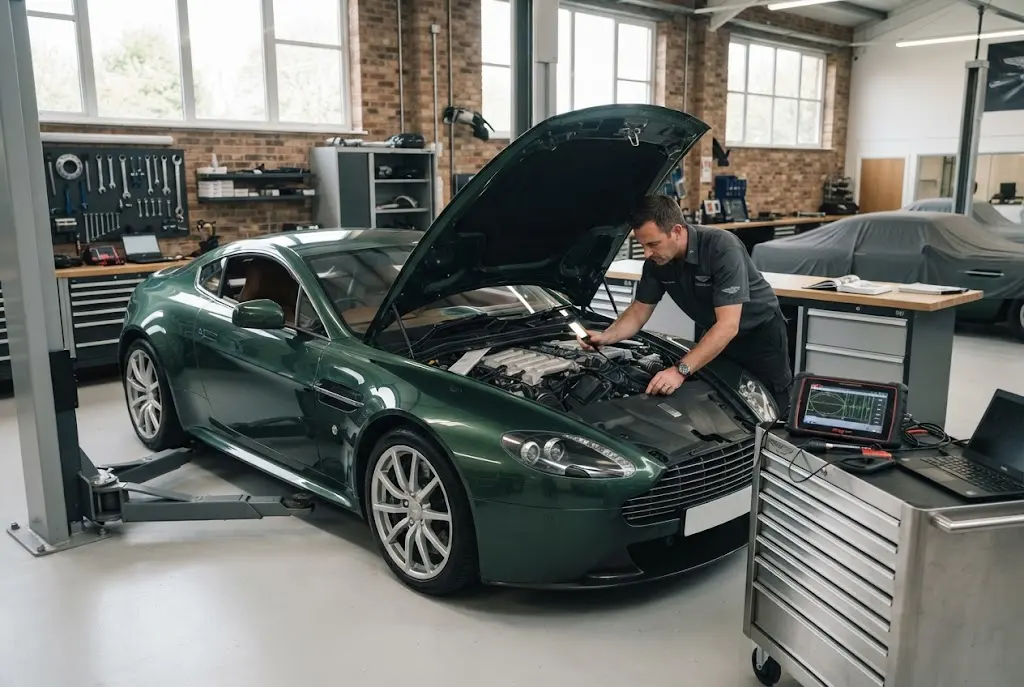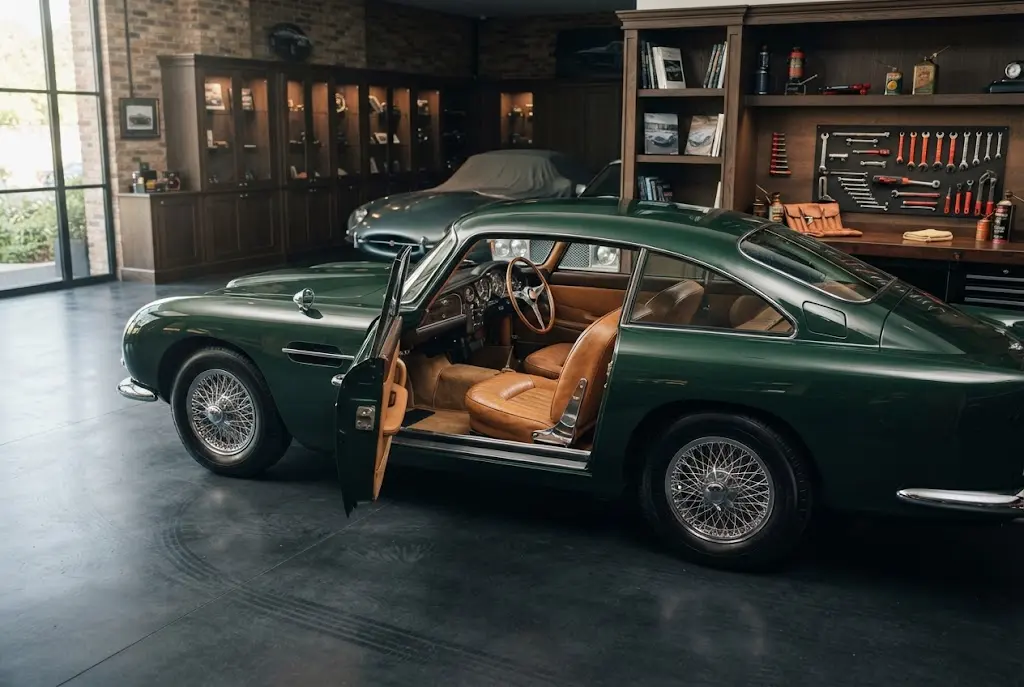

Buying a collector, luxury or heritage vehicle requires more than a visual check and a short test drive. Auto inspection services can provide a structured assessment of a vehicle’s condition, identity, documentation and mechanical presentation before a significant purchase is completed. For collectors, this additional scrutiny can help uncover issues that may not be obvious from photographs, a seller’s description or a basic road test.
A specialist inspection is particularly useful when the vehicle is rare, expensive, modified, historically significant or being considered as a long-term ownership asset. The objective is not simply to find faults. A thorough assessment can help a prospective owner understand what the vehicle actually represents, what work may be required and whether its condition appears consistent with its description and history.
Why Auto Inspection Services Matter for Collectors
Collector cars can have characteristics that make ordinary used-car checks insufficient. Age, previous restoration, modifications, replacement components, storage conditions and maintenance history can all influence the condition and desirability of a vehicle.
Auto inspection services provide an opportunity to examine these factors systematically. Depending on the vehicle and the scope agreed with the inspector, an assessment may cover the exterior, interior, engine compartment, underbody, mechanical components, electrical systems, tyres, signs of previous repairs and general presentation.
The inspection should also be considered alongside documentary evidence. A vehicle can look exceptional while still raising questions about its history or identity. Conversely, an older vehicle may show age-related characteristics that are normal for its type but need to be understood before purchase.
What a Collector Car Inspection Can Reveal
A collector car inspection can focus attention on areas that are particularly relevant to specialist vehicles. These may include corrosion, paintwork, panel alignment, evidence of accident repairs, restoration quality, mechanical wear and the condition of important components.
For heritage vehicles, originality can also be significant. Replacement parts and restoration work are not automatically negative, but buyers may want to understand what has been changed and whether the vehicle’s current specification matches its claimed history.
A specialist assessment can therefore provide a more useful picture than photographs alone. It can identify areas requiring further investigation and give the buyer a clearer basis for discussing the vehicle with the seller.
Luxury Inspections Before a Major Purchase
Luxury vehicles often combine sophisticated electronics, advanced driver systems, complex powertrains and expensive components. A vehicle may appear immaculate externally while still requiring substantial mechanical or electronic attention.
A professional inspection can help assess the overall condition before ownership changes hands. This is particularly useful when purchasing privately, buying a vehicle located in another part of the UK or considering a car with limited independent history.
Buyers should also distinguish between an inspection and an MOT. An MOT is a statutory test covering specified road-safety and environmental standards; it is not a comprehensive condition report or a substitute for a detailed pre-purchase assessment. GOV.UK also recommends checking a used vehicle’s MOT history, registration information, V5C and vehicle identification details before purchase. GOV.UK’s used-vehicle buying guidance provides the official checklist.
Vehicle Identity and Ownership Verification
Vehicle identity is an important part of any serious purchase, particularly where a car has collector appeal. Buyers should compare the vehicle’s identification details with its documentation rather than relying solely on the seller’s description.
The DVLA provides information that can help buyers verify details such as the registration date, year of manufacture, engine size, fuel type, tax status and other vehicle information. GOV.UK also advises buyers to check the VIN and engine number against the vehicle’s documentation.
For collectors, this process can become even more important where the vehicle is represented as a particular specification, edition or historically significant example. Documentation should support the claims being made about the vehicle rather than simply being treated as an administrative formality.
How Specialist Assessments Support Vehicle Valuation
An inspection does not automatically establish a definitive market price. However, it can provide valuable condition information that may be relevant when considering vehicle valuation.
Condition, originality, specification, restoration quality, documented history and mechanical state can all influence how a specialist vehicle is perceived in the market. An inspection report can help separate observable condition from assumptions made from photographs or advertising descriptions.
This distinction matters because two vehicles of the same make, model and year can have substantially different ownership histories and physical conditions. One may have benefited from careful restoration and consistent maintenance, while another may require extensive work.
For that reason, inspection findings should be considered alongside comparable market evidence, specialist knowledge and documentation when determining whether an asking price is appropriate.
Heritage Vehicles Require Context
Older and heritage vehicles deserve an inspection approach that recognises their age and construction. Components may have different characteristics from those found on modern cars, and restoration standards can vary considerably.
Historic vehicles can also have different regulatory considerations. GOV.UK notes that some vehicles of historical interest over 40 years old may be exempt from statutory MOT testing if they have not been substantially changed. That exemption does not remove the importance of responsible maintenance or a careful assessment of the vehicle’s actual condition.
For a prospective collector, understanding what is original, what has been restored and what has been replaced can be just as important as identifying obvious mechanical faults. A specialist inspection should therefore put findings into the context of the particular vehicle.
Using Inspection Findings for Investment Protection
Collectors do not all purchase vehicles for the same reasons. Some want to drive them, others focus on preservation, while some are interested in building a collection around particular marques, models or periods.
Regardless of the objective, an inspection can reduce uncertainty before a substantial financial commitment is made. It can identify repair requirements, document visible condition and highlight areas that deserve additional investigation.
This can be particularly useful when a seller describes a vehicle as fully restored, mechanically excellent or highly original. Rather than accepting those descriptions at face value, a buyer can use independent findings to develop a more complete understanding of the vehicle.
Inspection should not be viewed as a guarantee against future costs. Vehicles can develop faults after an inspection, and concealed defects may not always be identifiable without dismantling components. However, a carefully scoped assessment can provide another layer of due diligence.
What to Ask Before Booking an Inspection
Before commissioning an inspection, buyers should establish exactly what will be examined and what the final report will contain. The scope can vary considerably between inspection providers.
Useful questions include whether the inspection covers mechanical systems, bodywork, corrosion, interior condition, diagnostic checks and documentation. It is also worth asking whether the inspector has experience with the specific manufacturer, model or type of vehicle being considered.
If the vehicle is particularly rare or historically significant, specialist knowledge can be especially valuable. A general inspection may identify obvious problems, whereas a marque specialist may understand model-specific weaknesses, original specifications and restoration considerations.
Inspection Before Purchase and Long-Term Ownership
A pre-purchase inspection is only one part of responsible specialist-car ownership. Once a vehicle has been acquired, maintaining it properly becomes essential to preserving its condition and usability.
Owners considering long-term preservation should also understand the importance of appropriate servicing. Detailed maintenance records can create a useful ownership history and help future inspections become more informative.
For this reason, inspection naturally connects with wider specialist ownership considerations, including car service cost and the value of maintaining a consistent service history.
Making a More Informed Collector Car Decision
Collector and luxury vehicles can represent substantial financial and personal commitments. A polished advertisement, impressive photographs and an attractive specification may create a strong first impression, but they cannot replace independent examination.
Auto inspection services give prospective owners a structured way to investigate condition, identity, documentation and potential maintenance requirements before completing a purchase. When combined with MOT history checks, DVLA information, relevant documentation and appropriate specialist advice, an inspection can form an important part of the buyer’s due diligence.
The strongest approach is therefore not to treat an inspection as a simple pass-or-fail exercise. Instead, use the findings to understand the vehicle more clearly. For collectors and luxury-car buyers, that additional knowledge can support more informed decisions about condition, ownership costs, preservation and the long-term role of the vehicle within a collection.
As the wider premium automotive sector continues to develop, specialist assessment is increasingly connected with the broader expectations surrounding luxury automotive services and luxury vehicle ownership.
For official background information, buyers can also review the UK government’s MOT history service, which provides previous MOT results, recorded mileage and other available test information.