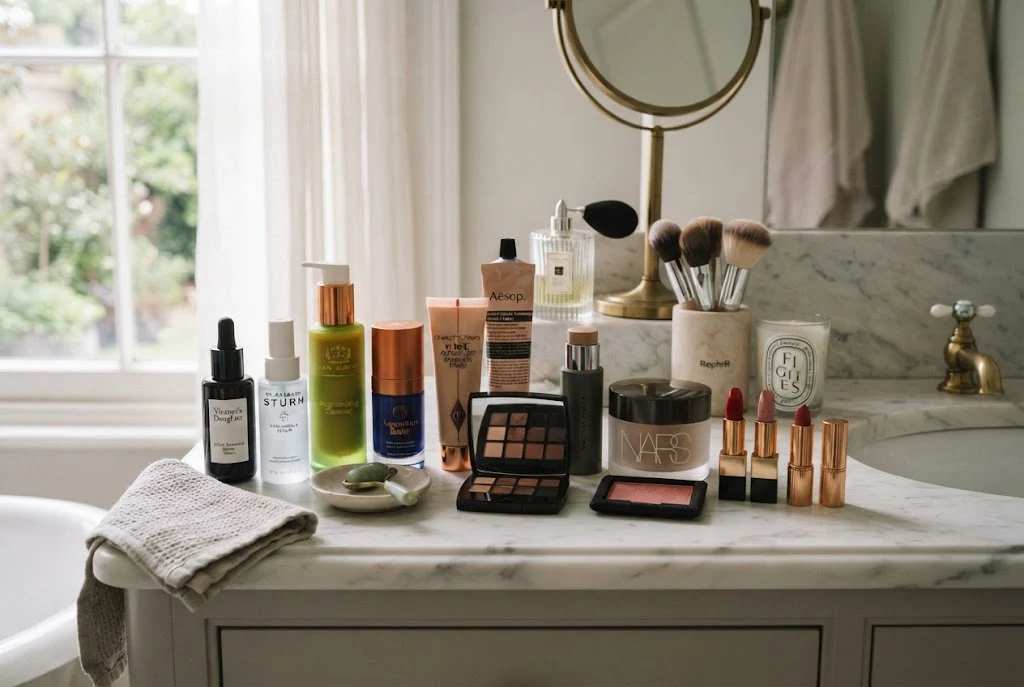

The UK beauty industry is a diverse and fast-moving sector covering skincare, cosmetics, haircare, fragrance, personal care, salons, aesthetic services, retail and beauty technology. From established high-street brands to independent businesses and digital-first beauty companies, the market continues to evolve as consumers change how they discover, compare and purchase products and services.
Understanding the UK beauty industry requires more than looking at cosmetics sales alone. Regulation, consumer expectations, online shopping, social media, sustainability, product innovation and professional services all influence how the market develops. For businesses, writers, publishers and consumers, these changes provide a useful picture of where the UK beauty market is heading.
What Is the UK Beauty Industry?
The UK beauty industry includes the businesses, professionals, manufacturers, retailers and service providers involved in helping consumers maintain or enhance their appearance and personal care routines. It covers a broad range of activities, from the development and sale of cosmetic products to beauty treatments and professional services.
Major areas include skincare, makeup, haircare, fragrances, nail products, bath and body care, sun protection, grooming products and salon services. The wider sector also overlaps with wellness, fashion, healthcare and technology, particularly as consumers increasingly take a more holistic approach to personal care.
This breadth makes the industry particularly resilient. A change in consumer interest may reduce demand in one area while creating opportunities elsewhere. For example, a growing interest in simplified routines can influence skincare ranges, while new beauty technologies can create demand for different services and specialist products.
How the UK Beauty Market Is Changing
The UK beauty market is shaped by a combination of consumer behaviour, economic conditions, retail developments and product innovation. Traditional department stores and high-street retailers remain important, but online stores, social commerce and direct-to-consumer websites have changed how customers interact with beauty brands.
Consumers can now discover a product through a social media video, research ingredients through a brand website, compare reviews on independent platforms and complete a purchase online within minutes. This has increased the importance of education and transparent product information alongside traditional advertising.
Another important development is the growing influence of independent and specialist brands. Smaller companies can use ecommerce, creator partnerships and targeted digital marketing to reach specific audiences without relying entirely on traditional retail distribution.
For businesses operating in this environment, understanding digital visibility is increasingly important. A well-planned beauty SEO strategy can help brands reach consumers when they are actively searching for products, ingredients, treatments and advice.
Key UK Beauty Market Trends
Several trends are influencing the direction of the UK beauty market. These trends do not affect every consumer equally, but together they show how the sector is becoming more informed, digital and specialised.
Ingredient Awareness
Consumers increasingly want to understand what they are putting on their skin, hair and body. Ingredient lists, product explanations and educational content can therefore influence purchasing decisions.
This creates opportunities for brands that communicate clearly. Instead of relying only on broad promotional claims, businesses can explain how products are designed to be used, which ingredients they contain and what consumers should realistically expect.
Personalised Beauty
Personalisation continues to influence product recommendations and beauty routines. Consumers may look for products suited to particular skin types, hair textures, preferences, lifestyles or concerns rather than choosing products solely because they are popular.
Technology can support this shift through online consultations, questionnaires, recommendation tools and personalised shopping experiences. At the same time, brands need to ensure that marketing claims remain responsible and properly supported.
Social Media Discovery
Social platforms have become an important part of beauty discovery. Tutorials, product demonstrations, creator content and customer reviews can introduce products to audiences that may not have encountered them through conventional advertising.
However, social popularity does not automatically mean that a product is suitable for everyone. Consumers still benefit from checking ingredients, directions, suitability information and trustworthy reviews before purchasing.
Independent Beauty Brands
Independent brands continue to add variety to the UK beauty industry. Smaller businesses can focus on particular ingredients, product categories, customer groups or brand identities and use ecommerce to sell directly to consumers.
For these companies, strong branding and a clear value proposition can be just as important as product quality. Building trust through useful information, transparent communication and reliable customer service can help an emerging brand compete in a crowded market.
Beauty and Digital Commerce
Online shopping has made beauty products more accessible while also increasing competition between brands. Customers can compare prices, packaging, ingredients, reviews and delivery options across multiple retailers.
As a result, beauty businesses need to think beyond simply having an online shop. Product pages should answer common questions, provide accurate information and make it easy for customers to understand what they are buying.
UK Cosmetics Industry and Product Categories
The UK cosmetics industry includes many product categories, and the boundaries between traditional cosmetics, personal care and wider beauty products can sometimes overlap.
Common categories include makeup, skincare, perfumes, deodorants, shampoos, conditioners, soaps, nail products, shaving products, sun creams and tanning products. The UK government’s consumer guidance describes cosmetics as products applied to areas such as the skin, hair, lips, teeth and nails, with examples ranging from bath products and deodorants to makeup and skincare.
This wide product mix means that businesses need to understand the requirements relevant to the specific products they place on the market rather than treating every beauty product as identical.
Beauty Industry Regulations UK: What Businesses Need to Know
Beauty industry regulations UK requirements are particularly important for businesses that manufacture, import, distribute or sell cosmetic products. In Great Britain, cosmetic products must meet the applicable UK cosmetic regulatory framework before being made available to consumers.
One of the key concepts is the Responsible Person. A cosmetic product placed on the Great Britain market must have a Responsible Person established in the UK. This role involves ensuring that relevant legal and safety obligations are met.
Businesses also need to pay attention to product safety, product information, labelling and notification requirements. The regulatory framework is designed to protect consumers while providing a clear set of responsibilities for businesses involved in bringing cosmetic products to market.
Product Information and Safety
Cosmetic businesses need appropriate safety documentation and product information. For products placed on the Great Britain market, the Responsible Person must maintain a Product Information File, commonly known as a PIF, containing information relevant to the product’s safety and compliance.
Safety assessment is an important part of this process. Businesses should also make sure that product presentation, packaging, instructions and labelling meet the applicable requirements.
Cosmetic Product Notification
Cosmetic products made available to consumers in Great Britain must be notified through the relevant UK cosmetic product notification system. This requirement is separate from simply selling a product through an online shop.
For businesses entering the market, compliance should therefore be considered during product development and launch planning rather than treated as an administrative task after a product is ready to sell.
Great Britain and Northern Ireland
Businesses should also recognise that the regulatory position is not identical across every part of the UK. Great Britain covers England, Scotland and Wales, while Northern Ireland has additional considerations under the Windsor Framework and applicable EU rules.
This distinction matters particularly for businesses selling products across both markets. Companies should check the current requirements that apply to their specific products, supply arrangements and destination market before launching or changing a product.
What the Regulations Mean for UK Beauty Businesses
For UK beauty businesses, compliance is closely connected to reputation. A product may have excellent branding and strong customer demand, but regulatory problems can create serious commercial and reputational consequences.
Businesses should establish clear internal processes for product documentation, supplier information, safety assessment, labelling and notifications. They should also keep relevant records up to date as products, packaging or formulations change.
Importers and distributors need to understand their responsibilities rather than assuming that compliance is entirely the manufacturer’s concern. The precise obligations depend on the business’s role and how the product enters the market.
For authoritative guidance, businesses should consult the GOV.UK guidance on the Cosmetic Products Enforcement Regulations and check the latest requirements before placing products on the market.
Beauty Industry Statistics: Why Context Matters
Beauty industry statistics can help explain the size and direction of the sector, but figures should always be considered in context. Different reports may define the beauty market differently, include different product categories or measure retail sales, manufacturing activity, consumer spending or professional services separately.
For that reason, a single market-size figure does not necessarily describe the entire UK beauty industry. Businesses and publishers should check what a particular dataset measures before using it to support a commercial or editorial claim.
Other useful indicators include changes in consumer purchasing behaviour, ecommerce adoption, new business formation, product launches, retail performance and search demand. Looking at several signals together can provide a more balanced view of the market.
The Role of Beauty Content and Publishing
Beauty is an information-rich sector. Consumers often want answers before they purchase: which ingredients matter, how a product should be used, which products may suit a particular routine and how different options compare.
That makes high-quality publishing valuable to both readers and businesses. Effective beauty writing should provide useful information rather than simply repeat promotional claims. Product explainers, ingredient guides, trend analysis, buying advice and industry coverage can all contribute to a stronger beauty publication.
For publishers, the opportunity is to build a library of connected content rather than relying on isolated articles. A strong content structure can cover the industry itself, beauty writing, SEO, product recommendations and emerging market developments while giving readers clear routes to related information.
Where the UK Beauty Industry Is Heading
The UK beauty industry outlook is likely to remain closely connected to digital commerce, consumer education, product innovation and changing expectations around transparency. Brands will continue competing for attention across search engines, social platforms, marketplaces, retail stores and their own websites.
At the same time, regulation will remain an important part of doing business. Companies that build compliance into their product development and marketing processes can reduce avoidable risks and create a stronger foundation for growth.
Consumers are also likely to become more selective. The abundance of choice means that a compelling product alone may not be enough. Clear information, credible communication, convenient purchasing and a consistent customer experience can all influence whether someone chooses one beauty brand over another.
Digital visibility will remain another major consideration. Businesses that understand search intent and produce genuinely useful content can attract potential customers earlier in the buying journey. This is particularly important in competitive categories such as skincare, makeup and haircare.
What This Means for Beauty Brands and Consumers
For beauty brands, the changing market creates both opportunities and responsibilities. Businesses can reach highly specific audiences, launch products through digital channels and build communities around specialist interests. However, they must also compete in an environment where customers have access to more information and alternatives than ever before.
For consumers, greater choice can make shopping easier but also more complicated. Product claims, influencer recommendations and online reviews should be considered alongside reliable product information and instructions.
Independent editorial content can play an important role here. Detailed comparisons and carefully researched guides can help readers understand their options without turning every article into a sales pitch. Our future coverage of the best beauty products can build on this broader industry context by focusing more closely on product selection and buying decisions.
Final Thoughts on the UK Beauty Industry
The UK beauty industry is a broad ecosystem shaped by products, services, technology, retail, regulation and consumer behaviour. Its continued development is not being driven by one trend alone. Instead, multiple forces are changing how beauty products are created, marketed, discovered and purchased.
For businesses, understanding the UK beauty market means combining commercial awareness with regulatory responsibility and strong customer communication. For consumers, it means looking beyond popularity and considering product information, suitability and trustworthy guidance.
As the market continues to evolve, the strongest beauty brands and publishers will be those that combine innovation with transparency, useful information and a clear understanding of what UK consumers actually need.