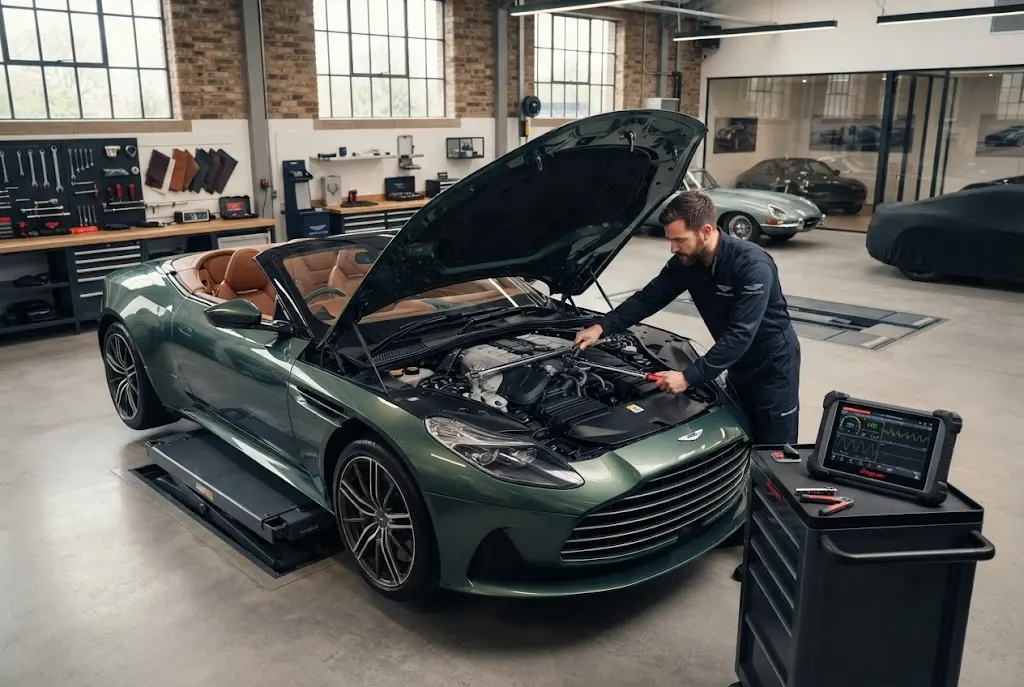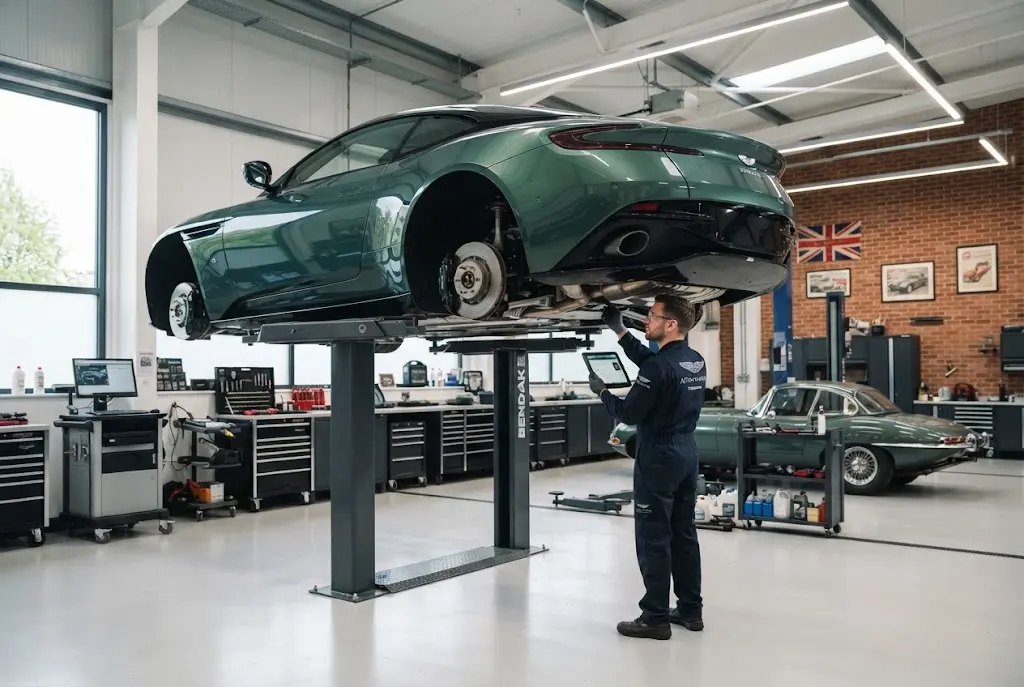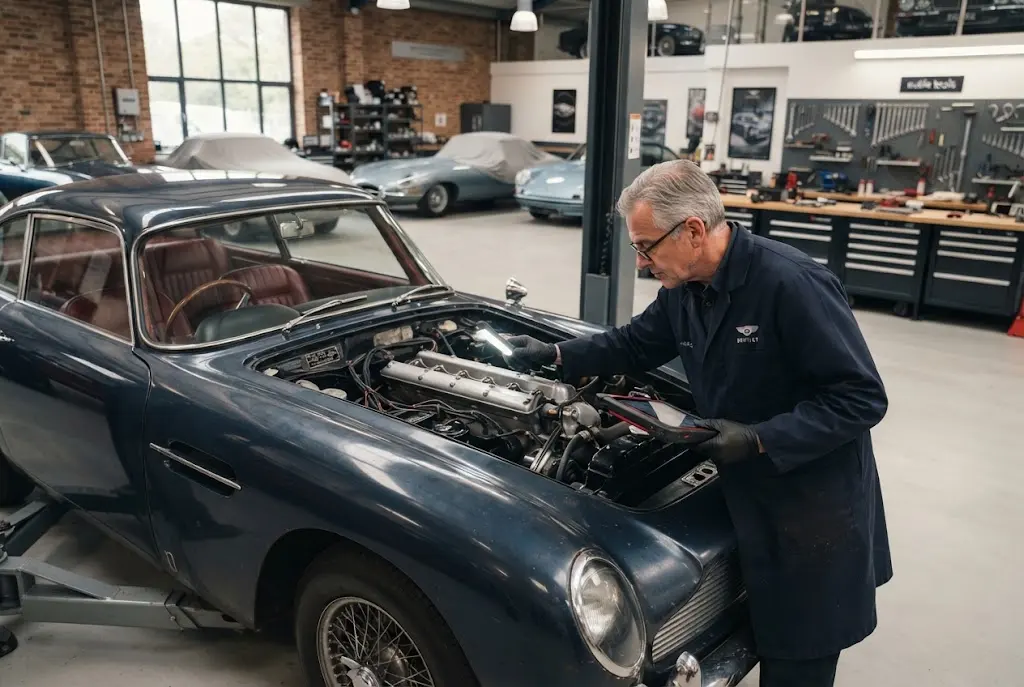

Regular hybrid servicing is an important part of owning a modern luxury hybrid vehicle in Britain. Hybrid cars combine a conventional engine with an electric motor and battery system, which means their maintenance requirements can differ from those of traditional petrol or diesel vehicles. For premium owners, choosing a service provider with the right knowledge, diagnostic equipment and safety procedures can help protect reliability, driving comfort and long-term vehicle condition.
Hybrid technology has become increasingly sophisticated. Luxury manufacturers now use electrified powertrains across saloons, SUVs, executive cars and performance-focused models. Although many routine maintenance tasks remain familiar, the hybrid system introduces additional components that require specialist attention. Understanding what should be checked and when can help owners make better servicing decisions.
Why Hybrid Servicing Matters for Luxury Vehicles
A hybrid vehicle does not simply have a petrol engine with a larger battery. Its propulsion system can involve an electric motor, traction battery, inverter, regenerative braking system, high-voltage cabling and sophisticated electronic controls. These components work together with the conventional drivetrain to deliver efficient and smooth performance.
That integration makes correct maintenance particularly important. A warning light, unusual braking behaviour or change in driving performance may involve electronic or hybrid components rather than a conventional mechanical fault.
For a luxury vehicle, the stakes can be even higher. Premium hybrids often include advanced suspension systems, driver assistance technology, sophisticated climate control and complex electronic architecture. A suitable workshop therefore needs to understand the vehicle as a complete system rather than treating hybrid maintenance as a basic service.
What Does Hybrid Servicing Include?
The exact service requirements depend on the manufacturer, model, age, mileage and service schedule. However, a professional hybrid service can involve conventional maintenance alongside checks specific to the electrified powertrain.
Typical areas may include:
- Engine oil and filter checks or replacement
- Brake inspection
- Tyre condition and pressure checks
- Suspension and steering inspection
- Cooling system checks
- Diagnostic scans
- Hybrid system checks
- Traction battery health assessment where applicable
- High-voltage system inspection
- Inspection of relevant electrical components
The exact checklist should always follow the vehicle manufacturer’s recommended maintenance schedule. Owners should avoid assuming that every hybrid requires the same service procedure.
Hybrid Services Require Specialist Knowledge
One of the biggest differences between conventional vehicle maintenance and hybrid services is the presence of high-voltage electrical systems. Hybrid components can carry significantly more electrical energy than the systems found in traditional vehicles.
GOV.UK guidance highlights the high-voltage risks associated with electric and hybrid vehicle batteries and states that hybrid components should be handled by suitably qualified personnel when specialist work is required. :contentReference[oaicite:0]{index=0}
This is why vehicle owners should ask whether a workshop has technicians who are appropriately trained to work on hybrid systems. A garage may be excellent at brakes, tyres and conventional engine maintenance while lacking the specialist capability needed for high-voltage diagnosis or repair.
For routine work, this distinction may not always be critical. However, once a fault involves the hybrid battery, inverter, electric motor or high-voltage wiring, specialist competence becomes much more important.
Toyota Hybrid Service and Battery Checks
Toyota hybrid service programmes provide a useful example of how manufacturer-specific hybrid maintenance can work. Also Toyota UK states that its Hybrid Service includes checks of the hybrid system and hybrid battery by Toyota technicians. Toyota also recommends servicing its hybrids according to the applicable vehicle schedule, with many models using a 12-month or 10,000-mile interval. :contentReference[oaicite:1]{index=1}
Toyota’s UK service information also highlights trained technicians, genuine parts and manufacturer-specific servicing procedures as benefits of using an approved Toyota dealer. :contentReference[oaicite:2]{index=2}
This does not mean every hybrid must be serviced by its manufacturer dealership. Independent specialists can also provide high-quality maintenance when they have appropriate equipment, training and experience. However, the manufacturer’s recommended schedule should remain the starting point when determining what the vehicle needs.
Understanding Hybrid Battery Care
Battery care is one of the most important considerations for hybrid owners, but it should not be confused with manually maintaining the battery pack in the same way as a conventional 12V battery.
The traction battery is part of an integrated high-voltage system managed by the vehicle’s electronic controls. Its condition can be assessed through appropriate diagnostic procedures, depending on the manufacturer and model.
Toyota, for example, describes a Battery Health Check as part of its battery care arrangements for eligible vehicles. Its current terms state that a successful Battery Health Check at an authorised Toyota repairer can activate additional battery-related cover subject to eligibility and applicable terms. :contentReference[oaicite:3]{index=3}
The important lesson for owners is that battery health should be assessed through the manufacturer’s recommended process rather than guessed from driving range or general vehicle behaviour alone.
Signs Your Hybrid May Need Attention
Hybrid systems are designed to operate smoothly, so changes in behaviour can sometimes indicate that the vehicle needs professional assessment.
Potential warning signs include:
- Hybrid system warning messages
- Unexpected changes in electric assistance
- Unusual engine behaviour
- Reduced fuel efficiency without an obvious reason
- Unusual braking response
- Dashboard warning lights
- Unusual noises from the drivetrain
- Difficulty starting or powering the vehicle
These symptoms do not automatically mean the traction battery has failed. Similar symptoms can be caused by sensors, cooling systems, conventional mechanical components or electronic faults. Proper diagnostics are therefore more useful than replacing expensive components based on assumptions.
Regenerative Braking and Hybrid Maintenance
One of the defining characteristics of many hybrids is regenerative braking. During suitable driving conditions, the electric motor can help recover energy during deceleration and braking.
This can change how the braking system behaves compared with a conventional vehicle. Depending on the model and driving conditions, friction brakes may be used differently because regenerative braking contributes to deceleration.
However, that does not mean brake maintenance can be ignored. Brake discs, pads, calipers and associated components still require appropriate inspection. Corrosion or deterioration can occur even when some components experience different usage patterns.
A professional service should therefore assess the braking system according to the vehicle manufacturer’s maintenance requirements rather than assuming regenerative braking eliminates normal brake inspections.
Cooling Systems Are Also Important
Hybrid vehicles can have cooling requirements that extend beyond the conventional engine cooling system. Depending on the design, thermal management may be important for the engine, inverter, electric motor and battery system.
Keeping appropriate temperatures within the vehicle’s operating range helps support reliable operation of its electrical and mechanical components. The exact fluids, inspection points and replacement intervals vary between manufacturers, so owners should follow the correct maintenance schedule for their particular vehicle.
For a luxury hybrid, this can be particularly important because the powertrain may be integrated with advanced performance and comfort systems that place additional demands on thermal management.
Choosing a Hybrid Specialist in the UK
Not every garage is equally equipped to maintain hybrid vehicles. Before booking, owners should ask a few straightforward questions.
Does the Workshop Have Hybrid Training?
Ask whether technicians are trained to work on hybrid and high-voltage systems. Appropriate training is particularly important when diagnostic or repair work involves the traction battery or other high-voltage components.
Does the Garage Have Suitable Diagnostic Equipment?
Hybrid faults can involve complex electronic systems. A workshop should have diagnostic equipment capable of communicating with the relevant vehicle systems and technicians who understand the resulting information.
Does It Follow the Manufacturer’s Schedule?
A reputable provider should be able to explain how its service corresponds with the manufacturer’s maintenance requirements. This is particularly important for newer luxury vehicles and cars with manufacturer-backed warranty or service arrangements.
Can It Handle Your Specific Hybrid Model?
Hybrid technology differs between manufacturers. A technician experienced with one system may not automatically have the same expertise with another. Confirm that the workshop regularly works with your particular make and model.
Hybrid Servicing at Authorised Dealerships
For owners who prioritise manufacturer-specific expertise, an authorised dealership can provide a straightforward servicing option. Dealership technicians are trained around the manufacturer’s vehicles and can access brand-specific service procedures and equipment.
Toyota UK, for example, states that its approved dealers use Toyota-trained technicians and genuine Toyota parts, while its service programmes can include additional warranty or roadside assistance benefits subject to eligibility. :contentReference[oaicite:4]{index=4}
Luxury brands may provide similar manufacturer-specific programmes. These can be particularly attractive for newer vehicles, cars under manufacturer warranty or owners who want their maintenance handled within the brand’s official network.
Independent Hybrid Specialists
Independent workshops can also be a strong option, especially when they specialise in hybrid systems or particular vehicle marques. Their advantages can include local convenience, personalised customer service and experience with vehicles outside their original dealership warranty period.
However, owners should assess the workshop carefully. Look for evidence of relevant training, suitable diagnostic equipment, transparent pricing and experience with the specific hybrid system in the vehicle.
The goal is not simply to find the cheapest service. It is to find a provider that understands the technology and can complete the required work safely and correctly.
Hybrid Servicing for Executive Mobility
For people who use a luxury hybrid as an executive mobility vehicle, reliability and convenience can be just as important as technical capability. A vehicle used for business travel may cover significant mileage and operate on demanding schedules.
Planned servicing can reduce the likelihood of avoidable maintenance issues disrupting important journeys. A professional workshop should also be able to explain upcoming maintenance requirements so that owners can plan service appointments before problems become urgent.
For business users, keeping detailed records can also help with fleet management, vehicle resale and budgeting. A documented maintenance history provides a clearer picture of how the vehicle has been looked after throughout its ownership.
Premium Ownership Means Preventive Maintenance
Premium ownership should not mean waiting for warning lights before arranging maintenance. Preventive care is particularly valuable for vehicles containing sophisticated electronic and mechanical systems.
Following the correct service schedule allows technicians to inspect components before small issues become larger problems. It also gives owners an opportunity to discuss changes in vehicle behaviour that may otherwise be easy to overlook.
Regular inspections of tyres, brakes, suspension and steering remain important alongside hybrid-specific checks. For example, uneven tyre wear may point towards a steering or wheel alignment issue rather than a problem with the hybrid system itself.
Battery Longevity and Everyday Driving
Hybrid batteries are engineered for repeated charging and discharging as part of normal vehicle operation. Owners should not attempt to modify or manually service high-voltage battery systems themselves.
Instead, sensible ownership involves following the manufacturer’s instructions, maintaining scheduled servicing and responding promptly to relevant warning messages. Keeping the vehicle maintained according to its prescribed schedule provides technicians with opportunities to assess the hybrid system and identify potential issues.
Battery condition can also be influenced by the overall condition of the vehicle’s thermal and electrical systems. This is another reason why battery care should be considered part of a wider maintenance programme rather than an isolated task.
Hybrid MOT Testing and Servicing Are Different
A hybrid still requires an MOT when it reaches the applicable age requirement, but an MOT should not be confused with a full service. The MOT is a statutory inspection of specific safety and environmental requirements, while servicing follows the manufacturer’s maintenance recommendations.
GOV.UK’s MOT inspection guidance specifically recognises electric and hybrid vehicles and notes that propulsion batteries carry high voltage, requiring additional care during inspection. :contentReference[oaicite:5]{index=5}
Owners should therefore maintain their hybrid according to its service schedule even when the vehicle has recently passed its MOT.
How Hybrid Servicing Supports Long-Term Vehicle Value
Luxury hybrids represent a significant investment, so maintaining a clear service history can be valuable. Records showing when servicing was completed, which parts were replaced and whether relevant inspections were carried out can help demonstrate responsible ownership.
A documented history may also make the vehicle easier to assess when it is sold or traded. Buyers of used hybrid vehicles often want reassurance that the vehicle’s electrified powertrain has been maintained correctly.
For this reason, owners should keep invoices, service records and battery health documentation where applicable. Digital service records can be useful, but retaining supporting documentation is also sensible.
When Hybrid Servicing Becomes Especially Important
There are several situations when owners should pay particular attention to maintenance. These include purchasing a used hybrid, approaching a major scheduled service, noticing a warning message, experiencing unusual drivetrain behaviour or preparing a vehicle for long-term ownership.
Used luxury hybrids deserve particular consideration because their purchase price may appear attractive while their technical complexity remains high. Before buying, prospective owners should investigate the vehicle’s service history and establish whether appropriate hybrid inspections have been completed.
It is also worth checking whether any manufacturer-specific battery cover, warranty or service-related benefits remain available. Eligibility rules can differ significantly by brand and vehicle.
How Hybrid Servicing Fits Into Modern Auto Care
The growth of hybrid vehicles is changing the role of UK automotive workshops. Service providers increasingly need knowledge that combines traditional mechanical maintenance with electrical diagnostics and high-voltage safety.
This is particularly relevant for premium service networks and automotive service companies competing for owners of executive and luxury vehicles. Customers are increasingly looking for providers that can support their vehicle throughout its ownership rather than simply perform occasional repairs.
For workshops, that means investing in technician training, appropriate diagnostic equipment and safe working procedures. For owners, it means asking better questions before choosing a service provider.
Choosing the Right Hybrid Service Provider
The best hybrid servicing provider is the one that combines appropriate technical capability with transparent communication and a maintenance process suited to the vehicle.
For some owners, an authorised dealership will provide the reassurance and manufacturer-specific expertise they want. For others, an experienced independent hybrid specialist may offer a more convenient and personalised service. Both can be suitable when the provider has the correct training, equipment and knowledge.
Luxury hybrid ownership is ultimately about maintaining the complete vehicle rather than focusing solely on its battery. Engine maintenance, brakes, tyres, steering, suspension, cooling systems, diagnostics and high-voltage components all contribute to reliable performance.
By following the manufacturer’s schedule, choosing qualified technicians and treating warning signs seriously, UK hybrid owners can make maintenance more predictable and protect the sophisticated technology that makes these vehicles different from conventional cars.