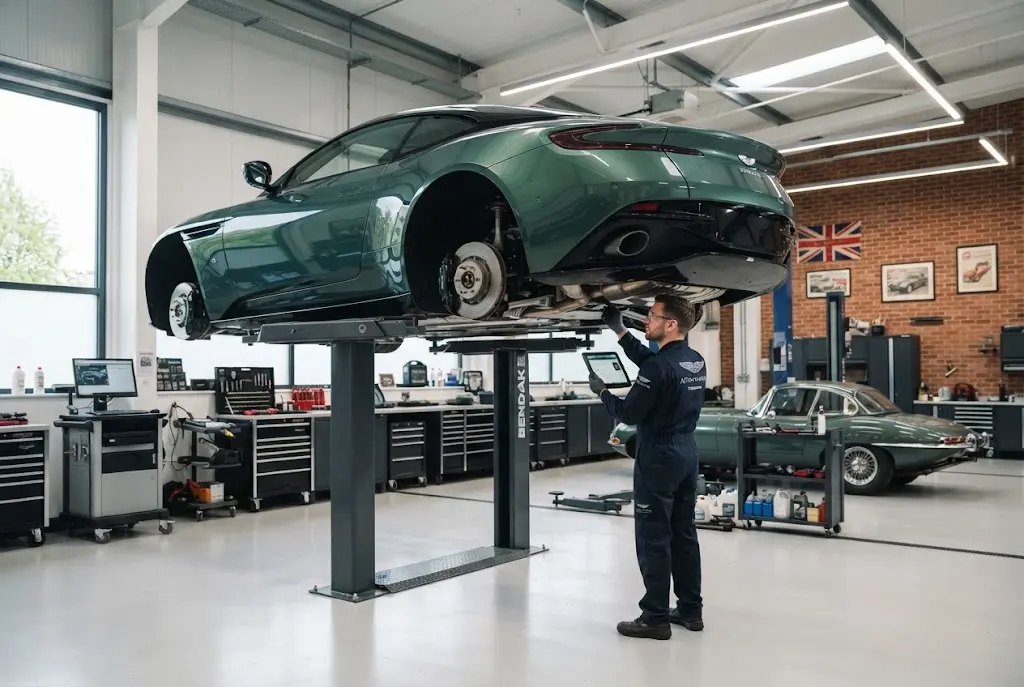

Correct wheel alignment plays an important role in vehicle handling, tyre wear and steering stability. For drivers of premium and performance vehicles, accurate alignment can be particularly important because sophisticated suspension systems, wider tyres and precise steering characteristics can make changes in geometry more noticeable.
Alignment problems can develop gradually or appear suddenly after hitting a pothole, kerb or other road obstacle. A vehicle may continue to drive, but uneven tyre wear, steering changes or a tendency to pull to one side can indicate that the wheel angles need professional assessment.
Understanding alignment, balancing and tracking can help UK motorists recognise the warning signs and choose the right service before a small geometry problem leads to unnecessary tyre wear or compromised handling.
What Is Wheel Alignment?
Wheel alignment is the process of checking and, where necessary, adjusting the angles of a vehicle’s wheels and suspension according to the manufacturer’s specifications. It is different from wheel balancing, which addresses the distribution of weight within the tyre and wheel assembly.
Alignment geometry can involve several measurements, including toe and camber. Depending on the vehicle, caster and other suspension geometry measurements may also be relevant.
Michelin explains that alignment concerns the vehicle’s suspension and involves adjusting wheel angles to manufacturer specifications. It also notes that incorrect alignment can affect road holding and accelerate tyre wear. Michelin’s wheel alignment guidance provides further technical information for motorists. :contentReference[oaicite:0]{index=0}
Why Wheel Alignment Matters
When a vehicle’s geometry is correctly adjusted, its tyres can maintain the intended contact with the road while the suspension and steering operate as designed. If the geometry moves outside the recommended range, the effects can include uneven tyre wear, changes in steering response and altered vehicle behaviour.
The UK’s Highway Code specifically warns that excessive or uneven tyre wear can be caused by faults in braking or suspension systems or by wheels being out of alignment. It advises motorists to have such faults corrected as soon as possible. :contentReference[oaicite:1]{index=1}
For everyday cars, correcting alignment can help protect tyre life. For performance and luxury vehicles, it can also help preserve the handling characteristics expected from the vehicle.
Common Signs of Poor Wheel Alignment
Alignment problems are not always immediately obvious. However, several symptoms should encourage a driver to arrange a professional inspection.
- The vehicle pulls noticeably to one side
- The steering wheel is not centred when driving straight
- Tyres show uneven or accelerated wear
- The vehicle feels less stable than usual
- Steering response feels different
- Tyres appear to wear more heavily on one shoulder
- The vehicle behaves differently after hitting a pothole or kerb
None of these symptoms automatically proves that alignment is the cause. Tyre pressures, suspension wear, steering components and other mechanical issues can create similar behaviour. A proper inspection should therefore identify the underlying cause before adjustments are made.
Wheel Tracking and Alignment: Are They the Same?
The terms wheel tracking and wheel alignment are often used interchangeably, but the terminology can vary between garages and service providers.
Tracking traditionally refers particularly to the toe angle of the wheels, while a complete alignment service can involve a wider assessment of the vehicle’s geometry. Modern four-wheel alignment equipment can measure multiple angles and compare them with the manufacturer’s specifications.
For drivers, the important point is to establish exactly what a garage’s quoted service includes. If a vehicle has a complex suspension system, asking for a complete geometry check may be more appropriate than simply requesting a basic tracking adjustment.
Toe, Camber and Other Alignment Angles
Understanding the basic alignment measurements can make workshop recommendations easier to evaluate.
Toe Alignment
Toe describes the direction in which the wheels on an axle point relative to one another when viewed from above. Excessive toe deviation can contribute to uneven tyre wear and affect the way a vehicle responds to steering inputs.
A technician can measure toe using professional alignment equipment and determine whether adjustment is required.
Camber
Camber describes the inward or outward inclination of a wheel when viewed from the front of the vehicle. Excessive camber can cause accelerated wear on either the inner or outer part of the tyre tread.
Michelin identifies uneven shoulder wear as one possible indication of alignment problems and explains how excessive positive or negative camber can affect tyre wear. :contentReference[oaicite:2]{index=2}
Caster and Steering Geometry
Depending on the vehicle, caster can also influence steering feel, straight-line stability and steering self-centring. Not every vehicle provides the same adjustment possibilities, so technicians need to understand the manufacturer’s specified geometry rather than applying generic settings.
What Causes Alignment Problems?
UK roads can expose vehicles to potholes, uneven surfaces and kerbs, all of which can contribute to changes in wheel geometry.
A significant impact can bend or damage a wheel, affect suspension components or alter alignment settings. Even when there is no obvious visible damage, the vehicle may benefit from a geometry check if its handling changes following an impact.
Suspension wear can also contribute to alignment problems. Worn bushes, joints or other components may prevent the vehicle from maintaining the correct geometry. In such cases, simply adjusting alignment without repairing the underlying fault may not provide a lasting solution.
Wheel Balancing Versus Wheel Alignment
Wheel balancing and alignment solve different problems, although motorists sometimes confuse them.
The Wheel balancing addresses an imbalance in the tyre and wheel assembly. If the assembly contains unevenly distributed mass, a balancing machine can identify the imbalance and the technician can use appropriate weights to correct it.
Alignment, meanwhile, concerns the relationship between the wheels and suspension geometry.
Vibration at particular speeds is more commonly associated with wheel or tyre imbalance, while uneven tread wear or a vehicle pulling to one side can point towards an alignment issue. Michelin explains that wheel imbalance can produce vibrations through the steering wheel, floor, dashboard or seats. :contentReference[oaicite:3]{index=3}
Because symptoms can overlap, professional diagnosis is preferable to assuming that one service will solve every handling problem.
When Should You Have Wheel Alignment Checked?
There is no single mileage interval that applies to every vehicle. Alignment should be checked when there is a reason to suspect that the geometry has changed or when the manufacturer’s maintenance guidance recommends inspection.
Good opportunities for an alignment check can include:
- After hitting a significant pothole
- After striking a kerb
- Following certain suspension repairs
- After replacing relevant steering or suspension components
- When uneven tyre wear appears
- When the vehicle begins pulling to one side
- When steering behaviour changes
- When fitting new tyres, where appropriate
Michelin recommends checking alignment when motorists notice uneven tyre wear or changes in handling and also suggests checking it when new tyres are fitted. :contentReference[oaicite:4]{index=4}
Why New Tyres Can Reveal Alignment Problems
New tyres can make an existing geometry problem more apparent. A fresh set of tyres may initially feel different from the worn tyres they replace, but uneven wear can develop again if an underlying alignment issue remains unresolved.
This is why tyre fitting can be a useful opportunity to inspect the condition of the suspension and alignment. If the old tyres show significantly different wear patterns between their inner, centre and outer tread areas, the technician should investigate before assuming that normal wear is responsible.
Replacing tyres without addressing a significant alignment problem can lead to premature wear of the new set.
Precision Alignment for Luxury and Performance Cars
Precision alignment becomes particularly relevant for luxury and performance vehicles. These cars can have carefully engineered suspension geometry designed to balance comfort, stability and handling.
Performance vehicles may also use low-profile tyres, wider wheels and suspension settings that make tyre contact and steering response especially important. A small change in geometry can influence the way the car feels through corners or under braking.
Luxury vehicles can have similarly sophisticated suspension systems, including adaptive dampers, air suspension and electronically controlled components. The correct alignment process therefore needs to account for the vehicle’s specification and manufacturer’s procedures.
Performance Handling Depends on Correct Geometry
Performance handling is not determined by tyres alone. Suspension geometry, steering components, tyre pressures and vehicle weight distribution all contribute to the driving experience.
If the wheels are not positioned correctly relative to the vehicle, the driver may notice increased steering effort, inconsistent cornering behaviour or reduced straight-line stability.
For enthusiasts, correct geometry can also help ensure that expensive performance tyres are being used effectively. Uneven contact with the road can reduce usable tyre life and change the vehicle’s handling characteristics.
Luxury Vehicle Calibration and Modern Alignment Systems
Luxury vehicle calibration can involve more than traditional mechanical adjustments. Modern premium vehicles may incorporate advanced driver assistance systems, electronic steering and sophisticated suspension controls.
Some repairs or changes to suspension, steering, wheels or bodywork can therefore require additional calibration procedures depending on the manufacturer’s specifications.
Drivers should ask the workshop whether any electronic calibration is relevant after major suspension or steering work. A conventional alignment measurement may not address every system affected by a repair.
Why Four-Wheel Alignment Can Be Important
Some drivers associate alignment primarily with the front wheels. However, the geometry of the rear axle can also influence the vehicle’s overall behaviour.
A four-wheel alignment system can measure the relationship between front and rear wheel positions and identify whether the vehicle is tracking correctly. The exact service required depends on the vehicle’s suspension design and the adjustment options provided by the manufacturer.
For cars with sophisticated independent suspension, rear geometry can be particularly relevant to overall handling and tyre wear.
Wheel Alignment and Tyre Life
Tyres are among the most important safety components on a vehicle, and alignment can influence how evenly their tread wears.
When geometry is significantly incorrect, one section of the tread may experience more stress than intended. Over time, this can result in accelerated wear and potentially shorten the usable life of the tyre.
Michelin notes that misalignment can lead to premature tyre wear and recommends professional diagnosis and adjustment where appropriate. :contentReference[oaicite:5]{index=5}
Regularly inspecting tyre condition can therefore provide an early indication that something needs attention. Drivers should look across the full width of each tyre rather than checking only the outer shoulder.
Tyre Pressure Still Matters
Alignment should not be considered separately from basic tyre maintenance. Incorrect tyre pressures can also affect handling, braking and tyre wear.
The Highway Code advises motorists to maintain tyre pressures according to the vehicle manufacturer’s specification and recommends checking pressures regularly when tyres are cold. It also warns that incorrect inflation can adversely affect braking and steering. :contentReference[oaicite:6]{index=6}
This means a driver experiencing unusual handling should not automatically book an alignment without first checking the basics. Tyre pressure, tyre condition and visible suspension problems should all form part of the initial assessment.
Does an MOT Check Wheel Alignment?
An MOT checks specific safety and roadworthiness requirements, but it should not be treated as a comprehensive wheel geometry service.
The DVSA’s current MOT manual covers steering, wheels, tyres and suspension as separate inspection areas. Its steering inspection includes checking steering components and operation, while the wheels, tyres and suspension section addresses relevant roadworthiness conditions. :contentReference[oaicite:7]{index=7}
The Highway Code also makes clear that a vehicle can require attention even when it has passed its statutory test. GOV.UK advises motorists that they remain responsible for ensuring their vehicle is safe to drive. :contentReference[oaicite:8]{index=8}
Therefore, if your vehicle develops uneven tyre wear or steering symptoms after an MOT, you should arrange an appropriate inspection rather than assuming that the previous test confirms correct alignment.
Choosing a Professional Alignment Service
Not every workshop provides the same level of alignment equipment or expertise. When choosing a provider, motorists should consider several factors.
Ask About Alignment Equipment
Professional alignment equipment can measure the relevant geometry accurately. Ask what type of alignment service the workshop provides and whether it can work with your vehicle’s wheel and suspension configuration.
Check Manufacturer Specifications
A quality alignment service should compare measurements with appropriate manufacturer specifications. Generic settings may not be suitable for every model, especially performance and luxury vehicles.
Inspect Suspension Components First
If a suspension component is worn or damaged, adjusting the geometry may not resolve the underlying problem. A competent technician should identify relevant mechanical issues before completing the alignment.
Request a Before-and-After Report
For premium vehicles, asking for alignment measurements before and after adjustment can provide useful evidence of the work completed. It also makes it easier to understand whether the vehicle required significant correction.
How Roads Can Affect Alignment
British road conditions can make wheel and suspension checks particularly worthwhile. Potholes and kerb impacts can produce forces that the driver may not immediately notice.
A minor impact may leave the vehicle apparently normal while changing a wheel angle or damaging a component. If the vehicle subsequently begins to pull, the steering wheel is no longer centred or tyre wear changes, an alignment inspection can help identify the cause.
Drivers should also be aware that repeated impacts can contribute to suspension wear over time. Alignment is therefore one part of a broader vehicle maintenance strategy.
Wheel Alignment for EVs and Hybrid Vehicles
Alignment is relevant to electrified vehicles as well as conventional cars. In fact, the weight and instant torque characteristics of some electric vehicles can make tyre condition particularly important.
Luxury EVs can also use large wheels, low-profile tyres and sophisticated suspension systems. Correct geometry can help maintain predictable handling and reduce avoidable tyre wear.
Owners who are arranging EV servicing or hybrid servicing should consider mentioning any steering or tyre-wear symptoms during the appointment. A service provider may then determine whether an alignment inspection is appropriate.
How Alignment Fits Into Premium Vehicle Care
For owners of luxury cars, wheel alignment should be considered part of the wider maintenance picture rather than an occasional tyre-shop service.
Premium vehicles often depend on carefully engineered suspension geometry to deliver their intended balance of ride comfort, steering response and stability. Maintaining that geometry can support the characteristics that owners expect from the vehicle.
This is also why choosing the right automotive service companies matters. A provider with experience in premium and performance vehicles may be better placed to understand manufacturer-specific alignment requirements.
When to Seek Immediate Professional Advice
Some handling changes should not be ignored. If a vehicle suddenly pulls strongly to one side, develops severe steering vibration, suffers obvious tyre damage or experiences a significant impact, it should be assessed before continued normal driving where safety may be compromised.
GOV.UK advises motorists that a vehicle can be unsafe even when it has a current MOT certificate and recommends checking important safety-related components before driving. :contentReference[oaicite:9]{index=9}
If you are unsure whether a vehicle remains safe after an impact, seek professional advice rather than relying solely on a visual inspection.
Choosing the Right Wheel Alignment Service
Correct wheel alignment supports more than straight steering. It can contribute to predictable handling, even tyre wear and the driving characteristics intended by the vehicle manufacturer.
For everyday cars, a professional geometry check can help identify problems before they unnecessarily shorten tyre life. For luxury and performance vehicles, precision becomes even more important because suspension and steering systems are often designed around specific geometry settings.
Drivers should pay attention to uneven tyre wear, steering changes and the effects of pothole or kerb impacts. When symptoms appear, a professional inspection can determine whether alignment, balancing, tyre pressure, suspension components or another issue is responsible.
Ultimately, the best approach is preventative. Combine regular tyre inspections with manufacturer-recommended maintenance and use a qualified workshop when alignment or steering geometry needs to be checked. That approach can help protect tyre investment, maintain handling and keep a premium vehicle performing as intended on Britain’s roads.