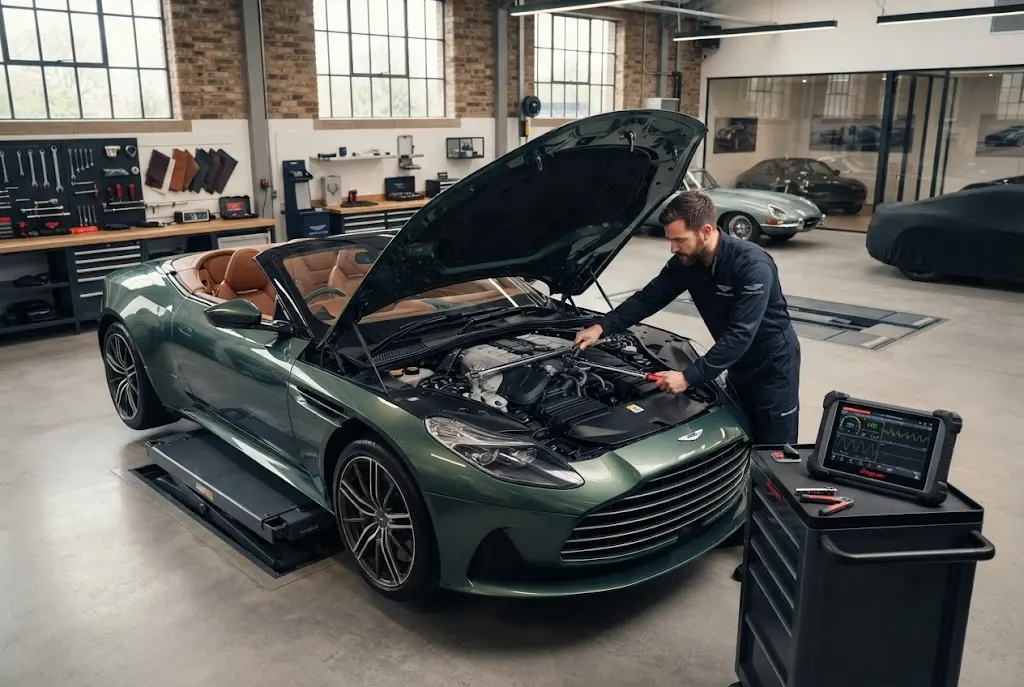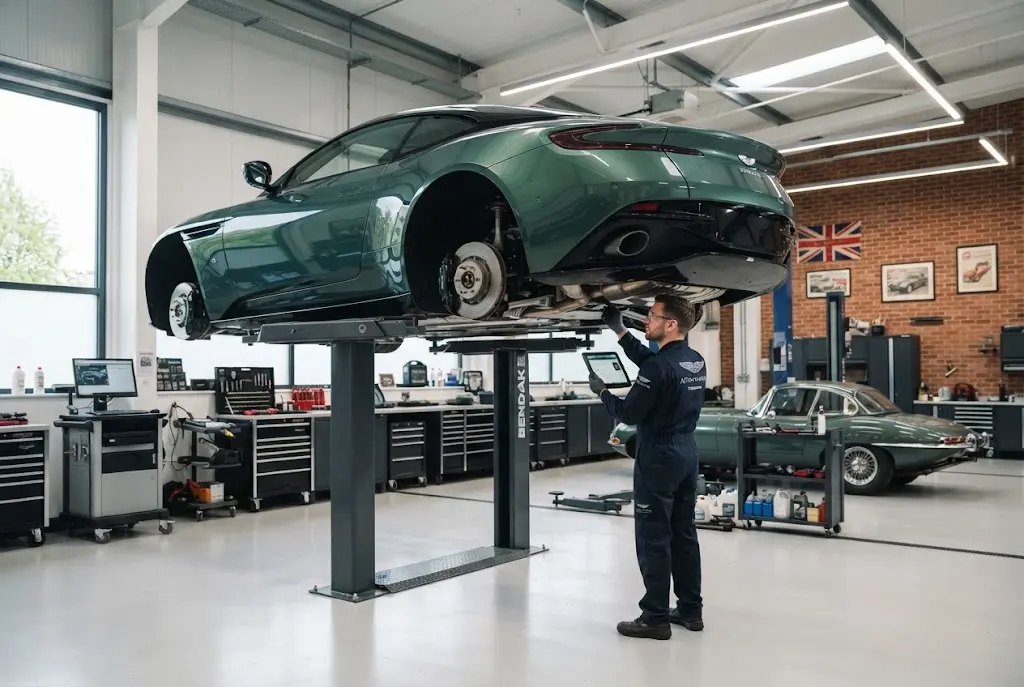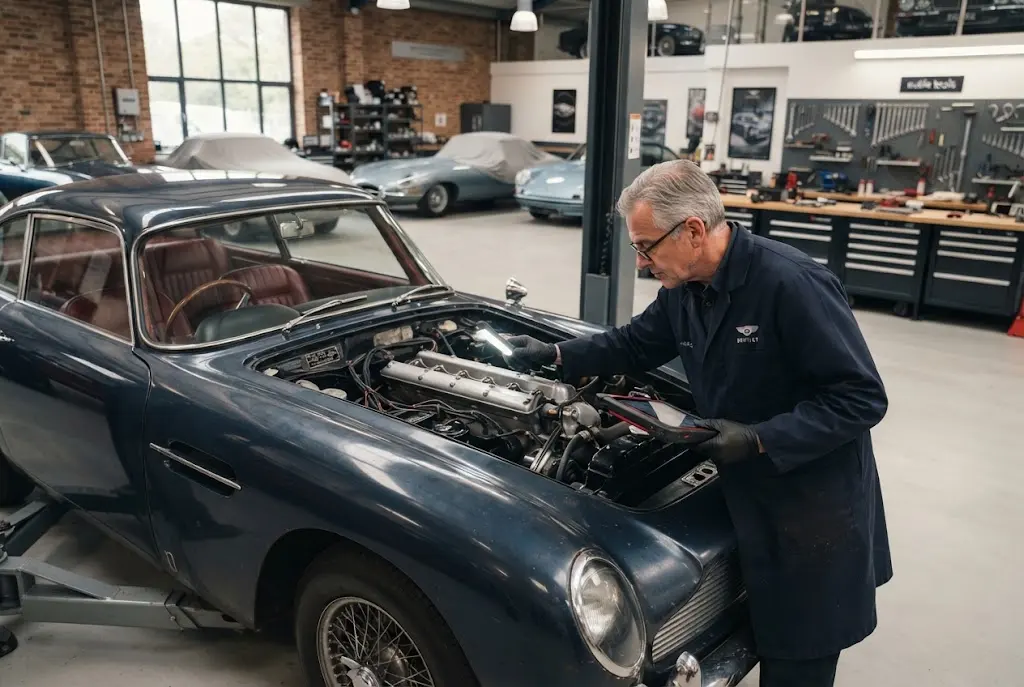

Car servicing is an essential part of responsible vehicle ownership, but for luxury and executive cars, the experience can involve far more than simply completing a checklist. Premium vehicles often combine sophisticated engineering, advanced electronics, performance-focused components and carefully designed interiors. Keeping them in excellent condition therefore requires a considered approach to servicing, maintenance and long-term care.
For owners of prestige vehicles, regular servicing can help maintain reliability, identify developing issues and preserve a detailed service history. More importantly, the right approach can make ownership easier by ensuring maintenance is planned around the vehicle rather than left until a problem becomes disruptive.
Why Car Servicing Matters for Luxury Vehicles
Luxury vehicles are designed to deliver refinement, performance and comfort. However, these qualities depend on numerous mechanical and electronic systems working together correctly. Engine components, transmission systems, brakes, suspension, tyres, fluids and electronic equipment all require appropriate attention throughout the vehicle’s life.
Routine car servicing provides an opportunity to inspect these areas according to the vehicle’s recommended maintenance schedule. It can also give technicians an opportunity to identify signs of wear that may not yet be obvious during everyday driving.
For premium ownership, this preventative approach is especially valuable. Addressing a developing issue early may help reduce the risk of a more serious fault later, while consistent servicing helps maintain an accurate record of how the vehicle has been cared for.
Understanding Different Levels of Car Servicing
Not every service is the same. Manufacturers may specify different service levels depending on mileage, time, vehicle condition and previous maintenance. Understanding these distinctions can help owners choose the appropriate appointment.
Interim Service
An interim service is generally suited to vehicles that require more frequent attention between larger scheduled services. It can include key checks and maintenance items designed to monitor the vehicle’s condition and address routine requirements.
The exact work varies according to the manufacturer and vehicle. Owners should therefore use the vehicle’s service schedule as the primary guide rather than assuming every workshop uses an identical checklist.
Full Car Service
A full car service provides a more comprehensive inspection and maintenance appointment. Depending on the vehicle, it may involve checks of important mechanical systems, fluids, filters, brakes, tyres and other components.
For an executive or luxury vehicle used regularly, keeping full services on schedule can form an important part of long-term ownership care. It also helps create continuity in the vehicle’s maintenance record.
Major Service
A major service generally involves a broader range of maintenance tasks and may coincide with specific mileage or time intervals set by the manufacturer. Certain components may require inspection or replacement at these intervals because their maintenance requirements differ from those covered by routine servicing.
Rather than choosing a major service simply because it sounds more comprehensive, owners should check the manufacturer’s maintenance requirements and discuss the vehicle’s history with a qualified professional.
What Makes Prestige Servicing Different?
Prestige servicing is often about combining technical maintenance with a higher level of attention to the vehicle’s individual requirements. Luxury cars can have model-specific systems, specialist components and complex technology, making accurate diagnosis and careful workmanship particularly important.
A premium workshop should be able to explain recommended work clearly and distinguish between essential maintenance, preventative recommendations and items that can reasonably be monitored. This gives the owner greater control over maintenance decisions.
Attention to detail also matters. A luxury vehicle’s condition is influenced by more than its engine and transmission. Tyres, wheels, brakes, paintwork, trim and interior surfaces all contribute to the overall ownership experience.
Preparing for a Premium Car Service
Owners can make the servicing process more useful by providing relevant information before the appointment. If the vehicle has developed a new noise, vibration, warning light or change in performance, these observations should be mentioned to the technician.
It is also helpful to provide previous service information where available. A clear service history can help technicians understand which maintenance tasks have already been completed and which may be approaching their recommended interval.
Before booking, owners can also check whether the vehicle is approaching a scheduled service milestone. Combining routine servicing with broader vehicle maintenance planning can make ownership more predictable and reduce the chance of overlooking important work.
How Servicing Supports Luxury Ownership
Luxury ownership comes with expectations of comfort, reliability and consistent performance. Regular maintenance supports these expectations by keeping essential vehicle systems under review.
For example, worn tyres can affect handling and ride quality, while brake wear can influence stopping performance. Fluid levels and condition can also matter to the operation of various systems. Meanwhile, warning lights should not be ignored simply because the vehicle continues to drive normally.
A servicing programme provides a structured opportunity to address these areas. It is not a guarantee that faults will never occur, but it can help owners manage the vehicle proactively.
For a broader look at ongoing care between scheduled services, the guide to premium vehicle maintenance can be used alongside this servicing guide.
The Importance of Specialist Diagnostics
Modern luxury vehicles depend heavily on electronic systems. A warning message may relate to a sensor, control module, electrical connection or another component rather than an obvious mechanical failure.
Accurate diagnostics can therefore be an important part of premium servicing. Instead of replacing parts based solely on symptoms, technicians can investigate the available information and work towards identifying the underlying cause.
This approach can help prevent unnecessary repairs and provide owners with a clearer explanation of what their vehicle actually needs.
Car Servicing and Service History
A detailed service history is one of the most useful records an owner can maintain. It provides a chronological picture of servicing, repairs and maintenance carried out during the vehicle’s life.
For current ownership, this information helps with future planning. If a particular component was replaced previously, for example, the record can help inform later maintenance decisions. It can also give technicians useful background when diagnosing a new problem.
Service history may become particularly valuable if the vehicle is eventually sold. Prospective buyers can use maintenance records as part of their assessment of how consistently the vehicle has been looked after.
Combining Car Servicing With Preventive Maintenance
Scheduled servicing should not necessarily be treated as the only time a vehicle receives attention. Preventive maintenance between service intervals can also form part of a responsible ownership strategy.
Owners can remain alert to changes in tyre condition, braking performance, fluid levels, battery behaviour and unusual sounds. Seasonal checks may also be useful, particularly when preparing a vehicle for long journeys or changing driving conditions.
This does not mean servicing should be performed unnecessarily often. Instead, the goal is to follow the manufacturer’s schedule while responding appropriately to signs of wear or changing vehicle requirements.
Concierge Servicing and Convenience
For busy owners, convenience can be an important part of the premium servicing experience. Executive drivers may have demanding work schedules and limited time available for vehicle maintenance.
Concierge-style servicing can focus on making the process more organised, with clear communication around booking, inspection findings and required work. However, convenience should always sit alongside sound technical standards.
A genuinely premium experience should provide both efficient service and confidence that the vehicle is receiving appropriate attention.
When Car Servicing Reveals a Repair Requirement
One benefit of a thorough service is that it may reveal issues that need further investigation or repair. A technician might identify worn components, fluid leaks, tyre problems, brake wear or an electronic fault during inspection.
When that happens, the owner should receive a clear explanation of the issue and its significance. Some repairs may require immediate attention, while others may be suitable for future planning.
When a more substantial fault is identified, specialist auto repair services may be the appropriate next step. Keeping servicing and repair work connected helps maintain continuity throughout the vehicle’s ownership journey.
Car Servicing and MOT Planning
Servicing and the MOT serve different purposes, although planning them together can make annual vehicle care easier. A service focuses on maintenance, while an MOT assesses whether the vehicle meets specific legal requirements at the time of testing.
Owners should not assume that passing an MOT means a vehicle has received a complete service. Likewise, completing a service does not remove the requirement for an MOT when one is legally due.
Planning both appointments together can nevertheless be convenient. Our guide to MOT and service planning covers the relationship between these two aspects of vehicle ownership.
How to Choose the Right Premium Workshop
Choosing a servicing provider should involve more than comparing prices. Owners should consider the workshop’s experience, diagnostic capabilities, communication standards and familiarity with the type of vehicle being maintained.
It is also worth asking how the workshop records completed work. Clear invoices and service documentation can contribute to a stronger maintenance history and make future servicing easier to manage.
For luxury and executive vehicles, attention to detail should also extend to how the vehicle is handled during its visit. A professional approach should respect the condition and finish of the car while maintaining appropriate technical standards.
Creating a Long-Term Servicing Strategy
The best car servicing strategy is one that fits the vehicle’s actual requirements. Owners should follow manufacturer recommendations, keep accurate records and respond promptly to unusual changes in vehicle behaviour.
A long-term plan can combine scheduled servicing, preventative maintenance, specialist diagnostics and repairs when necessary. For owners approaching their annual testing requirements, MOT planning can also be incorporated into the same ownership calendar.
This structured approach helps turn vehicle care from a reactive task into an organised part of premium ownership. It can also make maintenance costs easier to anticipate because upcoming requirements are identified earlier.
Frequently Asked Questions About Car Servicing
How often should a luxury car have a service?
The correct interval depends on the manufacturer, model, age, mileage and usage of the vehicle. Owners should follow the manufacturer’s recommended schedule and seek professional advice if the vehicle is used under demanding conditions.
What is the difference between an interim and full service?
An interim service is generally a shorter maintenance appointment intended to provide additional checks between larger services. A full service is typically more comprehensive. The exact inspection and maintenance items depend on the vehicle and manufacturer.
Does an MOT replace a car service?
No. An MOT and a service have different purposes. An MOT assesses specific legal safety and environmental requirements, while servicing focuses on maintaining the vehicle and its components.
Why should I keep my service history?
A service history provides a record of maintenance and repairs. It can help with future servicing decisions, assist technicians with vehicle history and provide useful documentation if the vehicle is sold.
Can servicing prevent major vehicle problems?
Regular servicing and preventative maintenance can help identify developing issues earlier, although no maintenance programme can guarantee that a vehicle will never experience a fault.
For official information on MOT requirements and testing, motorists can consult the GOV.UK MOT guidance.