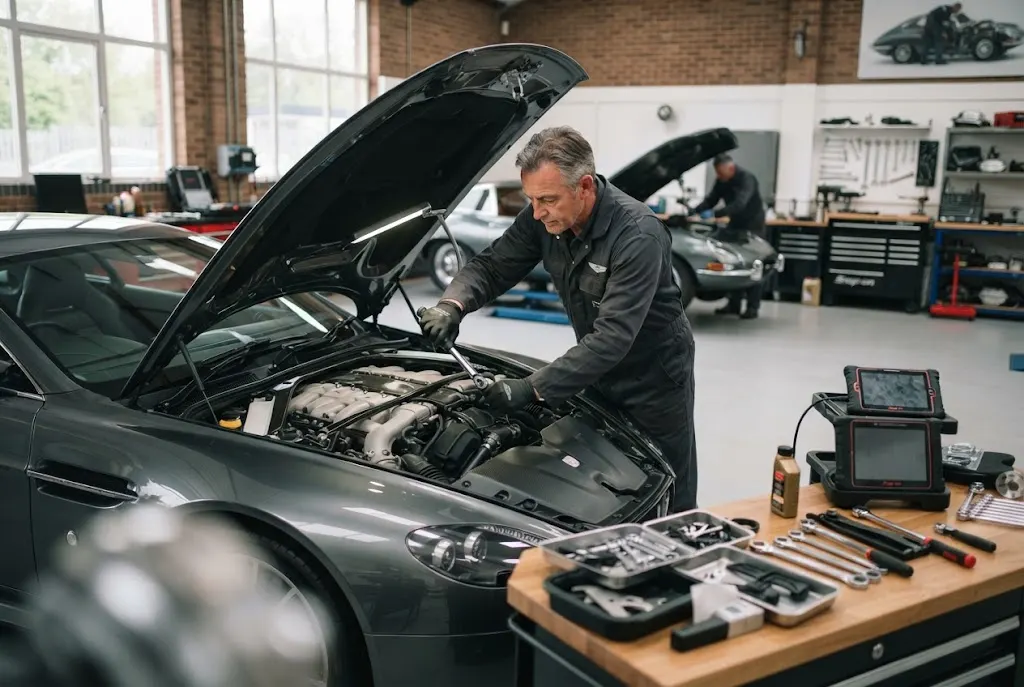

True automotive craftsmanship is about far more than repairing a vehicle when something goes wrong. It combines technical knowledge, precision, patience and an appreciation for how a vehicle was designed to perform. For owners of luxury, performance, prestige and heritage cars, this approach can make a meaningful difference to reliability, presentation and long-term preservation.
Modern vehicles increasingly depend on sophisticated technology, but premium cars still benefit from the human expertise behind their maintenance. Skilled technicians need to understand engineering principles, manufacturer specifications, materials and the individual characteristics of the vehicle. When these elements come together, servicing becomes more than routine maintenance; it becomes a disciplined form of vehicle care.
What Automotive Craftsmanship Really Means
Automotive craftsmanship describes a careful approach to vehicle maintenance, repair, restoration and preservation where quality and precision are prioritised over simply completing a job as quickly as possible.
Craftsmanship can be seen in many areas of automotive work. It may involve accurately diagnosing a complex fault, completing mechanical work to a high standard, restoring an older component or taking exceptional care when working with a valuable vehicle.
The principle is straightforward: understand the vehicle, identify what it genuinely requires and carry out the work with appropriate skill and attention to detail.
This philosophy is particularly relevant to premium vehicles because their engineering, materials and finishes can require a more considered approach.
The Role of Specialist Technicians
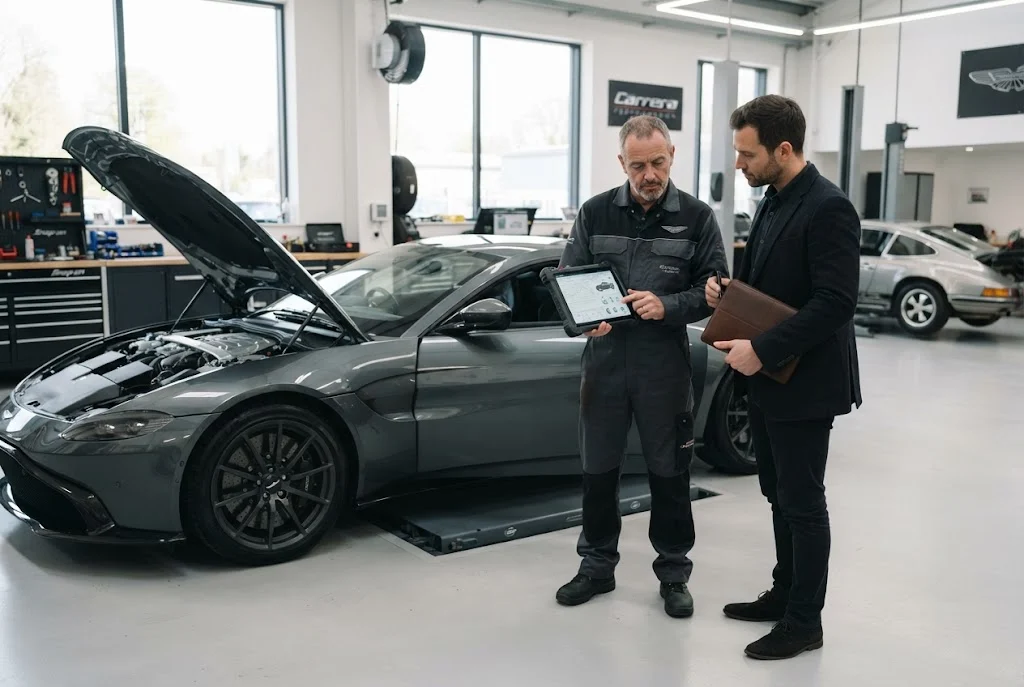
Specialist technicians are central to high-quality automotive work. Premium vehicles can incorporate sophisticated engines, advanced electronic systems, performance suspension, complex drivetrains and specialised components that require appropriate knowledge and diagnostic equipment.
Technical expertise is not limited to knowing how to replace a component. A skilled technician must also be able to understand symptoms, interpret diagnostic information and determine whether a particular issue is the root cause or merely a secondary symptom.
Experience can also help technicians recognise subtle changes in vehicle behaviour. Unusual noises, vibration, changes in performance or warning messages can sometimes provide valuable clues that require careful investigation rather than immediate parts replacement.
For prospective buyers, professional auto inspection services for premium cars can provide an independent assessment before ownership begins. This can help establish the vehicle’s condition and identify areas that deserve further attention.
Luxury Workshops and Precision Work
Luxury workshops are designed to provide an appropriate environment for vehicles that demand specialist attention. The quality of the facility matters because complex work may require dedicated diagnostic systems, specialist tools, controlled working conditions and technicians with relevant experience.
A premium workshop should also place importance on how a customer’s vehicle is handled. Protecting paintwork, interior materials and delicate components during maintenance demonstrates the same attention to detail that should be applied to the mechanical work itself.
Good workshop practice is therefore about more than appearance. Clean working methods, accurate documentation, appropriate equipment and careful communication all contribute to a professional ownership experience.
Precision Engineering Behind Premium Vehicles
Precision engineering is one of the defining characteristics of many premium and performance vehicles. Components are designed to work together within specific tolerances, and maintaining those characteristics requires appropriate technical understanding.
Routine servicing may appear straightforward, but the quality of the work can influence how the vehicle performs over time. Correct fluids, suitable components, accurate adjustments and proper diagnostic procedures all contribute to maintaining the vehicle as its engineers intended.
This is why owners should consider technical competence when selecting a service provider rather than focusing exclusively on price. A poorly executed repair can create additional costs and potentially compromise the characteristics that make a premium vehicle desirable.
Restoration Requires Patience and Understanding
Restoration presents a different challenge from routine servicing. An older vehicle may contain components, materials and construction methods that are no longer common in modern automotive workshops.
A successful restoration requires an understanding of the vehicle’s original design and an informed decision about what should be repaired, replaced or preserved. The objective is not necessarily to make every component look new. In many cases, preserving original features and appropriate signs of age can be an important part of the vehicle’s identity.
Owners of heritage and collector vehicles should therefore approach restoration carefully. Before major work begins, it can be useful to document the vehicle’s condition and establish which aspects are original.
Professional assessment can help identify priorities and prevent unnecessary work that could alter the character of the vehicle.
Heritage Servicing and Vehicle Preservation
Heritage servicing requires a particularly thoughtful approach. Classic and historically significant vehicles may need maintenance methods that differ from those used on contemporary cars.
Parts availability can also influence decisions. When an original component is unavailable, owners may need to consider whether a suitable replacement, sympathetic refurbishment or specialist fabrication is the most appropriate solution.
Preservation is often just as important as restoration. Keeping a vehicle’s original character intact can require careful storage, regular inspection and preventative maintenance even when the car is not driven frequently.
This is particularly relevant to vehicle preservation because deterioration can occur during periods of inactivity. Tyres, batteries, fluids, seals and other components can still require attention even when annual mileage is very low.
Handcrafted Excellence in Automotive Care
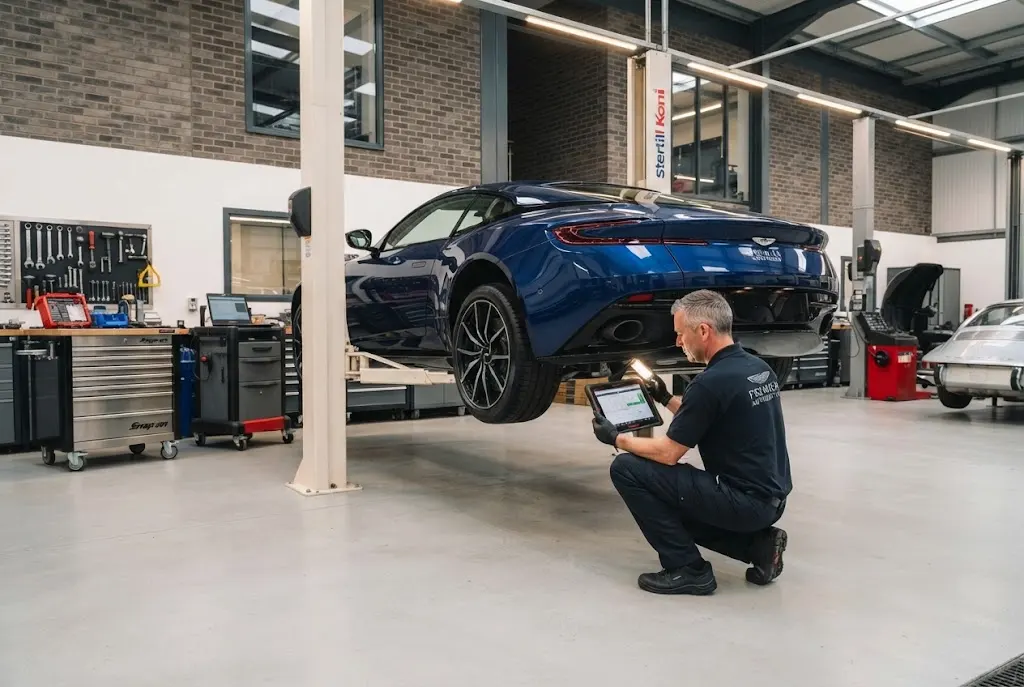
Handcrafted excellence does not necessarily mean that every task must be performed manually. Modern diagnostic technology and precision tools are valuable parts of professional automotive work.
The craftsmanship lies in knowing how and when to use those tools. Technology can identify diagnostic information, measure system performance and support accurate repairs, while human judgement remains important when interpreting findings and deciding on the appropriate course of action.
This combination of advanced equipment and experienced workmanship can be particularly valuable when working on premium vehicles with complex systems.
Craftsmanship Extends Beyond Mechanical Repairs
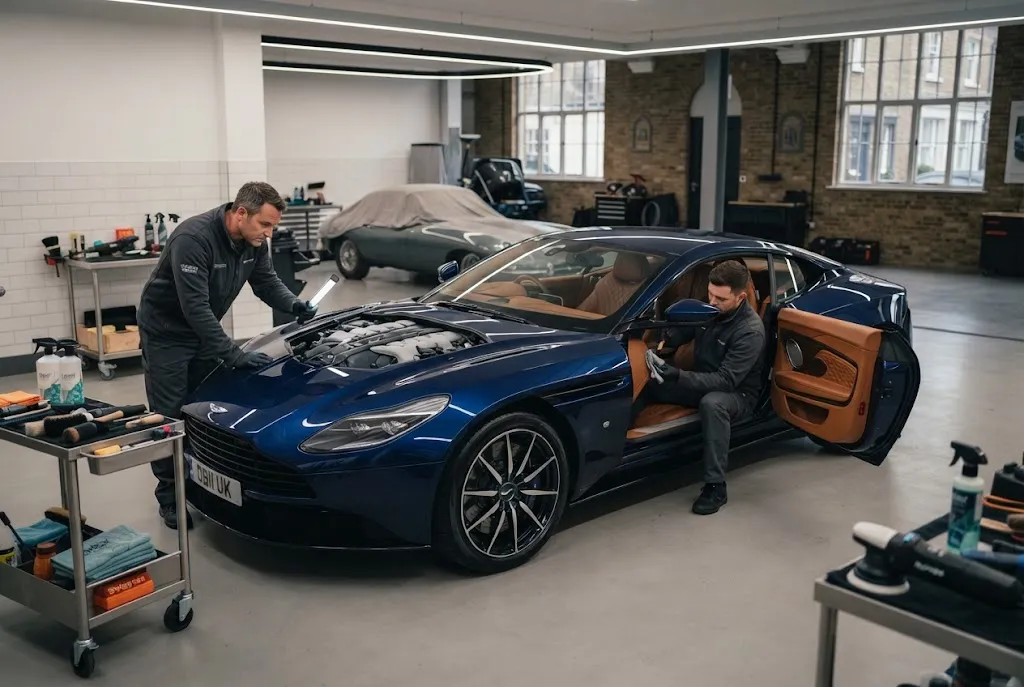
Automotive craftsmanship can also influence the cosmetic side of vehicle care. Paintwork, leather, trim, wheels and other visible elements contribute significantly to a premium vehicle’s overall presentation.
Professional auto care services for premium ownership can combine mechanical maintenance with appropriate detailing and preservation. The objective is to maintain the vehicle as a complete object rather than treating mechanical and cosmetic condition as unrelated concerns.
Careful detailing is particularly important when working with valuable vehicles. Aggressive cleaning methods or unsuitable products can potentially damage sensitive finishes, while appropriate techniques can help maintain the vehicle’s appearance.
Why Documentation Matters
Good craftsmanship should be supported by good documentation. Service records provide a history of what has been inspected, repaired, replaced or restored.
For premium and collector vehicles, this history can become an important part of the ownership record. It can help future technicians understand previous work and allow owners to plan upcoming maintenance more effectively.
Detailed records can also provide useful context when assessing the vehicle’s condition before a future sale. A documented history cannot guarantee a particular resale value, but it can demonstrate that the vehicle has received consistent attention.
Balancing Craftsmanship with Modern Convenience
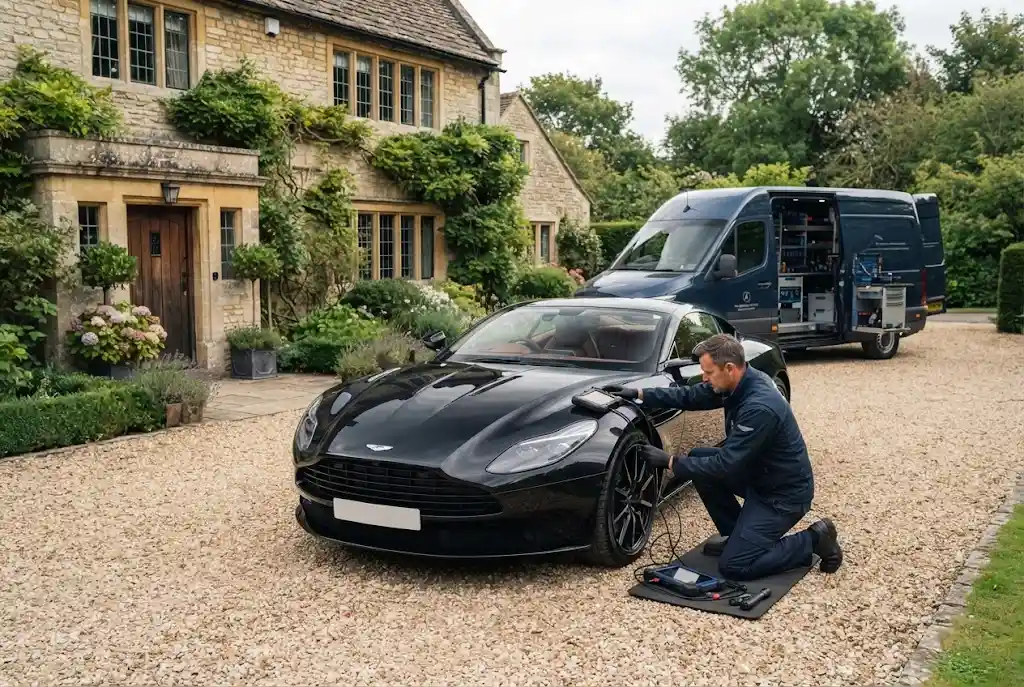
High-quality vehicle care does not necessarily have to be inconvenient. For appropriate maintenance requirements, a professional mobile auto service can bring suitable servicing directly to the owner’s home or workplace.
However, craftsmanship also means recognising when a job requires a dedicated workshop. Complex repairs, restoration projects and specialist diagnostic work may need equipment and facilities that cannot reasonably be provided at the roadside or at home.
The right approach is therefore to match the service environment to the work being performed. Convenience is valuable, but technical requirements should always come first.
Planning the Investment in Specialist Vehicle Care
Quality workmanship can carry a higher price because it may involve experienced technicians, specialist equipment, additional inspection time and carefully selected parts. Owners should consider these factors when evaluating car service costs for premium vehicles.
The objective should not be to spend as much as possible. Instead, owners should invest where expertise and quality genuinely matter. Routine work should remain proportionate to the vehicle’s requirements, while complex, valuable or technically demanding jobs deserve an appropriate level of specialist attention.
Preserving the Character of a Premium Vehicle
Every premium vehicle has characteristics that make it distinctive. These may include its engine, chassis, materials, design, performance or historical significance.
Preserving those qualities requires more than replacing worn components. It requires understanding what makes the vehicle special and avoiding unnecessary changes that could diminish its original character.
For collectors, this principle can be particularly important. A well-preserved vehicle can tell the story of its engineering and era, while sympathetic restoration can return an ageing vehicle to excellent condition without erasing its identity.
A Higher Standard of Automotive Care
Automotive craftsmanship represents a mindset in which every part of the vehicle deserves appropriate attention. From diagnosis and precision engineering to restoration, heritage servicing and preservation, the emphasis remains on doing the work correctly rather than simply completing it.
For premium car owners, this approach can support reliability, condition and long-term enjoyment. It can also create a stronger relationship between owner, technician and vehicle, particularly when specialist expertise is required.
Whether a vehicle is a modern luxury car, high-performance model, prestige executive vehicle or cherished collector example, quality workmanship can help protect what makes it valuable. The combination of specialist knowledge, appropriate technology and careful human judgement is what turns ordinary maintenance into genuine automotive craftsmanship.
For general information about motoring and vehicle-related responsibilities in the UK, motorists can also consult the official UK Government driving guidance.