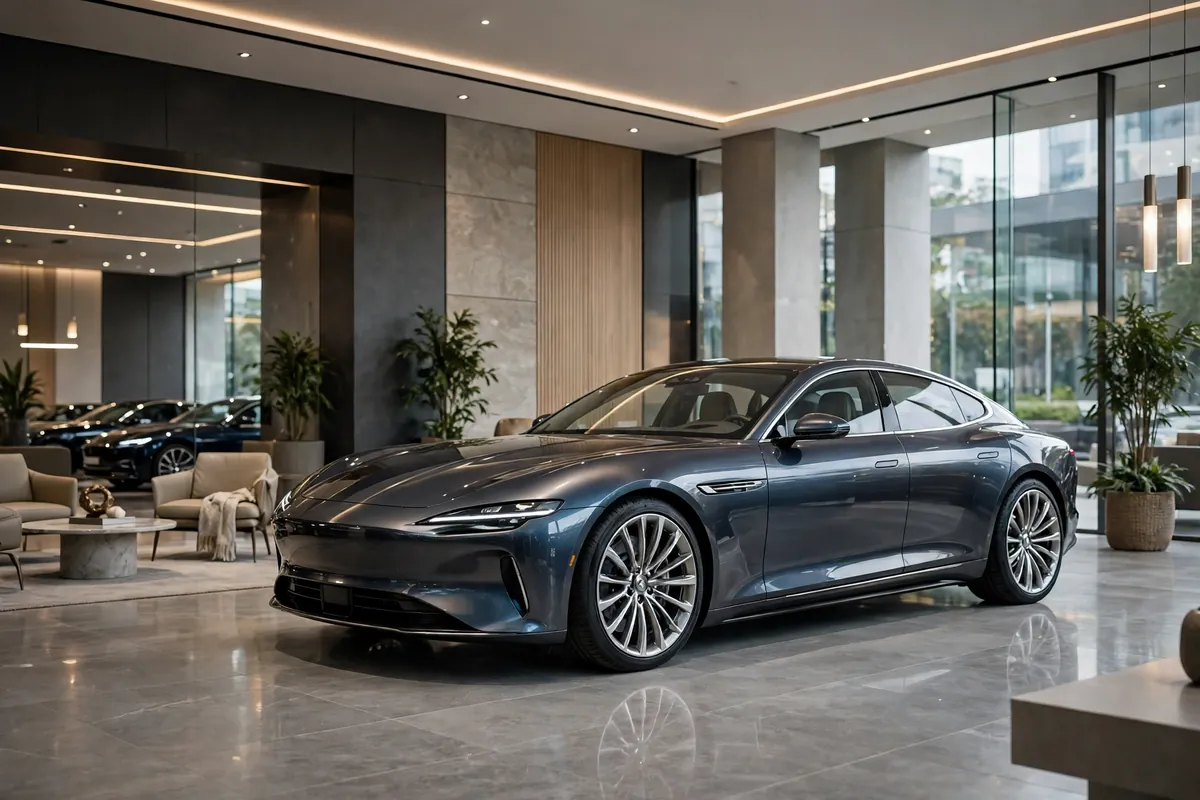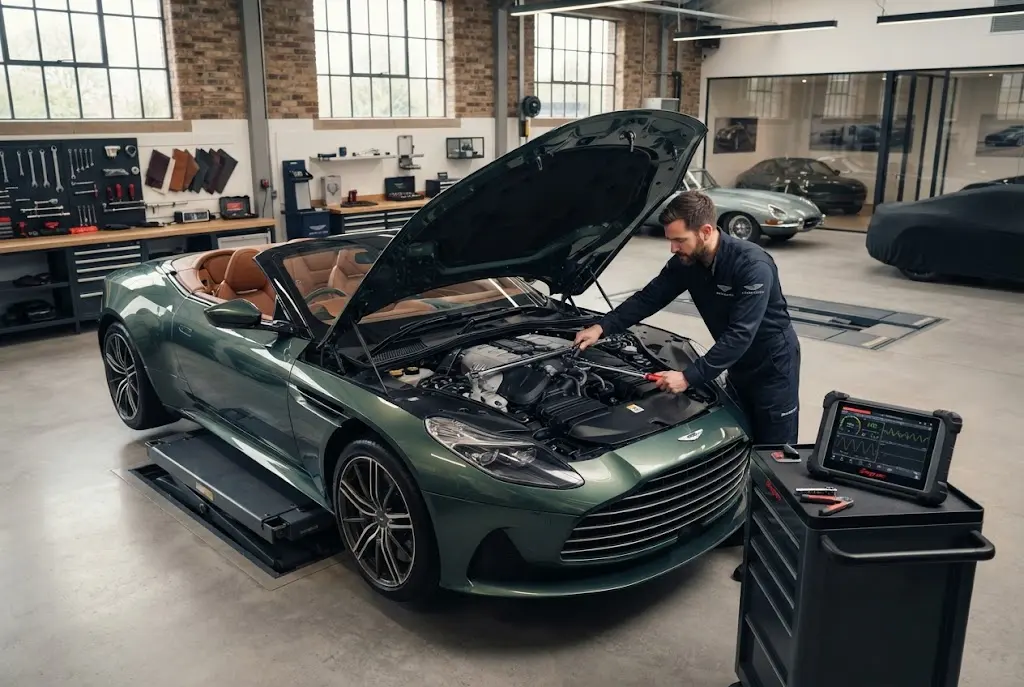

For owners of premium and luxury cars, appearance is not vanity — it is part of looking after a significant investment. That is why ceramic coating for cars has moved from a niche detailing extra to a mainstream consideration for prestige vehicles. A ceramic coating promises deeper gloss, easier washing and protection that lasts years rather than weeks. But it is not cheap, it is not magic, and it is not right for every car or every owner. This guide explains what a ceramic coating actually is, what it does and does not protect against, how it compares with wax, and how to care for a coated car so the investment pays off.
What ceramic coating for cars actually is
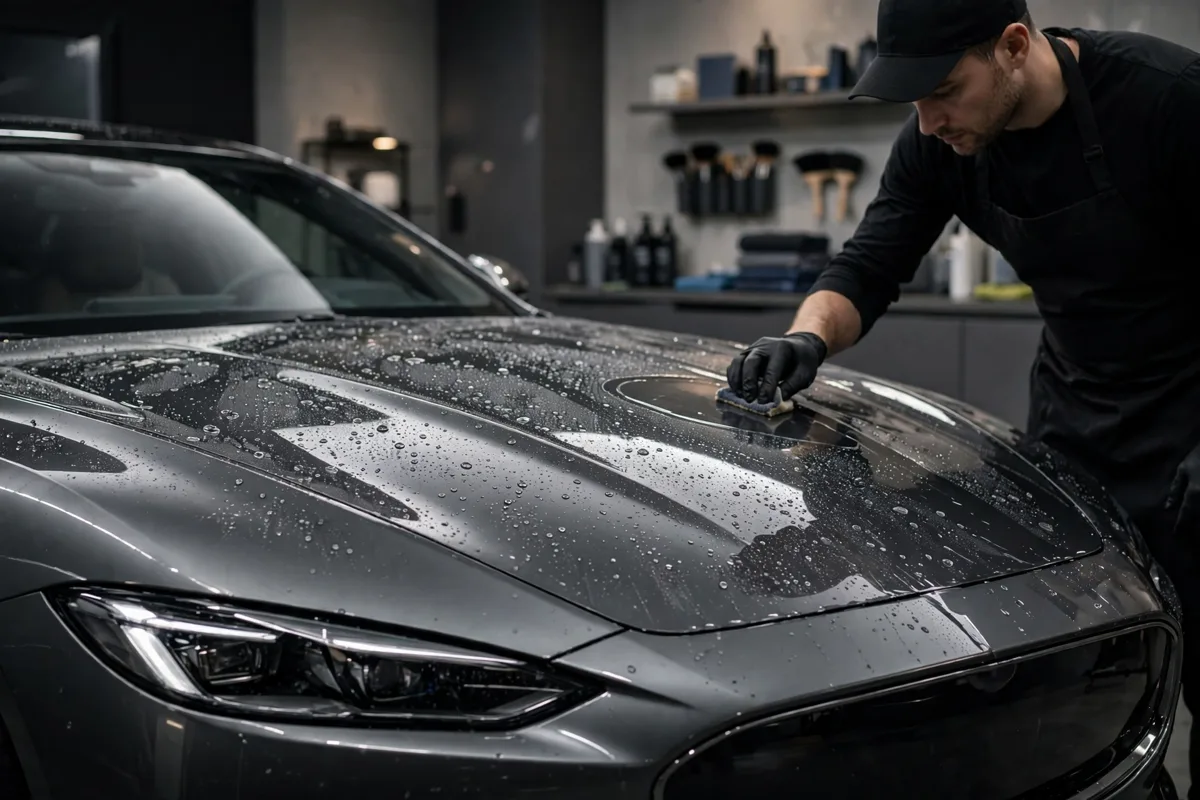
A ceramic coating is a liquid polymer, usually based on silicon dioxide, that is applied by hand to a car’s paintwork. As it cures it forms a semi-permanent chemical bond with the paint, creating a hard, transparent layer above the clear coat. Unlike wax, which sits on the surface and wears away in weeks, a properly applied coating becomes part of the surface and can last for years.
The visible effects are the ones owners notice first: water beads and sheets off the paint, dirt finds it harder to stick, and the gloss looks deeper, as if the car has just been detailed. For a car that is part of a considered luxury vehicle ownership experience, that lasting finish is the real appeal — the car looks freshly prepared far more of the time.
What it protects against — and what it does not
A ceramic coating protects against the everyday enemies of paintwork: UV light that fades colour, bird lime and tree sap that etch into unprotected clear coat, road grime, light chemical staining and the fine swirl marks that washing can cause. Its hydrophobic surface also means washing is quicker and gentler, which matters for soft prestige paint finishes.
It does not make a car scratch-proof. Stone chips, car park dents, key scratches and heavy abrasion will still damage the paint, coating or no coating. Any detailer who promises otherwise is overselling. Think of a coating as an exceptionally good suit of armour against weather and washing, not against impacts. Owners weighing protection options often compare it with paint protection film; the two do different jobs, and combining them is a conversation worth having with a specialist, ideally alongside your regular vehicle maintenance planning.
Ceramic coating versus wax and sealants
Traditional carnauba wax gives a warm glow that many enthusiasts love, but it is a short-lived pleasure measured in weeks. Synthetic sealants last longer, typically a few months. A ceramic coating outlasts both by a wide margin, and it does not need constant reapplication — instead it asks for correct washing and the occasional maintenance top-up recommended by the installer.
The trade-off is commitment. Wax can be applied at home in an afternoon; a coating demands meticulous preparation, a controlled environment and real skill, because any defect sealed beneath it is locked in until the coating is removed. That preparation is where much of the cost lies: the paint must be washed, decontaminated and usually machine-polished before a drop of coating is applied. On a premium car, that correction work alone can transform the finish, which is why reputable detailers build it into their premium car care services rather than treating coating as a quick add-on.
Is it worth it for a luxury or prestige car?
For a prestige car that is kept for several years, driven regularly and washed with care, a ceramic coating usually earns its cost: the paint stays younger, washing takes less effort, and strong presentation supports the car’s value when the time comes to sell — a point buyers of prestige used cars actively look for in a car’s history. For a car about to be sold, or one that lives under a cover and barely turns a wheel, the case is weaker; a good wax may be all it needs.
What matters most is the installer. Ask to see their work, ask which coating they use and what aftercare it needs, and be wary of prices that seem too good to be true: proper preparation cannot be rushed. A coating applied over unprepared paint is money wasted.
How long does a ceramic coating last?
Longevity claims vary widely, from a couple of years for entry-level products to much longer for professional multi-layer systems. Treat headline figures as a best case that assumes careful washing and garaged storage. In real British conditions — winter salt, motorway grime, summer UV — a well-maintained coating should keep its beading and gloss for several years before it needs professional refreshing. The honest way to judge is not the calendar but the behaviour of water on the bonnet: when beading turns flat and sheeting slows, the coating is tiring and a maintenance visit is due. Owners who build that check into an annual detailing appointment get the full value from the original application, rather than discovering the coating has quietly expired only when the paint starts to look dull.
Caring for a coated car
A coated car still needs washing — it just rewards gentle washing more. Use a pH-neutral shampoo, the two-bucket method or a careful pre-wash routine, and dry with soft microfibre rather than letting water spots bake on. Avoid harsh traffic film removers and automatic car washes with stiff brushes, which will dull any finish, coated or not.
Keep the rest of the car to the same standard: wheels, glass and tyres all contribute to the finished look, and fundamentals still apply — a beautifully coated car on poorly kept tyres lets itself down, so stay on top of essentials like wheel alignment and tyre condition as part of the same care routine.
Chosen well and applied properly, a ceramic coating is less a cosmetic luxury than a form of paint preservation. For the premium owner who intends to keep and enjoy the car, it is one of the most satisfying investments in its long-term presentation.