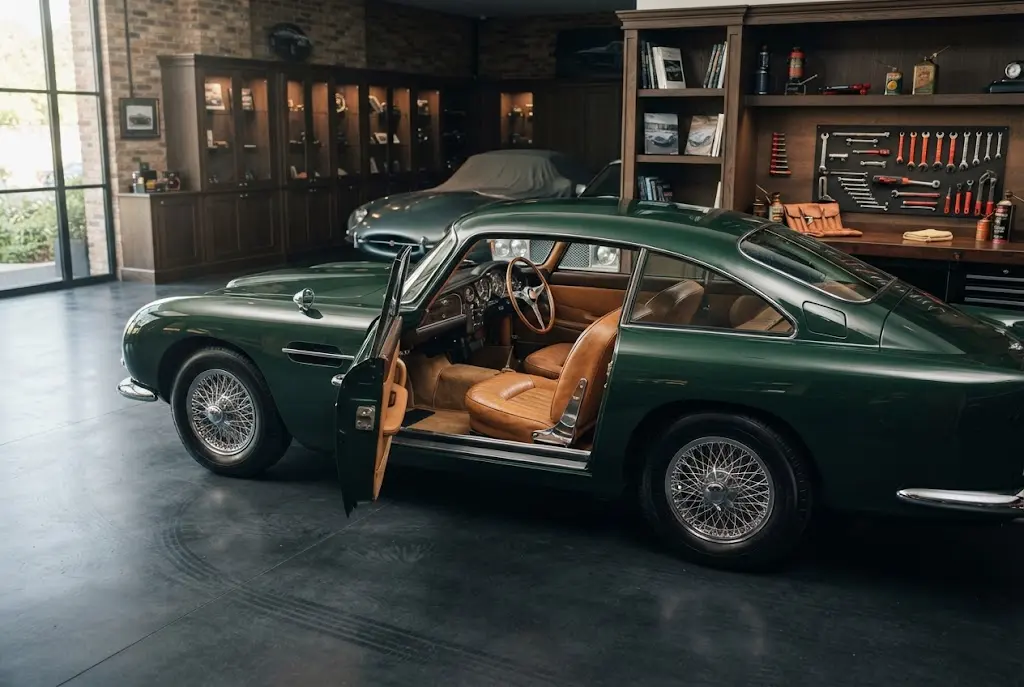

Luxury vehicle ownership involves more than choosing an impressive car and enjoying its performance. Premium vehicles often require a considered approach to maintenance, preservation, servicing and day-to-day care. Owners may also place greater importance on vehicle presentation, documented history, specialist expertise and protecting the condition of the car over many years.
Whether the vehicle is a modern executive saloon, high-performance model, grand tourer or heritage car, responsible ownership starts with understanding its particular requirements. A suitable maintenance routine can help owners manage running costs, identify developing issues and preserve the qualities that attracted them to the vehicle in the first place.
What Does Luxury Vehicle Ownership Involve?
Luxury vehicle ownership can mean different things to different drivers. For some, it is primarily about comfort and executive transport. For others, it may involve performance, craftsmanship, technology, exclusivity or collecting.
These different objectives influence how a vehicle should be maintained. A daily-use luxury car may need a strong focus on reliability and scheduled servicing, while a collector vehicle may require greater attention to preservation, originality and storage conditions.
Regardless of the ownership style, premium vehicles benefit from a maintenance strategy that reflects their age, mileage, specification and intended use.
Premium Maintenance Is Part of Ownership
Routine maintenance should not be viewed simply as an unavoidable expense. It is part of protecting the vehicle’s mechanical condition and ensuring that important components receive attention at appropriate intervals.
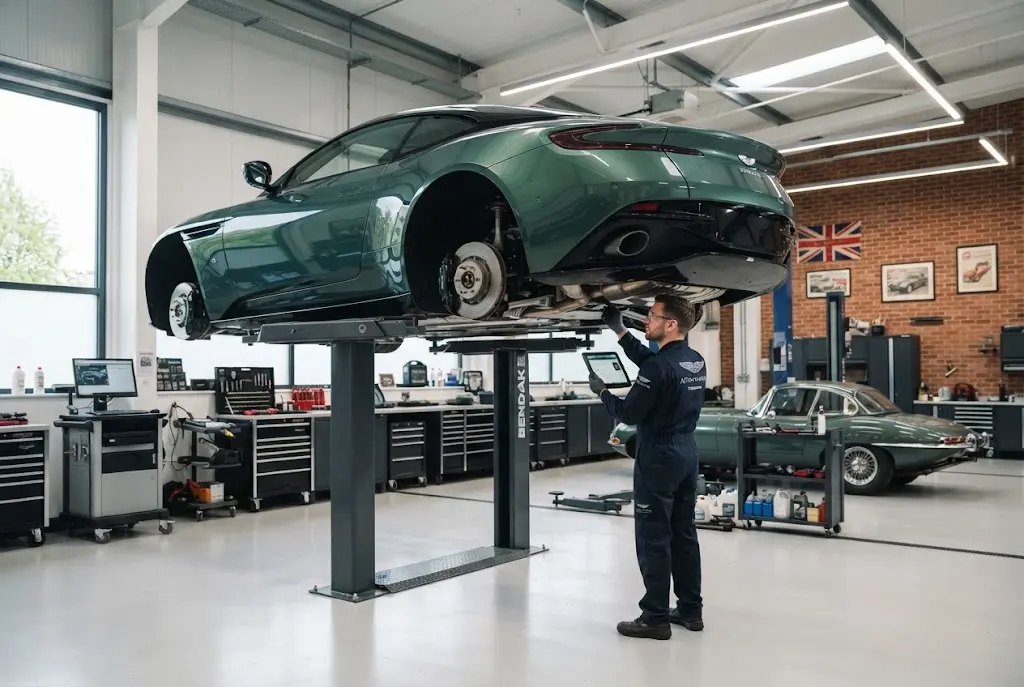
Oil, filters, brakes, tyres, fluids, suspension components and other systems all have maintenance requirements. Modern vehicles can also require electronic diagnostics and software-related procedures that were less common in previous generations.
Owners should therefore follow the manufacturer’s recommended maintenance schedule while also responding to changes in the vehicle’s condition. Unusual noises, warning lights, changes in braking or steering behaviour and fluid leaks should not be ignored simply because the next scheduled service is still some distance away.
Understanding car service cost can also help owners plan their maintenance budget and compare the value of different servicing approaches.
Preserving a Premium Vehicle’s Condition
Vehicle preservation becomes increasingly important when an owner intends to keep a luxury car for many years. Condition is influenced by more than mechanical maintenance. Paintwork, interior materials, wheels, trim and exterior components all contribute to the vehicle’s overall presentation.
Regular cleaning using appropriate products can help prevent contamination from becoming embedded in exterior surfaces. Interior materials should also be maintained according to their construction, particularly where leather, wood, metal trim or other premium finishes are involved.
Storage can matter as well. A vehicle kept for long periods should be protected from unnecessary exposure to moisture, extreme environmental conditions and avoidable contamination. Battery condition, tyre pressures and other storage-related considerations should also be incorporated into the ownership routine.
The Importance of Specialist Servicing
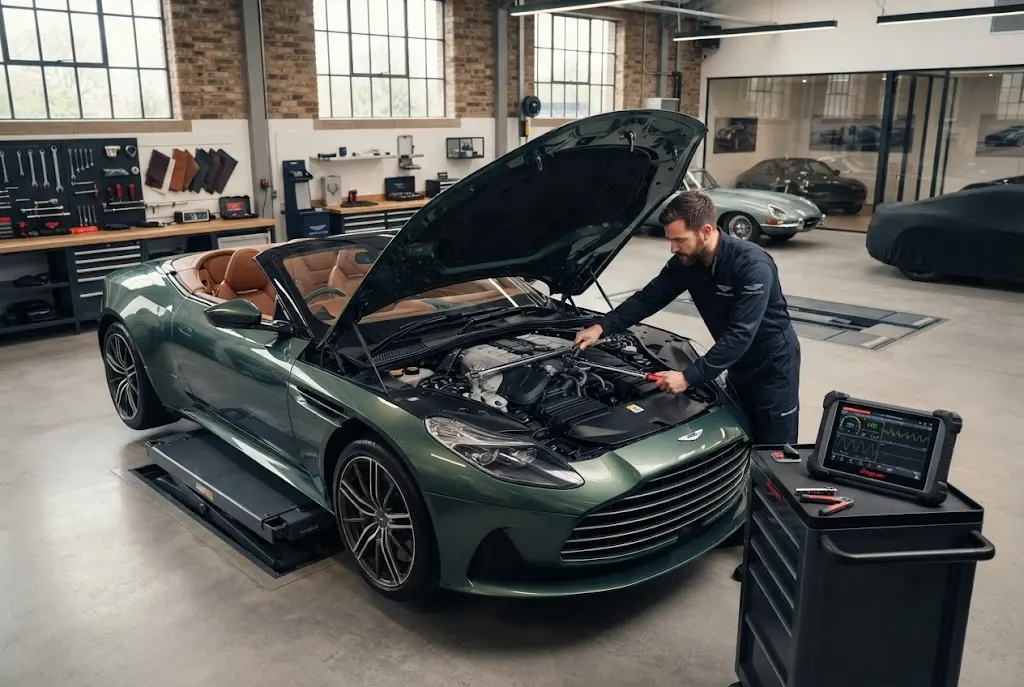
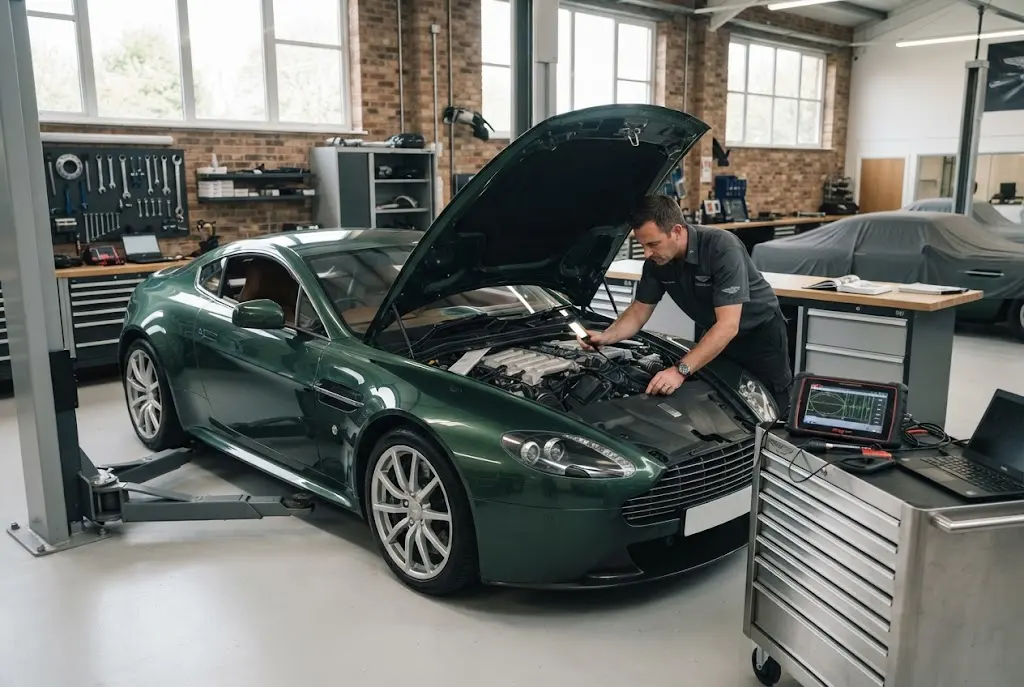
Specialist servicing can be useful when a vehicle has complex systems or specific manufacturer requirements. Technicians familiar with the relevant model may have experience with its diagnostic systems, common maintenance requirements and technical characteristics.
This can be particularly relevant for performance and luxury vehicles where incorrect procedures or unsuitable components may create avoidable problems.
Owners should not select a workshop solely because it describes itself as premium. Relevant experience, equipment, technician knowledge, communication and documentation are more useful factors to consider when evaluating a service provider.
The broader development of luxury automotive services demonstrates how modern specialist care increasingly combines traditional mechanical expertise with advanced diagnostics and a more detailed customer experience.
Building a Strong Ownership Experience
The ownership experience extends beyond mechanical reliability. For many premium-car owners, convenience, presentation and confidence in the vehicle are also important.
A well-organised maintenance schedule can reduce uncertainty. Owners know when routine servicing is due, which components may require attention and what work has already been completed.
Clear communication from a workshop can further improve the experience. When additional work is identified, owners should receive a straightforward explanation of the issue, its urgency and the potential consequences of delaying it.
This allows maintenance decisions to be based on information rather than pressure. It also helps owners distinguish essential repairs from preventative recommendations.
Luxury Vehicles as Executive Transport
Many premium vehicles serve a practical role as executive transport. Reliability, comfort and presentation can therefore become important considerations for business owners, professionals and drivers covering substantial distances.
Preventive maintenance can help reduce avoidable disruption. Keeping servicing up to date and addressing developing issues early can make it easier to plan journeys and manage the vehicle around work commitments.
For vehicles used regularly, owners should also monitor wear according to actual usage rather than assuming that a premium specification eliminates normal maintenance requirements. Luxury vehicles still experience tyre wear, brake wear, fluid degradation and other routine effects of driving.
Collector Vehicles and Long-Term Preservation
Collector vehicles introduce another dimension to premium ownership. In these cases, originality, history, restoration quality and documentation can become important parts of the vehicle’s identity.
Owners may choose to preserve original components where practical or ensure that restoration work remains appropriate to the vehicle’s character. Detailed records of maintenance and restoration can also help establish a clear history.
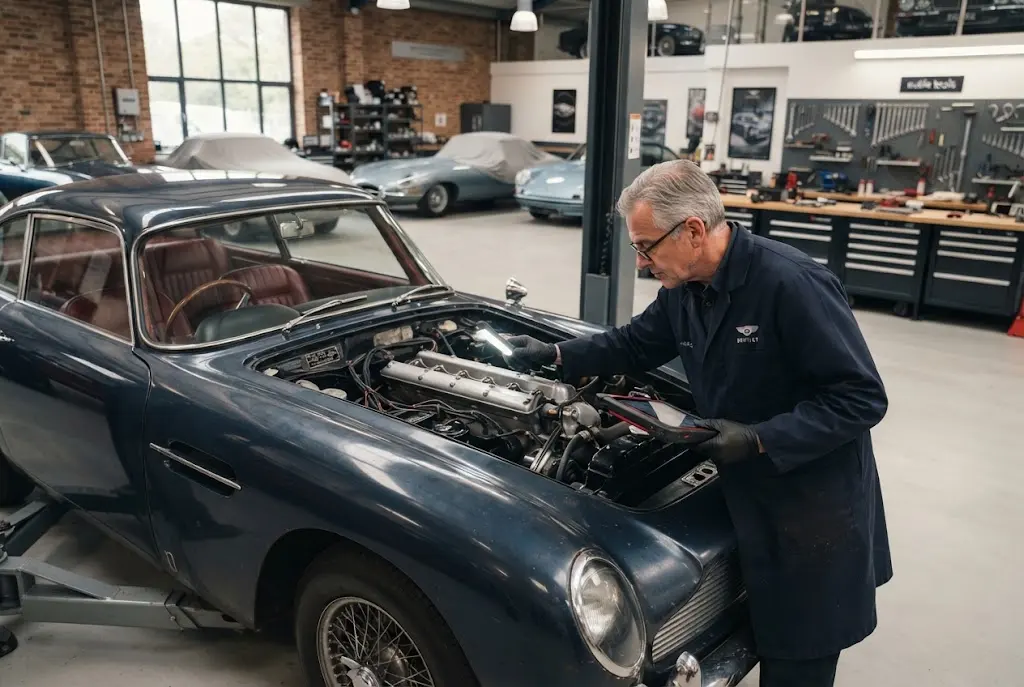
Before purchasing a collector vehicle, an independent auto inspection service can help identify areas requiring further investigation. A specialist inspection may assess condition, mechanical systems, bodywork and other relevant areas before a buyer commits to ownership.
Compliance and Regular Vehicle Checks
Luxury vehicle ownership also includes legal and safety responsibilities. In the UK, eligible vehicles must undergo an MOT according to the applicable requirements, but an MOT should not be treated as a replacement for regular maintenance.
The MOT checks specific safety and environmental standards at the time of testing. Owners remain responsible for keeping their vehicles roadworthy between tests.
For this reason, MOT dates should be incorporated into a wider maintenance calendar. A planned MOT and service routine can help owners keep statutory testing and manufacturer-recommended maintenance on separate but coordinated schedules.
Maintaining Documentation and Vehicle History
Good documentation is one of the simplest ways to strengthen long-term ownership records. Invoices, service records, inspection reports and information about significant repairs can create a useful history of the vehicle.
This becomes particularly relevant when the vehicle is eventually sold. A potential buyer may want to understand how consistently the car has been maintained and whether significant work has been documented.
Records can also help the current owner. When a vehicle moves between workshops or technicians, accurate information about previous work can make future maintenance planning easier and reduce unnecessary duplication.
Managing Long-Term Ownership Costs
Luxury vehicles can involve higher maintenance costs than mainstream models because of their specification, parts, technology and specialist labour requirements. However, owners can make these expenses more manageable through planning.
Regular servicing can help identify upcoming maintenance requirements before they become urgent. Owners can then budget for expected work rather than treating every maintenance requirement as an unexpected event.
It is also useful to separate routine costs from major repairs. A scheduled service, replacement tyres and brake work are different categories of expenditure from an unexpected mechanical or electronic failure. Understanding those differences can make long-term budgeting more realistic.
Supporting Ownership Excellence
Ownership excellence does not require treating every vehicle as a museum piece. It means understanding what the particular vehicle needs and maintaining it accordingly.
A modern luxury car used every day may require a practical focus on reliability, servicing and roadworthiness. A rare collector car may need a preservation-focused approach. Both can represent responsible premium ownership when maintenance decisions are aligned with the vehicle’s purpose.
Owners should also recognise that premium maintenance is not about replacing components unnecessarily. Good specialist care should identify what genuinely requires attention and explain why the work is recommended.
A Modern Approach to Luxury Vehicle Ownership
Luxury vehicle ownership is increasingly about balancing enjoyment with responsible long-term care. Premium vehicles can provide sophisticated technology, comfort, performance and craftsmanship, but maintaining those qualities requires an appropriate ownership strategy.
That strategy can include scheduled servicing, specialist inspections, regular condition checks, careful presentation, appropriate storage and accurate documentation. It should also include a clear understanding of MOT requirements and the distinction between statutory testing and preventative maintenance.
For owners who value their vehicles as long-term assets, the aim is not simply to keep the car running. It is to understand its condition, maintain it appropriately and preserve the qualities that make the vehicle worthwhile to own.
As premium motoring continues to evolve, this balanced approach can support a more informed and sustainable ownership experience across modern luxury cars, performance vehicles and collector models.