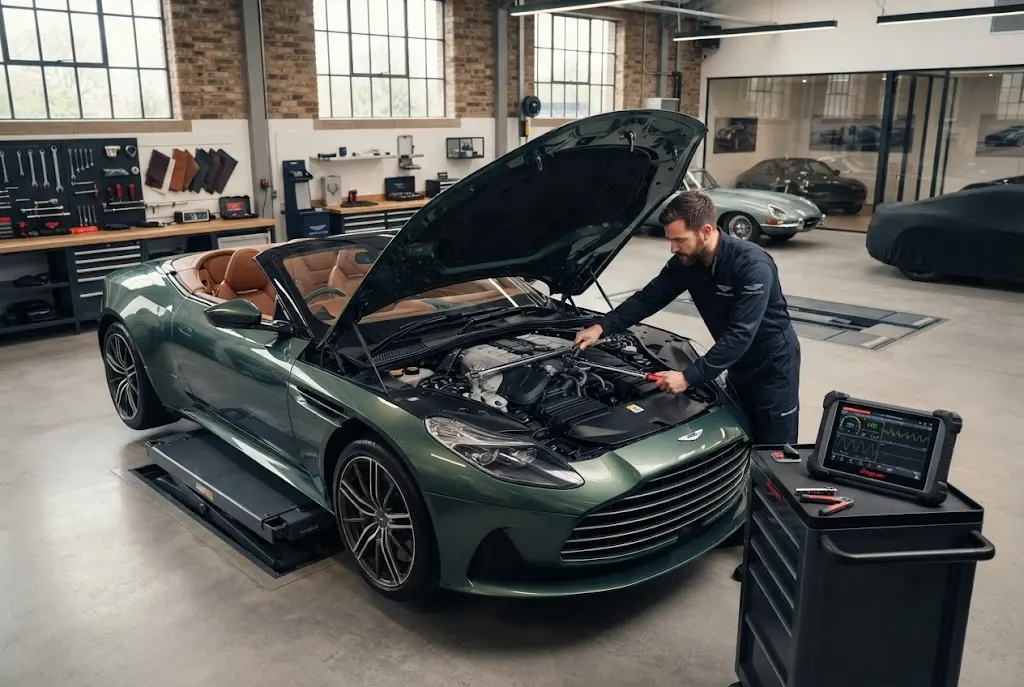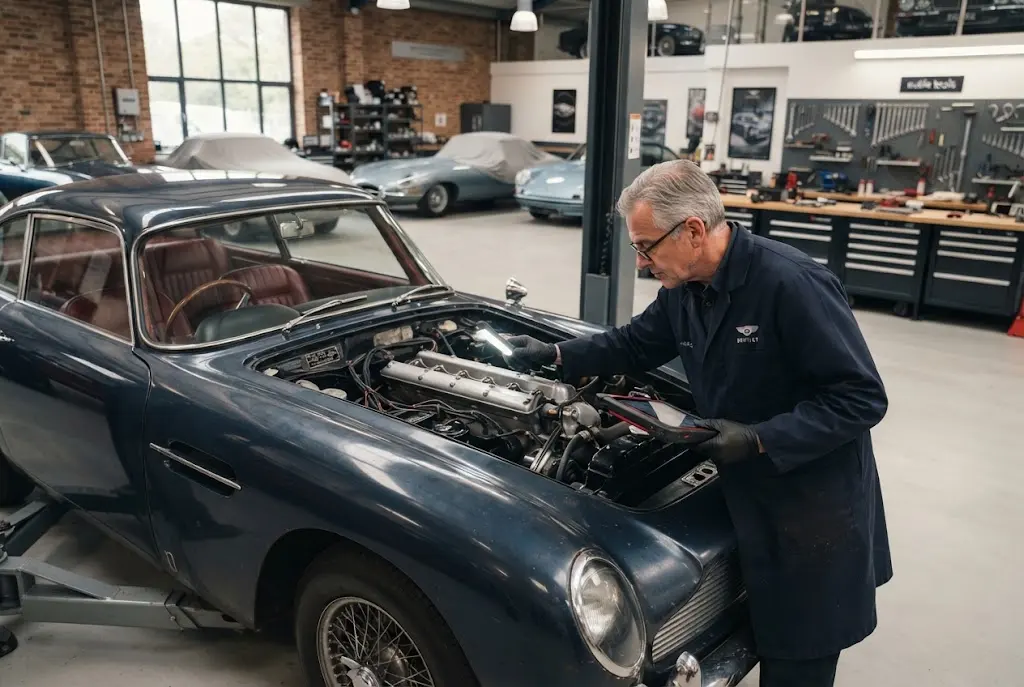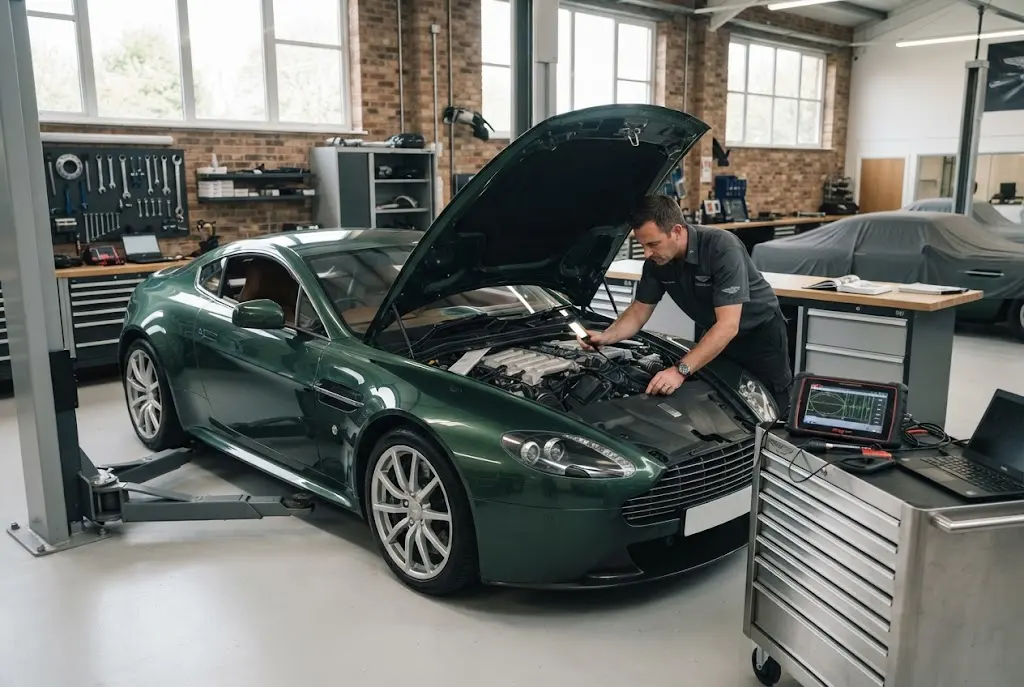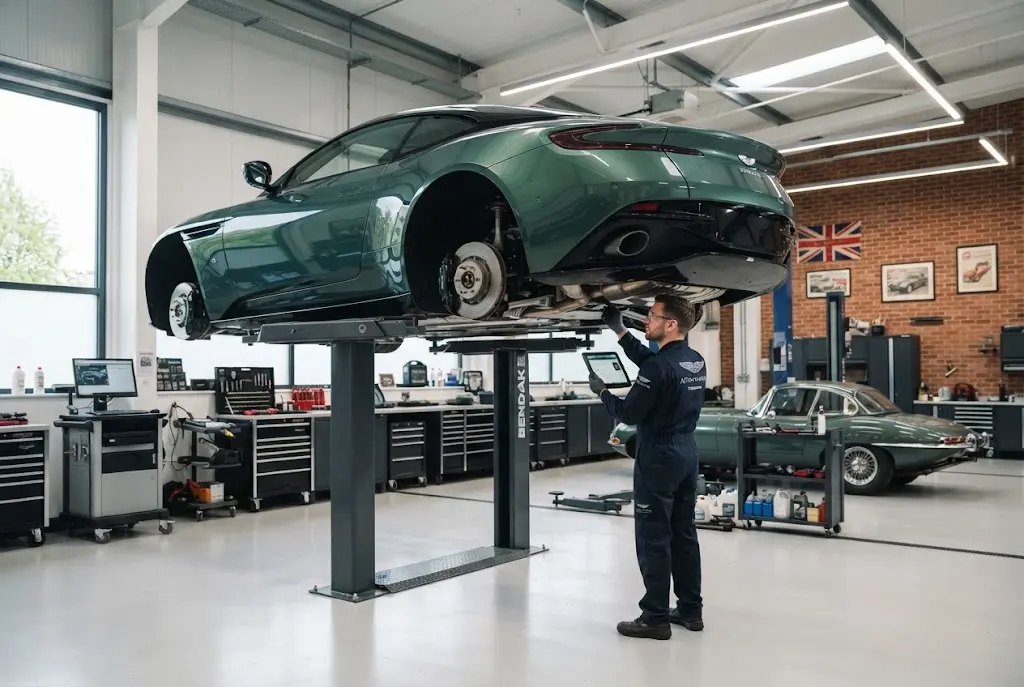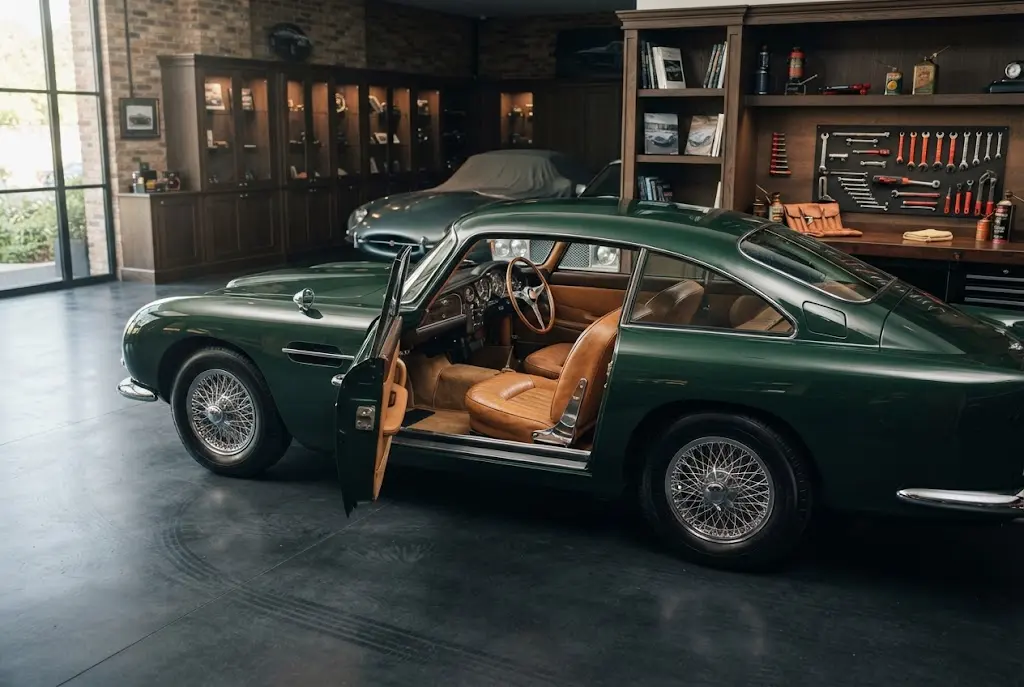

For owners of premium and luxury vehicles, MOT and service planning should be treated as two related but distinct parts of responsible vehicle ownership. An MOT checks whether a vehicle meets specific legal safety and environmental standards at the time of the test, while servicing focuses on maintaining the vehicle according to its maintenance requirements. Understanding the difference helps owners plan maintenance more effectively and avoid treating an annual MOT as a replacement for proper servicing.
Premium vehicles can have complex mechanical, electronic and safety systems that benefit from consistent maintenance. A structured approach can help owners monitor wear, maintain service records and address developing issues before they become more disruptive. It can also contribute to greater confidence when using the vehicle for everyday journeys, long-distance travel or executive transport.
Why MOT and Service Should Be Planned Separately
An MOT and a service serve different purposes. The MOT is a statutory test for eligible vehicles, while servicing is concerned with maintaining the vehicle and its components. A vehicle can pass an MOT and still require routine servicing or maintenance.
This distinction is particularly important for luxury and performance vehicles. Passing the annual test does not necessarily mean that every maintenance item is in ideal condition. Oil, filters, fluids, brakes, tyres, suspension components and other systems may still require attention according to the manufacturer’s schedule or the vehicle’s actual condition.
For official information about MOT requirements, vehicle owners can consult GOV.UK’s MOT guidance, which explains when vehicles require an MOT and what the test covers.
MOT and Service Planning for Luxury Vehicles
Effective MOT and service planning begins with understanding the vehicle manufacturer’s recommended maintenance schedule. Service intervals can differ according to the model, engine, mileage, age and driving conditions.
Owners should keep track of both time-based and mileage-based requirements. Some maintenance tasks may be recommended after a particular number of miles, while others may be associated with a period of months or years. Waiting for an MOT date alone can therefore result in important service work being overlooked.
A planned schedule also makes it easier to anticipate maintenance expenditure. Instead of treating every repair as an unexpected expense, owners can distinguish between routine servicing, consumable replacement and larger maintenance requirements.
What a Premium MOT Should and Should Not Mean
The phrase premium MOT can describe a higher level of customer service or a specialist workshop environment, but it does not mean that the statutory MOT test itself has different legal standards for luxury vehicles. The same underlying MOT requirements apply according to the vehicle and applicable UK regulations.
What can differ is the level of expertise and additional support offered around the test. A specialist workshop may be familiar with the particular systems and characteristics of premium vehicles and may offer maintenance or diagnostic services alongside the MOT.
Owners should therefore separate the official MOT test from any additional inspection, diagnostic assessment or servicing offered by a workshop. Knowing what has actually been checked makes the resulting maintenance decisions clearer.
Annual Servicing and Preventive Maintenance
Annual servicing can form an important part of a broader maintenance strategy, although the correct interval depends on the individual vehicle and manufacturer’s recommendations. Servicing may include checks and replacement of items such as engine oil, filters and other maintenance components.
For premium vehicles, the quality of the service process can matter as much as the interval. Technicians need appropriate information, equipment and experience to work correctly on increasingly sophisticated vehicles.
Owners should also pay attention to service documentation. A clear record can help establish when maintenance was performed and what work was completed. Over the long term, this creates a useful history for both the current owner and any future buyer.
Luxury Vehicle Compliance and Roadworthiness
Compliance is more than obtaining an MOT certificate. Vehicle owners remain responsible for ensuring that their cars are safe and roadworthy between tests.
Tyres, lights, brakes, steering, suspension, fluid levels and other components can deteriorate after an MOT has been completed. Regular checks therefore remain important even when the vehicle has recently passed its test.
For luxury vehicles that may cover substantial mileage or spend long periods unused, owners should consider how storage and driving patterns affect maintenance. A vehicle that is driven infrequently can still require attention because age, moisture, battery condition and other factors can influence components.
Why Specialist Workshops Can Be Useful
Prestige workshops often provide access to technicians and equipment designed for specific vehicle types or manufacturers. Specialist knowledge can be particularly useful when a vehicle has advanced electronics, performance systems or manufacturer-specific diagnostic requirements.
A specialist may also understand the maintenance expectations associated with a particular model. This can help owners distinguish between routine wear, manufacturer-recommended maintenance and issues that deserve further investigation.
However, workshop selection should be based on the vehicle’s requirements rather than the appearance of the premises alone. Owners should consider relevant experience, equipment, qualifications, transparency and the quality of documentation provided.
Combining MOT Checks With Broader Maintenance
The annual MOT can be used as one point in a wider maintenance calendar. For example, an owner might schedule servicing at the manufacturer’s recommended interval while arranging the MOT separately according to its legal due date.
This approach reduces the risk of assuming that one appointment covers everything. If an MOT identifies an issue, the owner can then discuss the required repair. If a service identifies a developing problem, that issue can be addressed even if the MOT is not due for several months.
For vehicles approaching a significant mileage milestone, owners may also want to arrange a more comprehensive assessment. This can be particularly relevant to premium vehicles where replacement parts or specialist labour may require additional planning.
Service Records and Ownership Confidence
Good documentation can support confidence throughout the ownership period. Keeping invoices, service records and relevant maintenance information provides evidence of what has been done and when.
This can become particularly valuable when a vehicle is sold. A prospective buyer may want to understand the car’s maintenance history before committing to a purchase. Consistent documentation can therefore complement the physical condition of the vehicle.
The importance of records also connects with the wider question of car service cost. When evaluating servicing expenditure, owners should consider not only the immediate invoice but also the quality of maintenance, specialist expertise and long-term ownership value.
Preparing for an MOT and Service Appointment
Before an appointment, owners can make the process more efficient by checking basic vehicle information and noting any changes since the previous visit. Warning lights, unusual noises, changes in braking behaviour, steering issues or fluid leaks should be communicated to the workshop.
Owners should also take relevant service documentation if available. This can help technicians understand previous maintenance and avoid unnecessary duplication.
If an additional repair is recommended, ask the workshop to explain the issue, its urgency and the likely consequences of postponing it. Separating essential repairs from preventative recommendations can make maintenance decisions easier to manage.
Supporting Long-Term Premium Ownership
Responsible maintenance is an ongoing process rather than an annual event. An MOT provides an important statutory checkpoint, but regular servicing and sensible vehicle checks remain essential throughout the year.
This becomes even more relevant for owners who intend to keep a luxury vehicle for many years. Preventive maintenance can help preserve the vehicle’s condition while providing a clearer picture of future maintenance requirements.
For collectors and owners considering a premium vehicle before purchase, a professional auto inspection service can provide another layer of due diligence. An inspection can help assess the vehicle’s condition before ownership begins, while ongoing servicing supports its condition afterwards.
Building a Better Premium Maintenance Routine
A practical MOT and service strategy should combine statutory compliance with manufacturer-recommended maintenance and sensible condition checks. Owners should know when the MOT is due, understand the vehicle’s servicing schedule and keep accurate records of completed work.
Premium vehicle ownership can involve higher maintenance expectations, but those expectations become easier to manage when servicing is planned rather than reactive. A suitable specialist workshop can provide expertise, diagnostic support and maintenance advice while helping owners understand the condition of their vehicles.
Ultimately, the MOT is one important part of responsible vehicle care, not the entire maintenance strategy. Combining compliance with appropriate servicing, documentation and specialist attention can support a more consistent ownership experience and help owners remain confident in the condition of their vehicles.
These principles also form part of the wider discussion around luxury automotive services, where specialist knowledge, maintenance standards and customer experience increasingly intersect.