
Owning a heritage or classic vehicle involves more than keeping it clean and roadworthy. These cars often have distinctive engineering, ageing components, original materials and a history that makes preservation part of the ownership experience. Effective vehicle maintenance can help protect that character while keeping the car safe, usable and mechanically dependable.
Classic cars also present different maintenance considerations from modern vehicles. Parts may be less readily available, older mechanical systems can require specialist knowledge, and an apparently minor deterioration can become more difficult to address if it is ignored. A thoughtful maintenance programme therefore focuses on prevention, careful inspection and appropriate restoration rather than simply reacting when something fails.
Why Vehicle Maintenance Matters for Heritage Vehicles
Vehicle maintenance is particularly important for heritage vehicles because age itself can affect components even when a car is driven relatively little. Rubber parts, seals, hoses, batteries, fluids, electrical connections, tyres and other components can deteriorate through time as well as through mileage.
Regular inspections give owners an opportunity to identify these changes before they develop into larger problems. Maintenance can also help preserve the mechanical originality and driving characteristics that make a classic vehicle valuable to its owner.
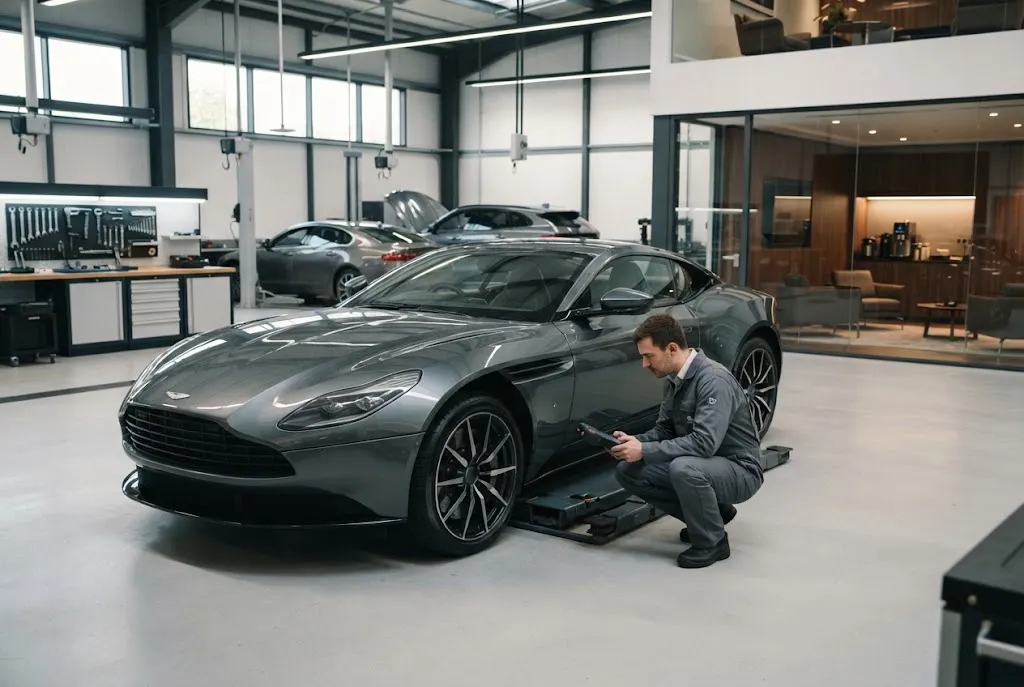
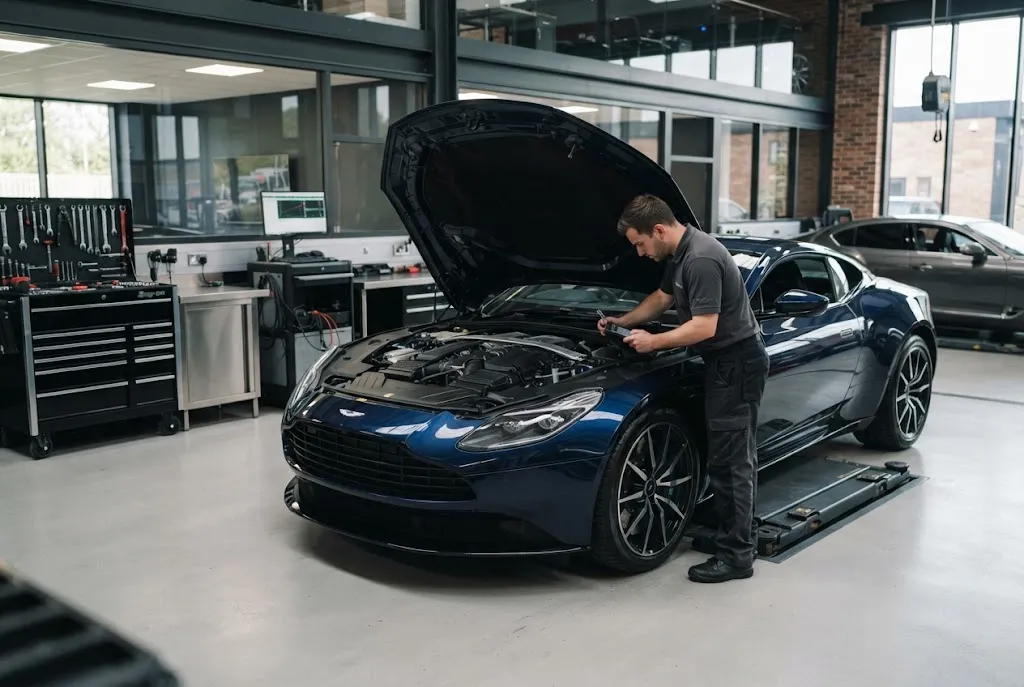
For more modern prestige cars, maintenance often involves advanced electronics and computerised systems. Heritage vehicles may instead rely heavily on mechanical components, older electrical systems and specialist adjustment procedures. The maintenance approach should therefore reflect the vehicle’s age, construction and history.
Understanding Classic Car Maintenance
Classic car maintenance should begin with a clear understanding of the vehicle’s current condition. Before establishing a long-term maintenance schedule, an owner may need a comprehensive inspection covering the engine, transmission, suspension, braking system, steering, electrical components, bodywork and interior.
The inspection can help separate routine maintenance from issues that require immediate attention. It can also establish a useful baseline for future servicing.
Depending on the vehicle, maintenance may involve:
- Checking engine fluids and lubrication systems
- Inspecting cooling and fuel systems
- Examining belts, hoses, seals and other ageing components
- Checking brakes and suspension components
- Inspecting tyres for age, condition and suitability
- Testing the battery and electrical connections
- Looking for corrosion or deterioration
- Checking steering and wheel-related components
- Inspecting the vehicle’s underside and chassis areas
- Maintaining appropriate service documentation
The exact requirements vary considerably between vehicles. A historic sports car, an older luxury saloon and a restored classic may each require different maintenance priorities.
Preservation Versus Restoration
One of the most important decisions for a collector car owner is determining whether the goal is preservation or restoration. These approaches are related, but they are not identical.
Preservation generally focuses on protecting the existing vehicle and slowing further deterioration. Where appropriate, original components, finishes and materials may be retained rather than replaced simply because they show signs of age.
Restoration, by contrast, can involve repairing or replacing components to return the vehicle to a particular condition or specification. The desired outcome should be agreed before significant work begins because unnecessary replacement can potentially remove original features that contribute to the vehicle’s character.
UK government guidance recognises restoration as a process that can return a vehicle towards its manufacturer’s specification. Owners undertaking substantial work should also check whether particular repairs or structural changes create any vehicle registration or notification requirements. GOV.UK guidance on vehicle repairs and restorations provides information on relevant requirements.
Planning Restoration Carefully
Restoration planning should take place before major work begins. A detailed assessment can help establish which areas require immediate repair, which components can be preserved and which improvements might be appropriate for reliability or usability.
Owners may want to document the vehicle’s current condition with photographs and service records. Keeping information about previous repairs, replacement components and known faults can also help technicians understand the car’s history.
A sensible restoration plan should consider the intended use of the vehicle. A car displayed primarily at events may have different priorities from one driven regularly on public roads. Similarly, a vehicle being preserved for originality may require different decisions from one being restored for comfortable modern use.
Looking After Collector Cars
Collector cars can spend long periods parked, but inactivity does not eliminate maintenance requirements. In some cases, extended storage can create its own challenges.
Storage conditions matter. Excessive moisture, temperature fluctuations, poor ventilation and unsuitable coverings can contribute to deterioration. Owners should consider an appropriate storage environment and inspect the vehicle periodically rather than assuming that a stationary car requires no attention.
Tyres, battery condition, fluid systems and signs of moisture or corrosion deserve particular attention during periods of limited use. The maintenance routine should also reflect whether the vehicle is being stored temporarily, seasonally or for an extended period.
Protecting Vehicle Longevity
Vehicle longevity depends on many factors, including how a car is driven, stored, maintained and repaired. For an older vehicle, addressing small problems early can be especially valuable because deterioration may affect surrounding components.
For example, a minor fluid leak may eventually affect nearby components or contribute to corrosion. A worn suspension component can influence handling and place additional stress on connected parts. Electrical problems can also become more complicated when ageing wiring and connectors are involved.
Routine inspections provide an opportunity to identify these issues while they remain manageable. However, owners should avoid unnecessary intervention simply because a component is old. Specialist assessment can help determine whether a part should be repaired, monitored or replaced.
Choosing Specialist Technicians for Heritage Vehicles
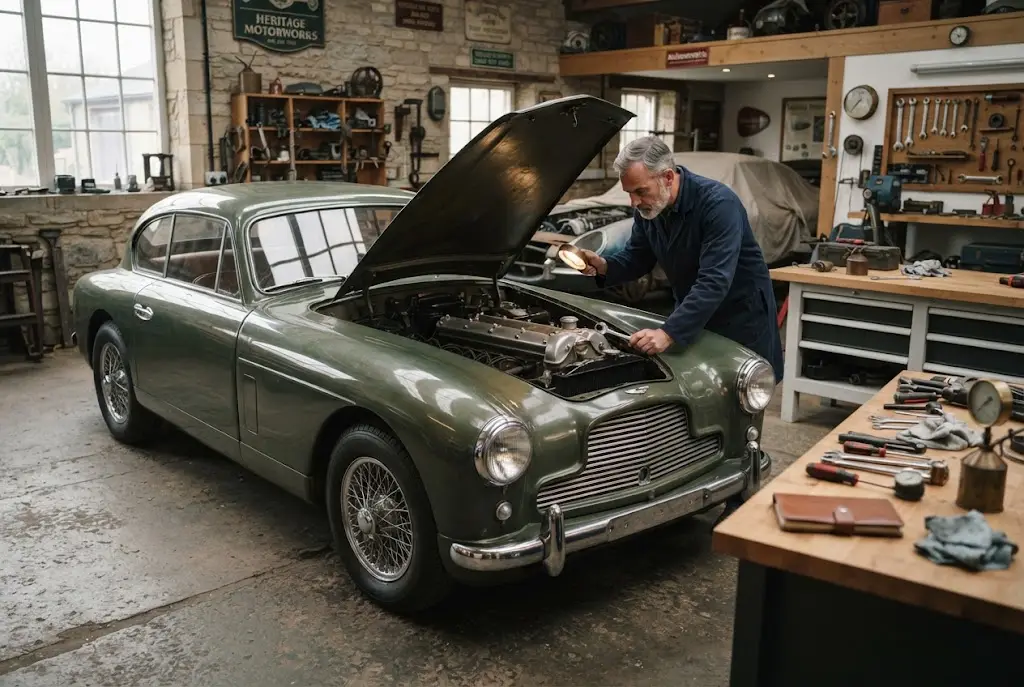
Heritage vehicles can benefit from technicians who understand older automotive systems and the importance of preserving original characteristics. Experience can be particularly useful when dealing with uncommon components, older electrical systems, mechanical fuel systems or period-specific construction methods.
When selecting a workshop, owners should ask about experience with the relevant vehicle type and the kind of work required. A workshop experienced in modern prestige cars may have excellent diagnostic capabilities but may not necessarily have the same experience with a decades-old mechanical system.
For complex work, it can also be useful to establish whether the workshop can source suitable components, work with specialist suppliers or repair existing parts when replacement is undesirable.
Premium Care Should Protect the Ownership Legacy
For many owners, a heritage vehicle represents an ownership legacy rather than simply another form of transport. The car may have personal history, rarity, distinctive craftsmanship or cultural significance.
That makes premium care about more than mechanical reliability. Owners may also want to preserve original trim, paintwork, fittings and other details that contribute to the vehicle’s identity.
This philosophy connects with broader auto repair services, where precision and careful workmanship are important when working on high-value vehicles. The same principle applies to heritage cars, although preservation considerations may play a much larger role.
Maintenance Records Are Part of Preservation
Good documentation can become increasingly valuable as a heritage vehicle ages. Service invoices, inspection reports, restoration photographs and records of replaced components can create a useful history of the vehicle.
Detailed records can help future technicians understand previous work and may also provide useful information to future owners. For vehicles with significant restoration histories, documenting what was changed and why can be particularly helpful.
Owners should therefore consider maintenance records part of the wider preservation process rather than treating them as paperwork with no long-term value.
Creating a Practical Maintenance Schedule
There is no single maintenance schedule that suits every classic vehicle. A sensible plan should reflect the manufacturer’s recommendations where available, the vehicle’s age, current condition, mileage, storage arrangements and frequency of use.
A practical programme can include regular visual inspections, scheduled servicing, checks before longer journeys and additional inspections after periods of storage. Any warning signs such as unusual noises, fluid leaks, changes in handling or electrical faults should be investigated rather than ignored.
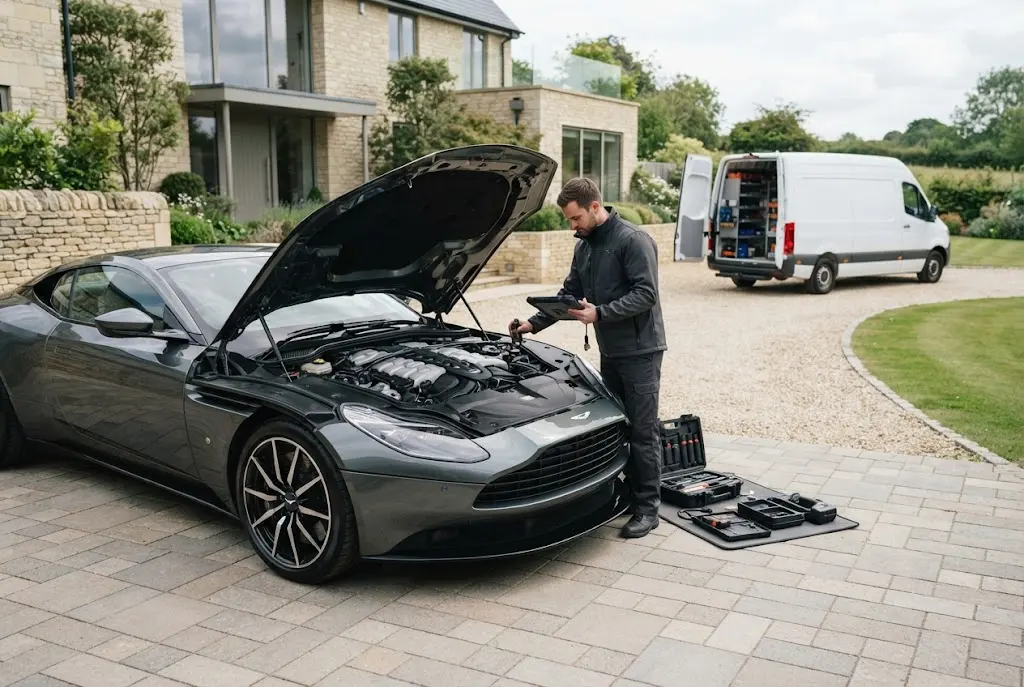
Owners can also integrate specialist inspections into their broader auto service garage relationship, particularly when a vehicle requires specialist equipment or workshop facilities.
Preserving Heritage While Keeping the Car Usable
Preservation does not necessarily mean keeping a vehicle permanently off the road. Many owners want to enjoy their cars while protecting their condition for the future.
The key is to understand how use affects maintenance requirements. Regular driving can reveal mechanical issues and keep certain systems operating, but demanding use may increase wear. Long periods without use can create different problems.
A balanced approach involves understanding the vehicle’s limitations, maintaining it appropriately and addressing emerging issues before they become major repairs. For owners who value both usability and preservation, careful planning can help achieve a practical middle ground.
Final Thoughts on Vehicle Maintenance for Classic Cars
Vehicle maintenance is an essential part of responsible heritage and classic car ownership. These vehicles deserve a considered approach because their age, engineering, materials and history can make their requirements very different from those of a modern car.
Regular inspections, careful restoration planning, appropriate storage and experienced workmanship can all contribute to long-term preservation. Just as importantly, owners should understand what they want to preserve before authorising major work.
Whether a vehicle is a treasured classic, a rare collector car or a family-owned piece of automotive history, thoughtful maintenance can help protect its mechanical condition and distinctive character. The objective is not simply to keep an old car running, but to care for its history while giving it the best opportunity for a long and rewarding future.